
Pulling off a sales win when everyone else is struggling is no small feat. Fresh shipment numbers are in for the first half of 2026, and Samsung just reclaimed the top spot in the global smartphone market. What makes this comeback interesting is that Samsung pulled it off while repeatedly raising device prices in an industry that is actually shrinking.
Counterpoint Research reports that Samsung took a 22% global market share in H1 2026, edging out Apple’s 21%. Looking closely at Q2, Samsung hit a 23% share worldwide. A huge driver here was North America, where Samsung jumped from a 26% shipment share in Q1 to 30% in Q2.
Outgrowing the market while budget brands take a hit
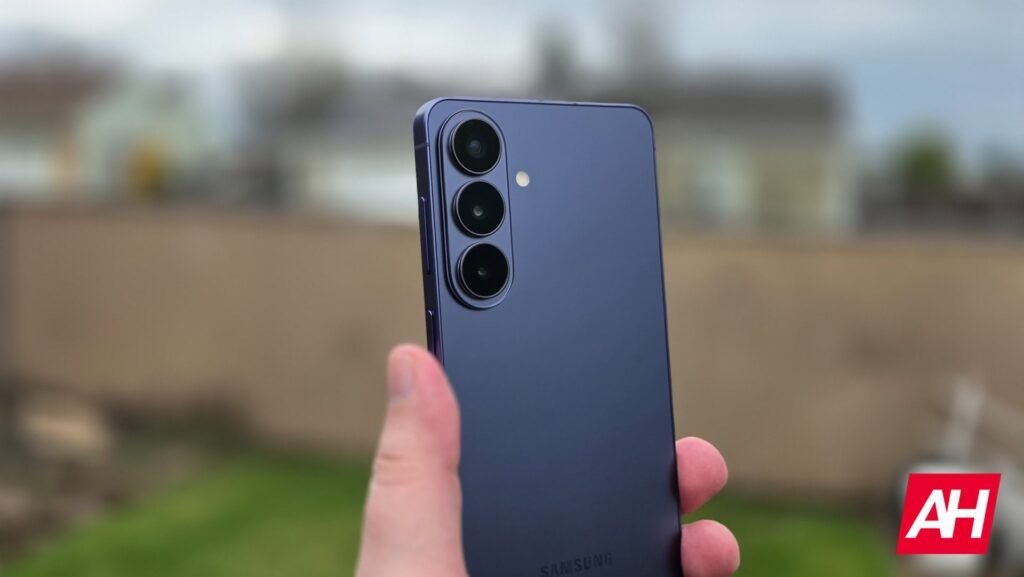
The overall backdrop for these numbers was brutal. Memory shortages and skyrocketing component costs dragged global smartphone shipments down by 7% in Q2 2026. Yet, Samsung managed to grow its own shipments by 9% year-over-year during that same period. Strong momentum from the flagship Galaxy S26 lineup gave the brand enough breathing room to absorb those rising costs, with early buzz for the Galaxy Z Fold 8 setting up a solid second half.
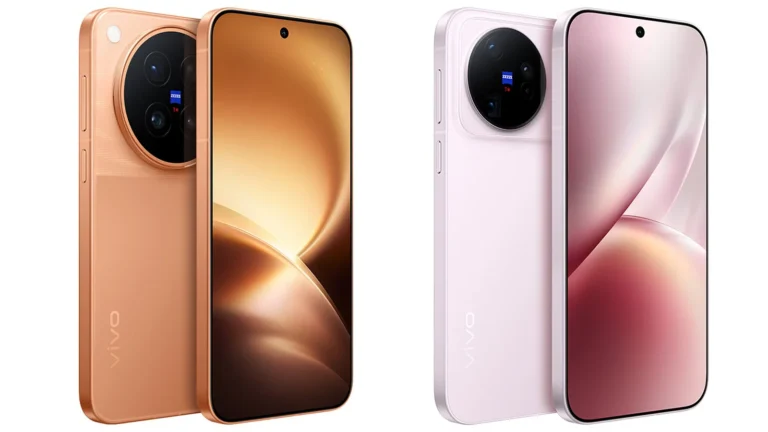
The rest of the market tells a much messier story. Apple held steady in second place thanks to solid iPhone 17 demand, but brands relying on cheap phones got hit hard. Xiaomi stayed in third with an 11% share, but its shipments cratered by 26% year-over-year as memory costs wrecked margins on budget hardware. Oppo and Vivo rounded out the top five with 10% and 8% shares.
People are spending more, but buying fewer phones
This whole shift points to a big change in how people buy phones now. A separate forecast from Omdia projects that total global shipments will drop by 12% in 2026 (Counterpoint estimates an even bigger 14.3% dip), landing around 1.097 billion units. But here’s the twist: total market value is actually expected to jump 12% to $651.6 billion because the average selling price is climbing toward $594.
Cheap, sub-$200 phones are disappearing fast. Omdia notes that sub-$200 devices made up 40.6% of all shipments in 2025, but that number will sink to 25.6% by 2027. Meanwhile, phones costing $800 or more are set to grab 28.4% of the market. With brands now promising up to seven years of software updates, buyers figure it makes more sense to pay extra for a reliable flagship that lasts, rather than replacing a laggy budget phone every year.
The post Samsung Outpaces Apple to Secure the Top Spot in H1 2026 Despite Market Downturn appeared first on Android Headlines.