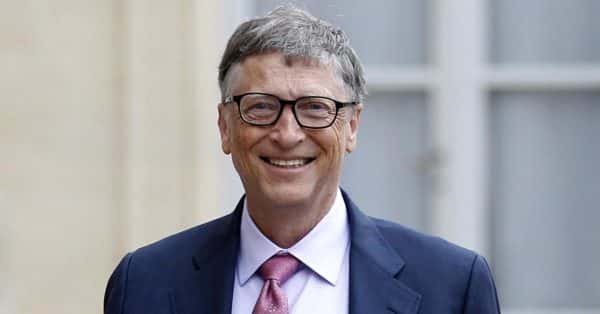

Microsoft co-founder Bill Gates is issuing a stark warning about the rapid growth of artificial intelligence, saying the technology could quickly become “the worst source of injustice” if not kept in check. In a detailed essay published on his personal website and a recent interview with The New York Times, the tech pioneer admitted his view on the technology has shifted dramatically from early optimism to deep anxiety.
Driven by recent breakthroughs in AI coding tools like Anthropic’s Claude Code and conversation models that surpass human abilities, Bill Gates warns AI risks overwhelming societal infrastructure. He argues that the world is completely unprepared for the speed of this transition. He predicts this will mark one of the most turbulent periods in human history.
Calling out Silicon Valley’s silence
Gates did not hold back when addressing how the tech industry is handling these emerging dangers. He alleged that leaders of big AI companies understand the potential risks of the technology. This ranges from catastrophic job loss to automated production of bioweapons. But Gates says these companies would rather keep quiet in public, in the hope of not jeopardizing incoming investments and soaring valuations.
Unlike past technological shifts that eventually created more jobs than they eliminated, Gates believes AI will replace human cognition across both white-collar and blue-collar industries simultaneously. Because AI spreads across every sector at once, displaced workers will have few safe havens to turn to.
Proposed solutions: Token taxes and “Human Reserved” jobs
To cushion the blow on the global workforce, Gates outlined several direct policy ideas. He proposed taxing basic units of AI computation (tokens) and physical workplace robots, which would raise the cost of replacing human staff and provide funds to retrain workers.
Gates also advocated for the creation of “Human Reserved” domains. This means clear bans on AI taking over roles that are deeply personal to humans like mental health professionals, primary caregivers or doctors delivering sensitive medical diagnoses. To handle systemic threats that cross borders, such as bioweapon synthesis, he urged world leaders to build a dedicated international oversight agency inspired by global nuclear and aviation agreements.
Debating the feasibility of AI taxes
Many experts agree with Gates’ diagnosis of the problem. But some wonder if his suggested remedies are practical. In an interview with ABC News, Oren Etzioni, a computer science professor, compared taxing AI tokens to “taxing keystrokes on a typewriter.”
Etzioni warned that imposing taxes on the use of AI by Americans would just encourage companies to use foreign models, giving foreign competitors an edge. Instead, experts suggest working within existing federal agencies to implement better policy, rather than creating new bureaucracies.
Despite the debate over specifics, Gates emphasized that waiting around for self-regulation is a mistake. As he steps back into the public policy spotlight, the billionaire pledged to raise AI equity and regulation in every upcoming meeting with Washington lawmakers and global heads of state.
The post Bill Gates Warns AI Could Become the Worst Source of Injustice if Unchecked appeared first on Android Headlines.