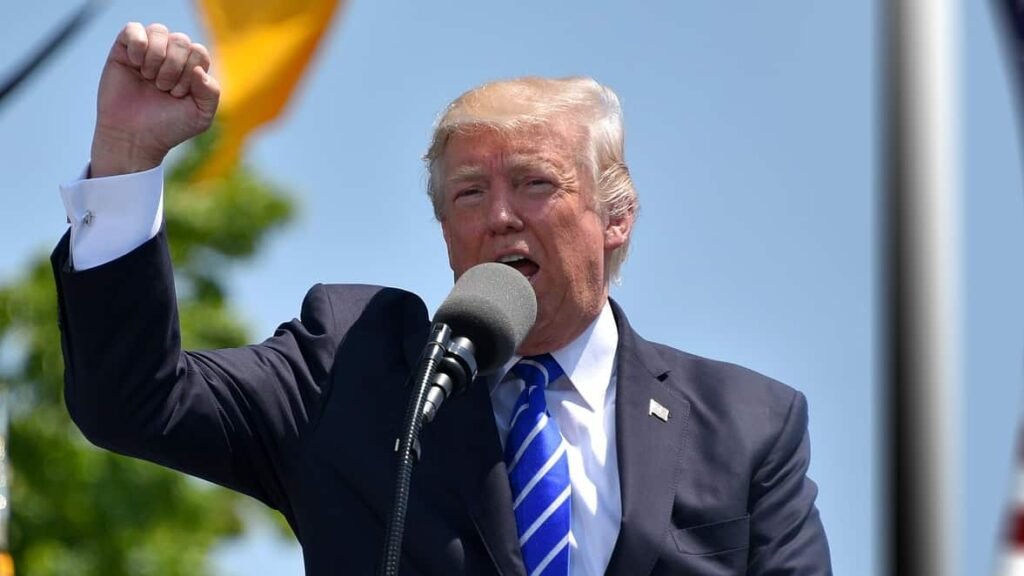

A major shift in federal artificial intelligence oversight hit a sudden speed bump this week. President Donald Trump delayed a scheduled White House signing ceremony for a highly anticipated executive order aimed at regulating advanced AI models. Addressing reporters in the Oval Office, Trump made it clear that he was not comfortable with the current draft of the document, expressing concern that the proposed rules could inadvertently slow down American innovation.
Trump halts AI security executive order to keep the US ahead of China
The core goal of the delayed executive order is to establish a framework allowing the U.S. government to evaluate powerful AI models for security vulnerabilities before they hit the market. This initiative comes in response to growing anxieties within Washington regarding next-generation systems, such as Anthropic’s Mythos and OpenAI’s GPT-5.5 Cyber. Experts note these models have advanced capabilities in identifying coding and software flaws.
According to reports, one of the primary sticking points in the draft involved a mandatory review window. This required tech firms to share their advanced models with federal agencies between 14 and 90 days prior to public launch. Industry advocates have raised concerns that such waiting periods could hurt profits and disrupt product rollouts. Trump echoed these anxieties, stating that he worried the language today “could have been a blocker” in the global tech race. “We’re leading China, we’re leading everybody,” Trump told the press pool, “and I don’t want to do anything that’s going to get in the way of that lead.”
Rumors of industry influence
The sudden cancellation of the signing event quickly triggered speculation regarding behind-the-scenes lobbying from Silicon Valley power players. Some reports suggest tech leaders, including Meta CEO Mark Zuckerberg, venture capitalist David Sacks, and xAI founder Elon Musk, were pushing for the order pause.
Musk, however, publicly denied those claims. Responding to the reports on X (formerly Twitter), Musk stated that the rumors were false. He stated that he was not aware of the specific contents of the executive order and only spoke with the president after the decision to decline the signing had already been made.
What comes next for AI safety
While the sweeping executive order is temporarily on ice, the administration has not abandoned AI oversight entirely. Earlier this month, the federal Center for AI Standards and Innovation secured voluntary agreements with major players to allow pre-release model evaluations. The list of big tech names includes Google DeepMind, Microsoft, and xAI.
Additionally, the broader goal of the administration includes using advanced commercial AI models to fortify the cybersecurity defenses of critical infrastructure, such as hospitals and banking networks. For now, the White House is sending the text back for revisions, looking for a middle ground that protects national security without putting the brakes on America’s AI leading.
The post Trump Delays AI Security Executive Order to Maintain Tech Lead Over China appeared first on Android Headlines.