The New CEO Has One Goal
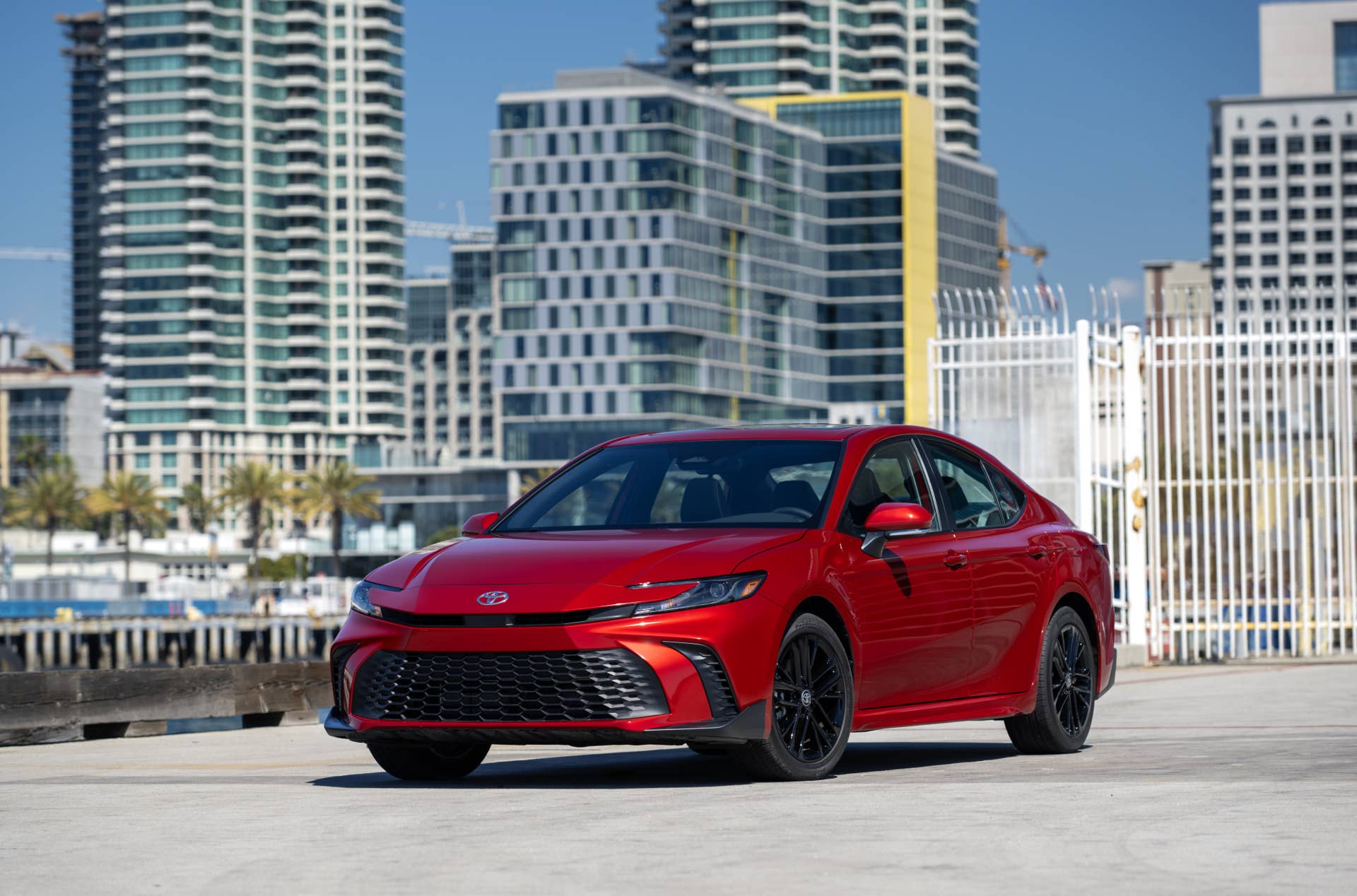
For the last couple of years, Toyota has made some pretty epic performance cars. But as cool as these are, these aren’t the money-makers. And while passion projects are great, Toyota needs fatter profits to keep funding its operations, and yes, to finance the development of even more specialty models.
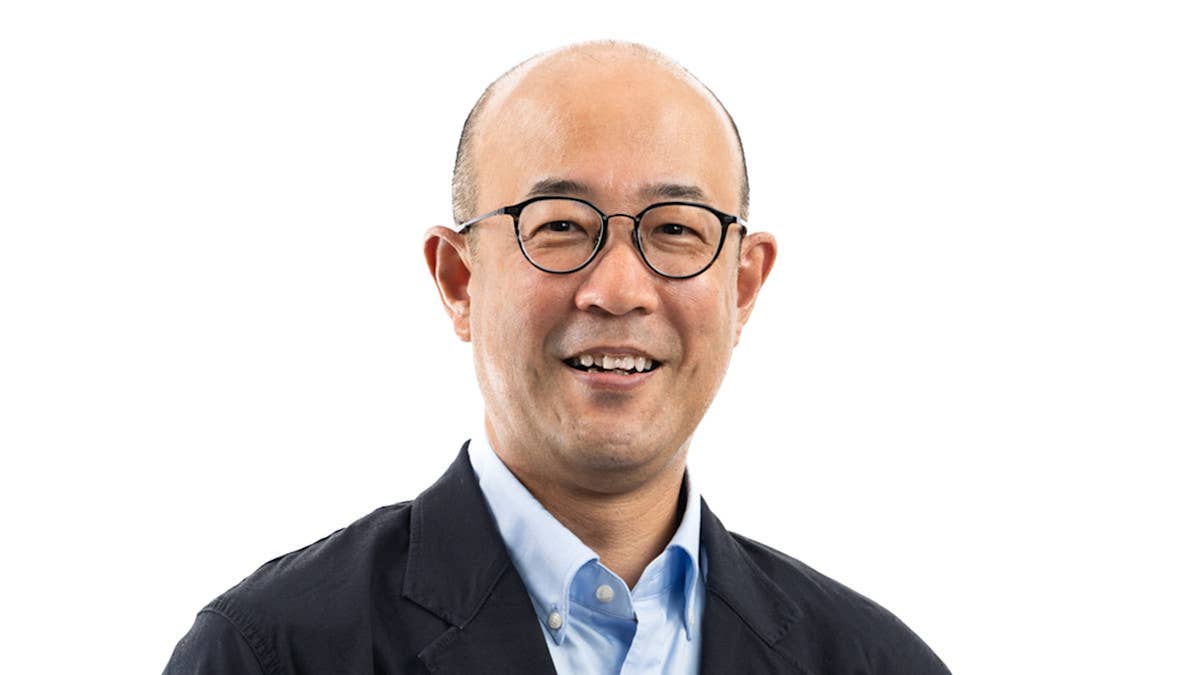
Kenta Kon, Toyota’s freshly appointed CEO, has a lot on his plate right now, and lowering costs is one of his primary goals. That’s a huge challenge given that we’ve been pretty spoiled with some properly good Toyotas lately. Sure, volume is there, but operating profits have dipped over the last two years. With rising competition from China in key markets, maximizing revenue is the way forward.
Toyota
The Breakeven Volume Metric
Millions and millions of sales will amount to nothing if the company is barely making money. That’s not to say Toyota’s broke, and it’s further away from the truth. But Kon wants to nip the profit slide in the bud as early as possible. As the saying goes, prevention is better than cure, and the CEO’s planned cost-discipline measures will be key.
Speaking to Automotive News, Kon said, “We’re not thinking the lower the breakeven volume, the better. There will be a certain level that allows us to keep operating suppliers even in very difficult situations.” In other words, the cost-cutting exercises won’t just be putting in cheaper materials. Instead, it’s enhancing the value chain by streamlining costs where possible. After all, many jobs are on the line if Toyota decides to cut off one or several of its suppliers.
The publication reports that Toyota’s breakeven threshold has been rising over the past two years. With China offering tempting value propositions to consumers, the world’s biggest automaker doesn’t need to compete there right now.

Toyota
Cutting Costs Where it Counts
Rest assured, your next Toyota will not come with a hard plastic interior or deleted features. Toyota wants to avoid that, because decontenting a car is very noticeable. Instead, it cuts costs in areas the customer doesn’t see but still gets the same benefits.
For instance, some seats use new materials, some components have fewer and simpler parts, and more. There’s also value-chain development, as well as faster development without sacrificing reliability. Obviously, it won’t be easy, but it will all depend on Kon’s direction and execution.
Shane Somers
How the Financial Crisis Shaped Kon’s Career
Kon cites the 2009 Financial Crisis as his turning point toward greater financial discipline. After all, he was executive secretary to Akio Toyoda around that time, when they both witnessed the brand’s first-ever loss. Since then, Kon’s influence on cost management has shaped Toyota’s practices, and many of us probably haven’t realized it.
Having seen the effects of not being prepared for an earth-moving crisis, Kon doesn’t want that on his watch. Right now, the world is going through huge historical moments and shifts, both economically and geopolitically. It can’t be stressed enough: China is rocking the establishment, and Toyota knows it cannot afford to rest on its laurels.
Toyota