Tough Year
The automotive industry and the broader mobility sector have had a tough 2026 after strong endings to 2025. It all started when oil prices surged after the Iran war broke out, and it has had seismic effects across the whole industry.
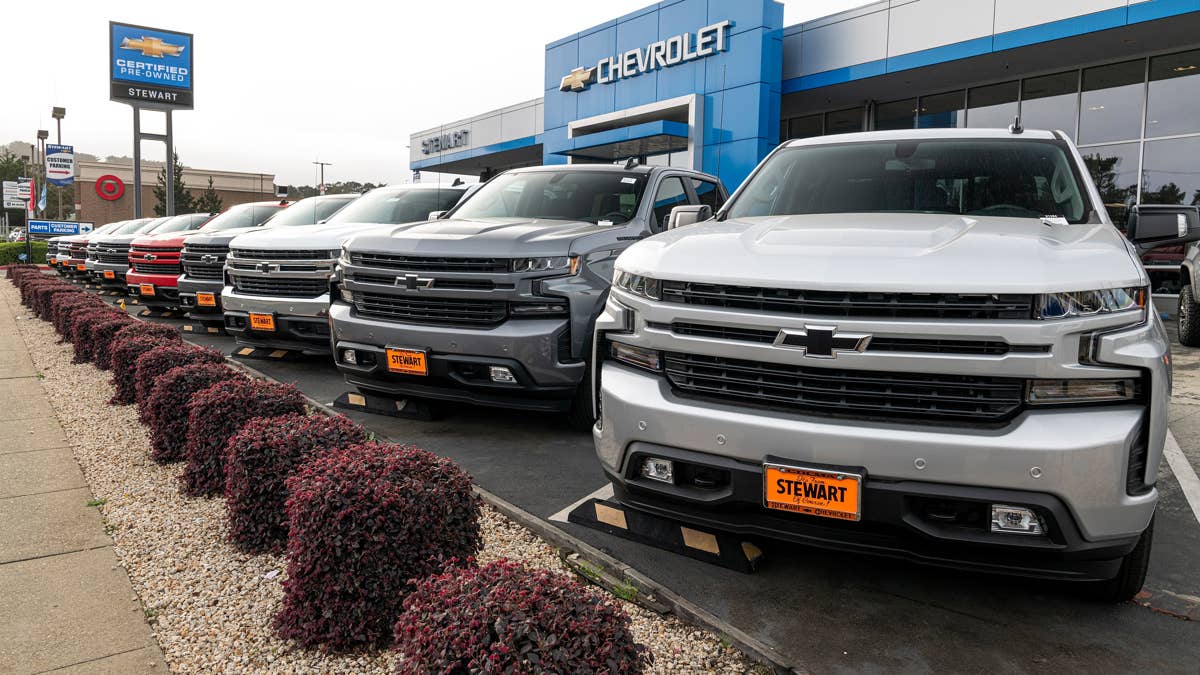
Beyond rising oil prices, car buyers now face another hurdle: new vehicle prices in the U.S. are reaching record highs.
Getty Images
Average New Car Prices Up, Discounts Down
According to a report by The Detroit Free Press, Kelly Blue Book just released data this past week that paints a bleak picture for new car buyers. The numbers show that in the U.S., new vehicle sales transactions averaged $50,089 in August, marking the first time it breached $50,000 this year; it is also 1.9% higher than a year ago.
Kelly Blue Book notes that to calculate the average price, they computed what a customer pays for a new car after accounting for the trade-in value. It does not include customer incentives offered by some automakers and dealerships. Speaking of dealerships, the average sticker price also climbed 2.2% year on year, to $51,852.
Another issue is that dealership incentives and discounts have also dropped. The same Kelley Blue Book numbers also show they offered fewer incentives last month. In August, average incentives amounted to just 6.5% of the total transaction price, down from last August’s 7.2%.
Sven Hoppe/picture alliance via Getty Images
Expert Analysis
If you’re looking to buy a new car, don’t be disheartened just yet; there may still be hope of getting good deals, but you might have to wait a little longer before buying. Ray Shefska, co-founder of CarEdge, told the Detroit Free Press that he thinks new car price increases will continue until 2027, but he thinks automakers and dealers are waiting until the year ends to offer better sales incentives. He says this will help empty the 2026 inventory, so if you’re keen to get a new car, it’s best to wait until around December.