Toyota Motor North America is calling on its extensive U.S. dealer network to help lobby lawmakers against vehicle tariffs that have squeezed profit margins and threatened vehicle affordability. At its annual dealer meeting in Las Vegas, top executives outlined the economic challenges facing the brand despite strong overall sales performance. Even after delivering over 2.1 million vehicles in 2025, ongoing trade friction caused significant financial losses in North America, highlighting the need for direct political intervention.
Dave Christ, group vice president and general manager of the Toyota Division at Toyota Motor North America, emphasized that franchise owners hold substantial political influence as major economic drivers within their local communities. With many dealers already reaching out to congressional representatives independently, Toyota aims to coordinate a unified messaging campaign explaining how duties harm local buyers. “We’re kind of in this together, and we’re going to work through things together, regardless of what happens to the economy, to the tariff situation,” Christ stated.
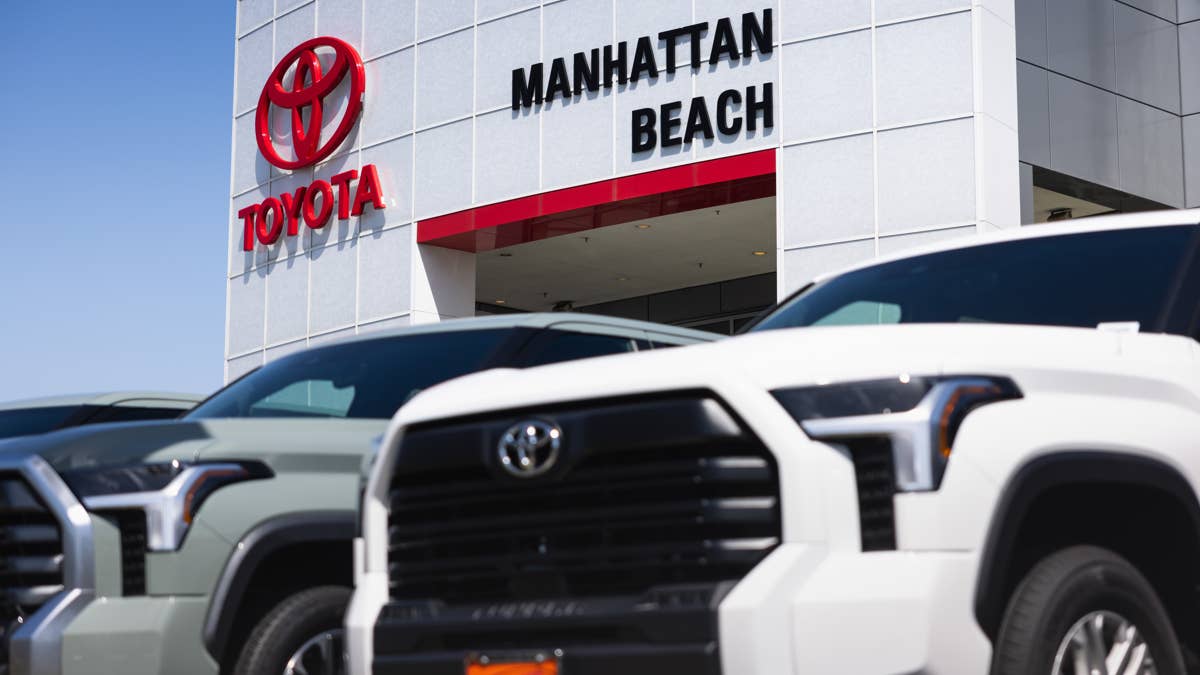
Jay L Clendenin/Getty Images
Trade Barriers Drive Up Vehicle Costs Amid Secret Product Previews
The push for legislative support comes as import duties increasingly affect showroom pricing and consumer access to popular vehicles. Ongoing supply chain complexities and rising manufacturing costs have driven broad price increases across essential sedans and hybrid lineups. Christ noted that dealers actively requested to join policymaker discussions to show how tariffs add costs passed on to everyday consumers.
Beyond domestic pricing pressures, global policy friction continues to complicate Toyota’s vehicle distribution strategies. Complex international trade dynamics and shifting agreements have even threatened a key trade deal affecting enthusiast imports like the GR Corolla. To counter these headwinds, Toyota is reinforcing its domestic manufacturing commitments, highlighted by a $3.6 billion investment to return Tacoma assembly to San Antonio.
While trade discussions dominated business agendas, product planning remained a major focal point for attending franchise owners. Executives provided confidential previews of upcoming vehicle updates, though rumors regarding a revived Celica sports coupe were officially dismissed. “We’ve got some future product that I can’t tell you about that we’re going to talk about in the business meeting, that is really good and really dialed-in for the market,” Christ told Automotive News.
Leveraging Dealership Power Serves as a Smart Policy Strategy
Mobilizing local retail networks is a pragmatic, clever strategy for an international manufacturer navigating complex Washington policy. Individual auto dealers carry immense political weight in their districts because they represent major local tax revenue and thousands of jobs. Politicians who routinely ignore corporate lobbying in national capitals pay far closer attention when hometown business leaders raise concerns about local economic survival.
If Toyota successfully mobilizes its dealership network into a cohesive political voice, it could set a major precedent for the entire automotive industry. Highlighting local economic contributions frames trade relief as necessary consumer protection. With lean inventory levels and a strong future product lineup, securing regulatory tariff relief could protect long-term vehicle affordability for consumers.
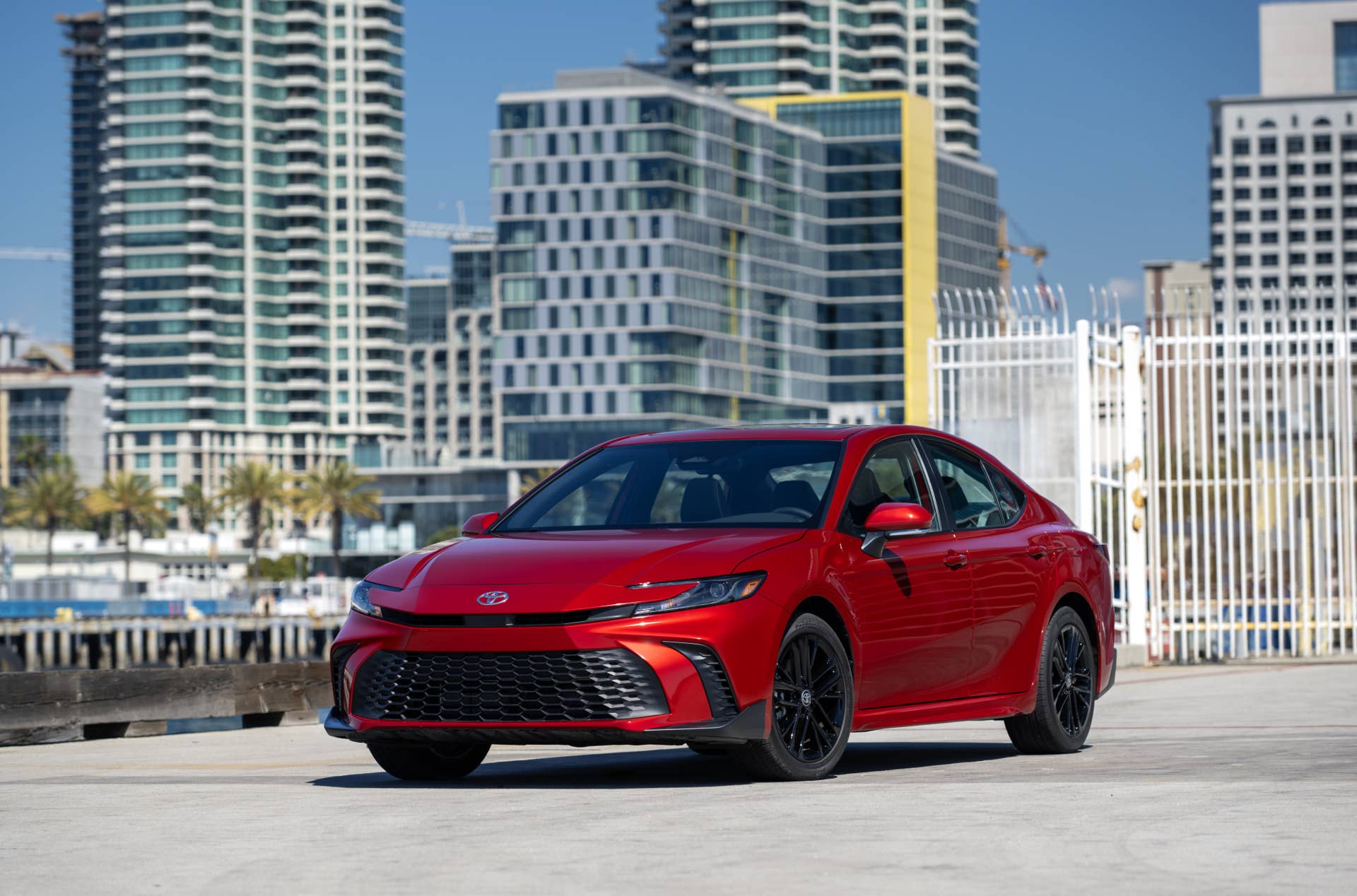
Toyota