- Trump supports Chinese automakers opening factories and hiring American workers.
- Detroit’s lobbying group says Chinese state support creates unfair competition.
- The position clashes with Washington’s recent criticism of Ford’s Chinese partnerships.
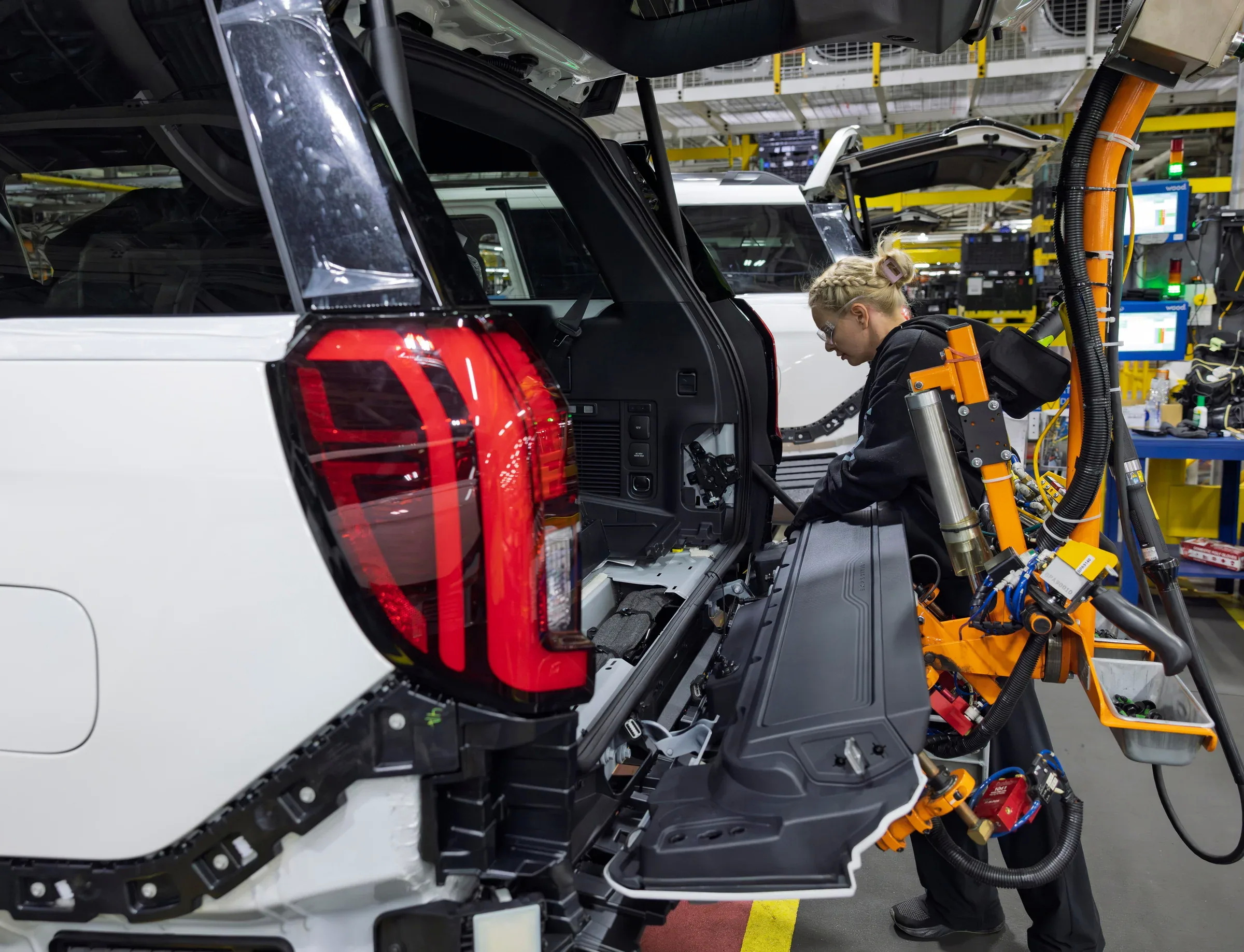
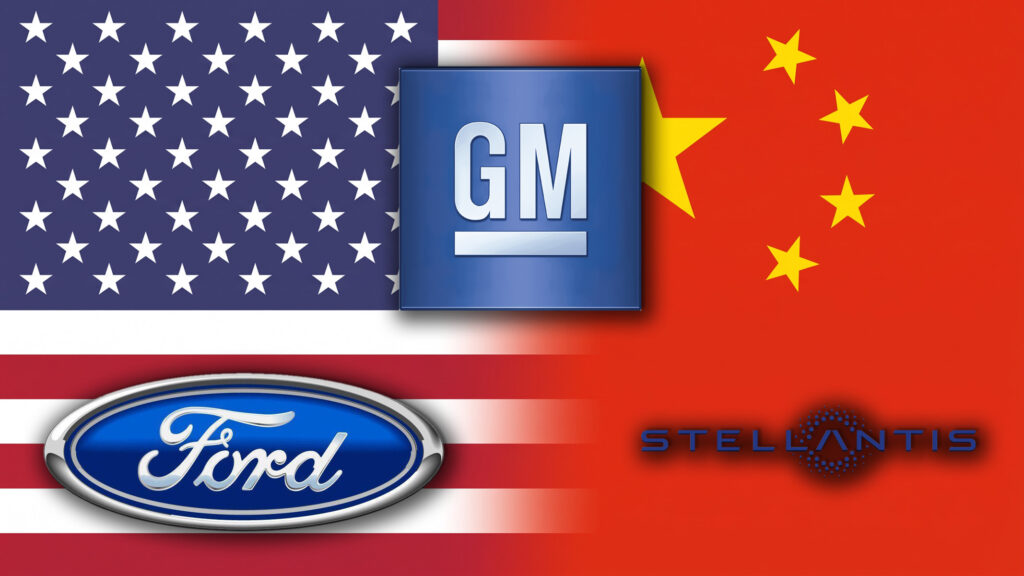
President Donald Trump says he would welcome Chinese automakers building cars in the United States, provided they employ American workers. Don’t be too shocked, but Detroit’s biggest automakers aren’t nearly as enthusiastic about the idea. General Motors, Ford, and Stellantis declined to comment individually, but their shared lobbying group warned that Chinese manufacturers could harm the domestic industry. Suddenly, “Made in America” isn’t quite enough.
“If China wanted to come in and open a plant to build their cars here, I’d be OK with that,” Trump recently said. He compared the possibility with Japanese automakers operating American factories, emphasizing that the important thing is hiring US workers. According to The Detroit Free Press, the American Automotive Policy Council, which represents the Detroit Three in Washington, argues that the comparison overlooks some important details.
Read: Trump Administration Blasts Ford For Its Business Dealings With China
Council president Matt Blunt said Chinese automakers benefit from state subsidies, currency manipulation, and other “non-market advantages.” Allowing those companies to manufacture or sell vehicles in America without addressing those advantages, he argued, would hurt domestic automakers, workers, and communities. For Detroit, all of this has to be a bit awkward. They’re now publicly opposing an administration that has largely made their lives easier.
Interestingly, it also creates an awkward contrast with Washington’s treatment of Ford specifically. Transportation Secretary Sean Duffy recently criticized the automaker for its relationships with Chinese battery giant CATL and Geely, accusing Ford of intertwining its future with state-backed Chinese enterprises. Trump, however, now appears open to those same Chinese companies establishing their own American factories.
The threat isn’t hypothetical. Chinese brands already account for a reported 20 percent of Mexico’s new-car market. Canada is preparing to admit a limited number of Chinese-built vehicles under reduced tariffs. AlixPartners expects Chinese brands to control 30 percent of the global market by 2030.
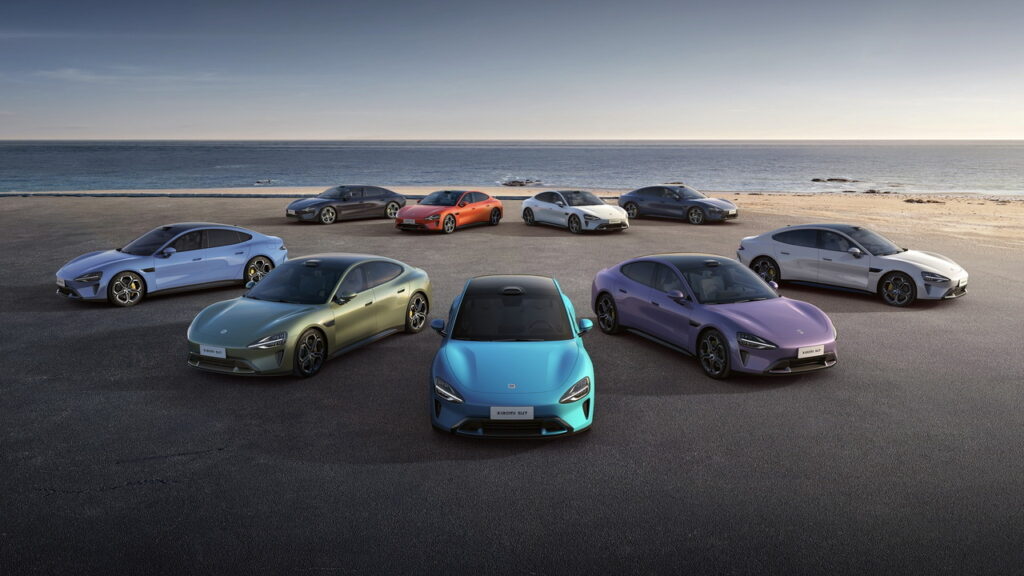
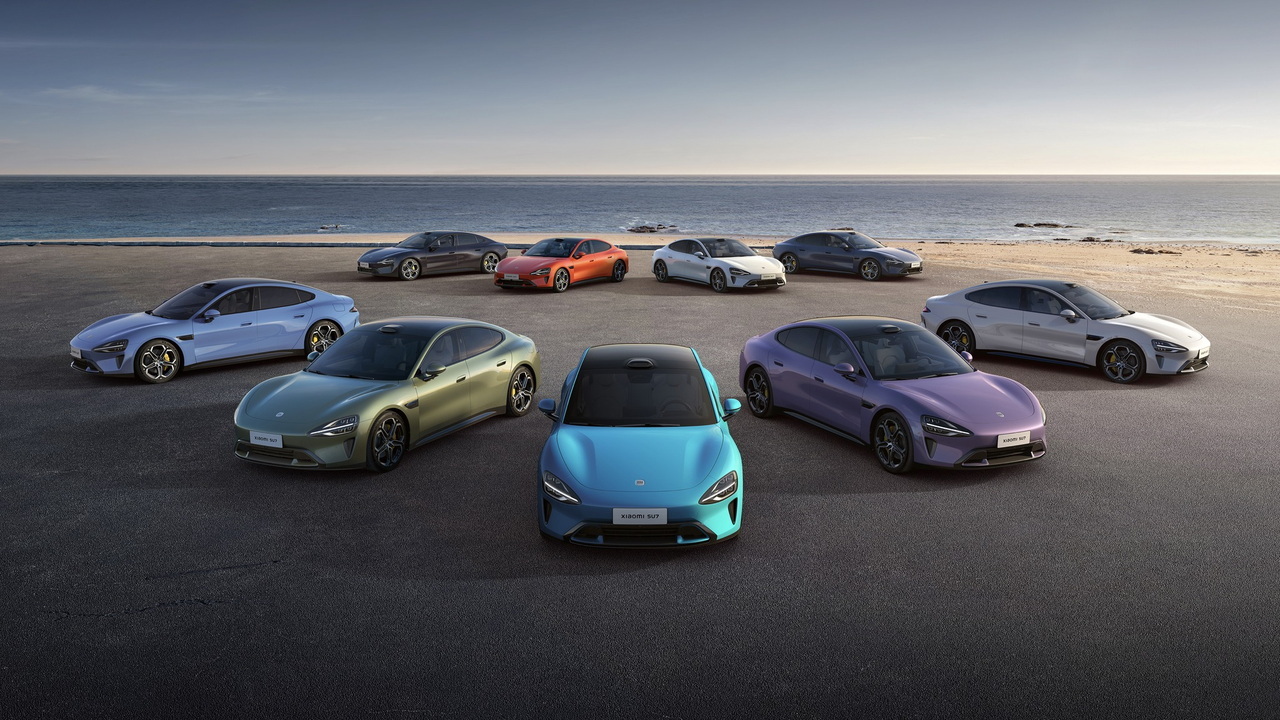
Ford CEO Jim Farley has been unusually candid about the challenge, even driving a Xiaomi SU7 for months to better understand the competition. He described the Chinese EV as high quality with an excellent digital experience. Trump’s proposal could create American factory jobs, but Detroit’s objection is straightforward.
Assembling Chinese cars in America doesn’t erase the financial and strategic advantages behind them. The real fight, then, isn’t simply over where the cars are built. It’s over whether American automakers would be competing on anything resembling level ground. Based on the pricing we see in other places, it’s easy to see why the Big Three are concerned.