
Digital gatekeeping just took a major step forward in Texas. This week, the U.S. Supreme Court declined to block a controversial state law that requires app stores to verify the ages of their users. This decision means that for now, the Texas App Store Accountability Act stays in effect while broader legal battles regarding free speech and constitutional rights continue to play out in lower courts.
What the law actually changes
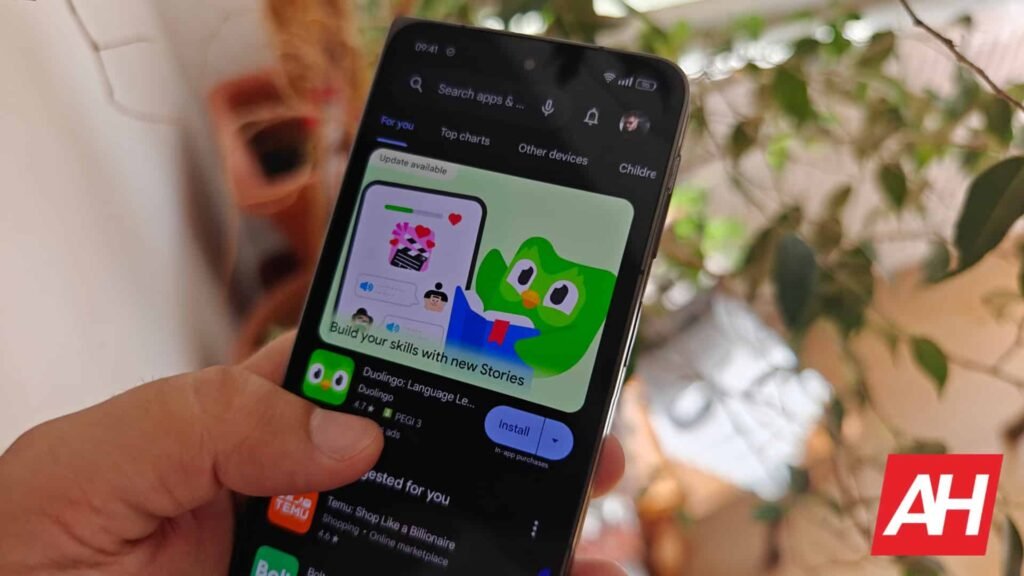
Signed by Governor Greg Abbott, Texas’ App Store Accountability Act places the burden of proof squarely on app stores and developers. Under these new rules, accounts held by anyone under 18 must link directly to a parent or guardian’s account. Before a minor can download an application or make an in-app purchase, the parent or guardian must receive a notification about the app’s age rating and provide explicit digital approval.
Proponents of the measure, led by Texas Attorney General Ken Paxton, argue that the act is a necessary shield. They contend that without these guardrails, children risk exposure to data privacy invasions, the sale of personal information, and content that is entirely inappropriate for their age group.
The free speech dilemma
However, the legal path to this point has been rocky. A coalition involving the Computer & Communications Industry Association—which represents heavy hitters like Apple and Google—alongside a student group called Students Engaged in Advancing Texas pushed hard to stop the law. Their attorneys argue that the act infringes upon First Amendment rights.
Last December, U.S. District Judge Robert Pitman originally halted the law, famously comparing it to requiring every bookstore to verify the age of every customer at the door before allowing them to browse for a book. He argued that forcing app stores to police access to such a vast amount of digital content is legally and practically problematic. But earlier this year, the 5th U.S. Circuit Court of Appeals overturned that injunction, clearing the path for the state to enforce these requirements. By refusing to intervene, the Supreme Court has effectively allowed that appellate ruling to stand for the time being.
The Android Headlines Take
While the intention to protect minors from harmful content is widely understood, the wide picture highlights a massive disconnect between state-level regulatory ambition and the realities of modern digital distribution. The method here—forcing every app store to act as an age-verification gatekeeper—is fundamentally heavy-handed. Such rigid barriers could create a scenario where access to legitimate educational, news, and productivity tools becomes unnecessarily difficult for teens. It is a classic battle of privacy versus protection, and the legal debate over how far a state can go to “police” the internet is far from over.
The post The Supreme Court Declines to Block Texas Age Verification for App Stores, Leaving Kids’ Access in Flux appeared first on Android Headlines.