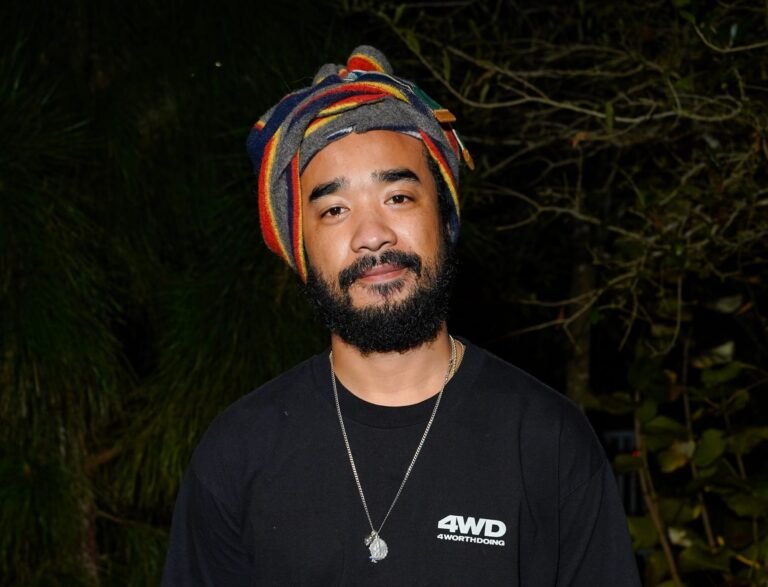
It was only two years ago, at an exhibition of the work of Xu Bing at the Asia Society Texas in Houston, that I felt my first inkling of the breadth of René Balcer’s contribution to culture. At that point, I was interested in learning everything I could about Xu’s linguistic experiments, from A Book from the Sky (1987–91) to his use of what he calls “Square Word Calligraphy” in different installations and publications. This had proven difficult, because Bing is not represented by an American gallery.
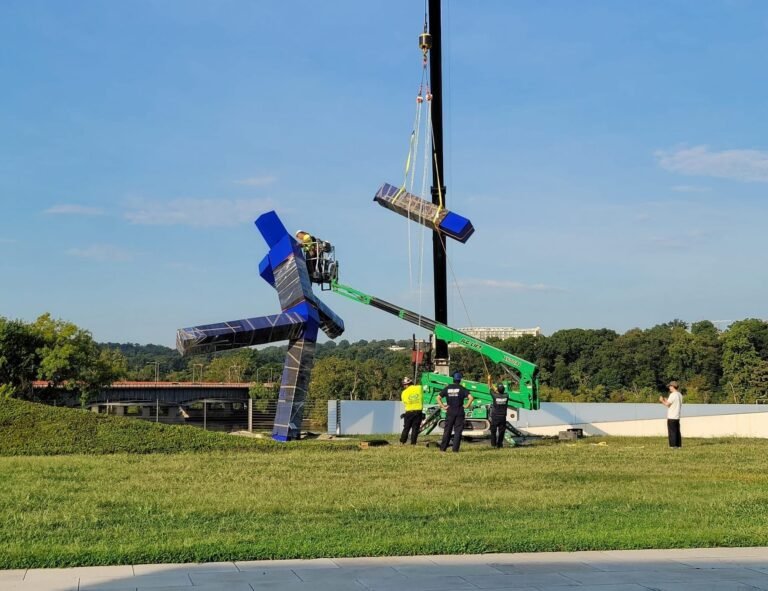
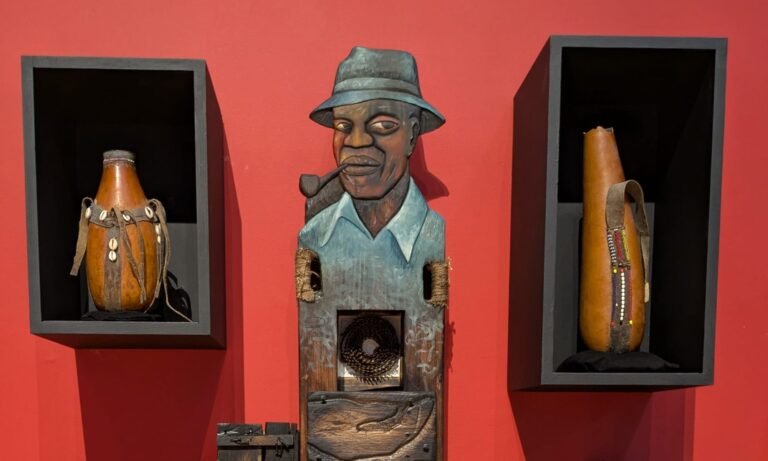
Although I knew that Balcer and his wife, Carolyn Hsu, are friends of Xu’s, and had supported major institutional exhibitions such as Xu Bing: Tobacco Project Virginia (2011) at the Virginia Museum of Fine Arts, I did not expect to see works from that project at the Asia Society Texas, and I hadn’t known that Balcer had collaborated on one of them. For “Backbone” (2011), a grid of stenciled words from brand slogans Virginia enslavers used to identify their tobacco products, Balcer composed a blues poem honoring the enslaved Black women who picked the plant by hand.
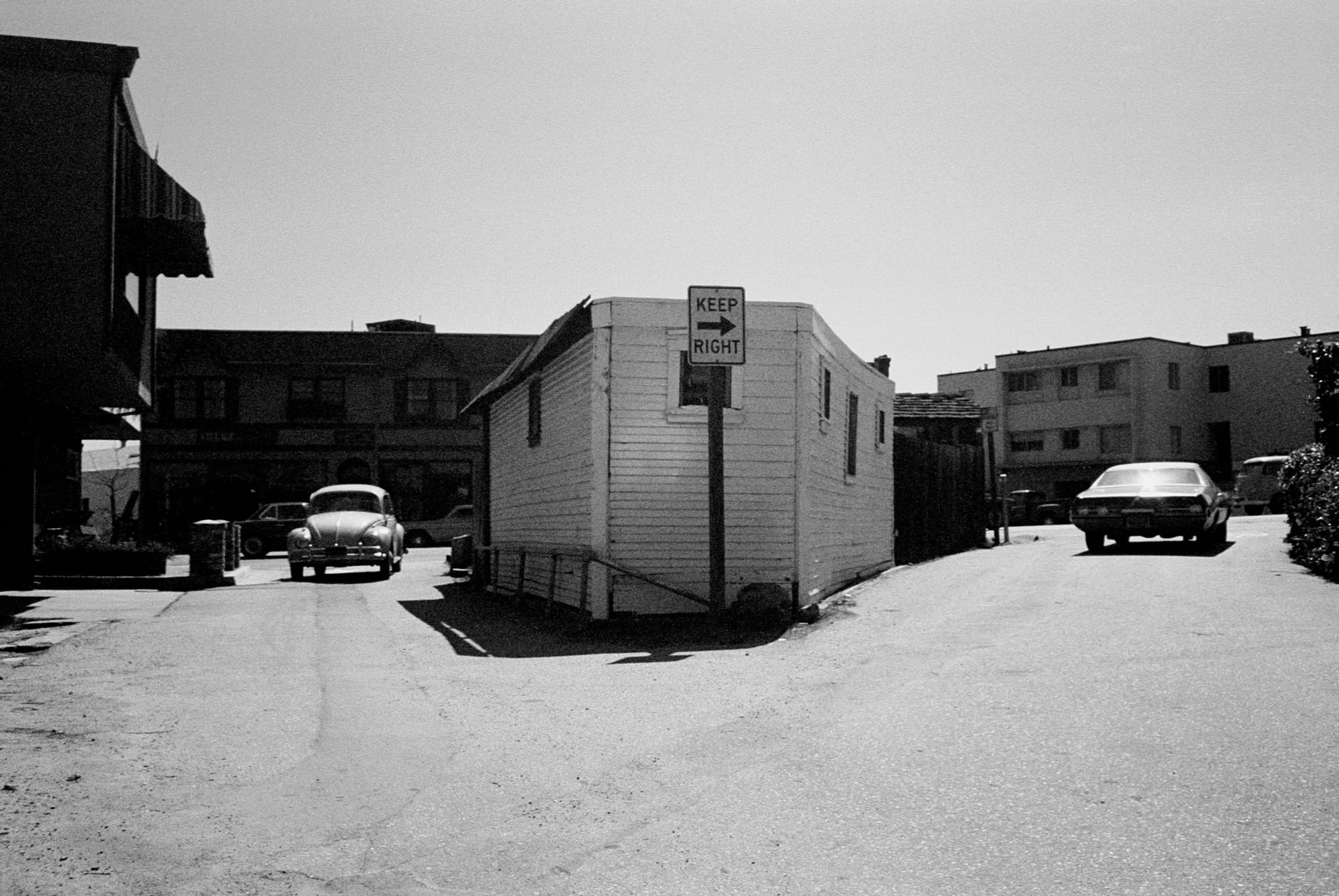
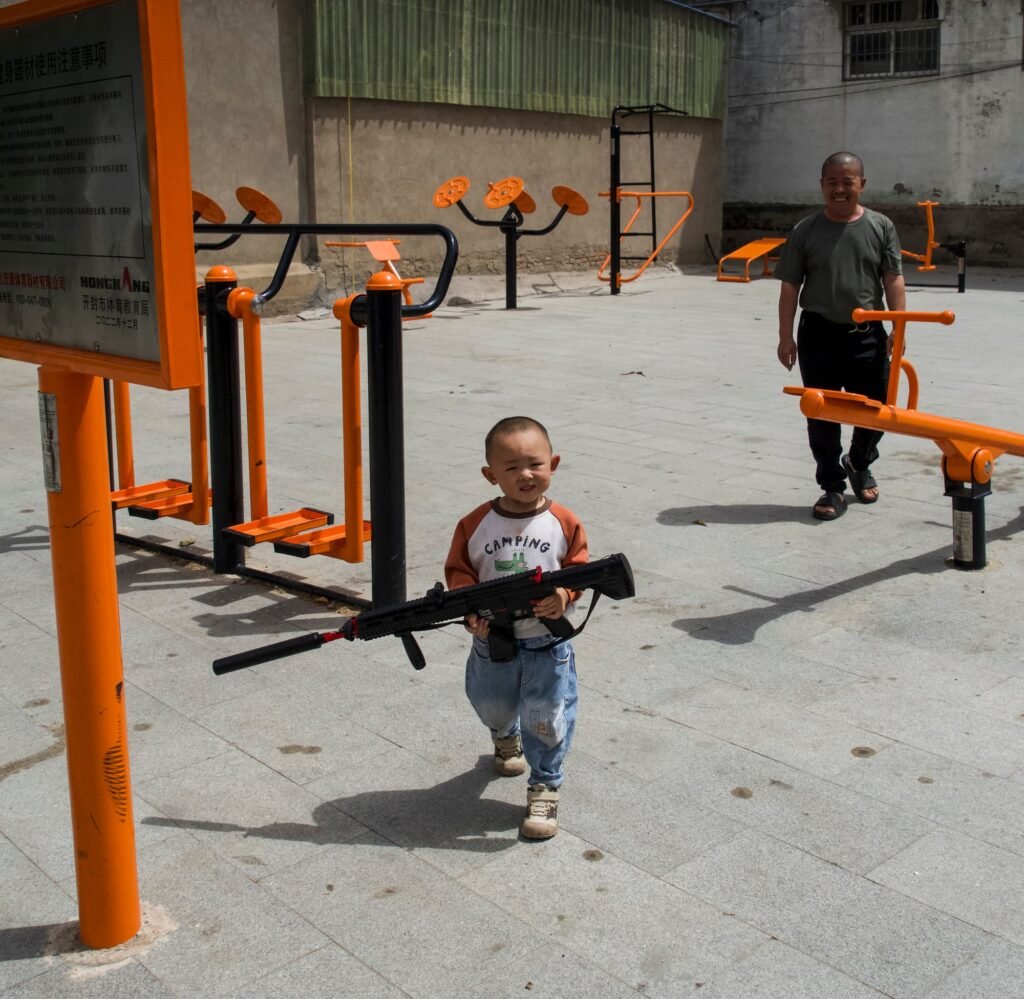
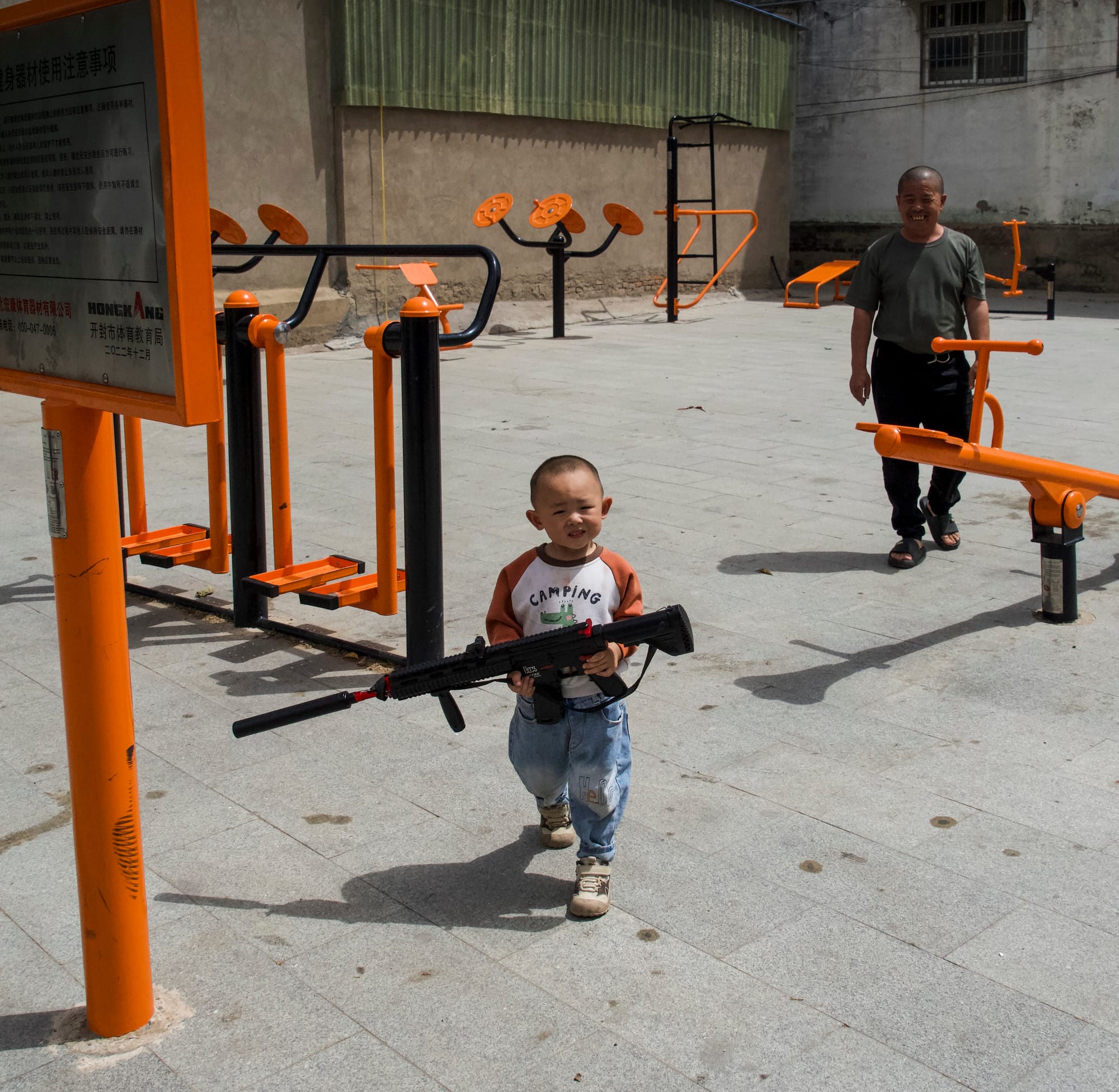
This encounter led me to learn more about Balcer, particularly after I sat on a panel about his photographs this past spring. What I discovered surprised me. Despite his achievements as a producer and writer for Law & Order — including a Primetime Emmy Award and multiple Edgar Awards — the throughline of Balcer’s life was direct photography, I came to realize. After studying poetry and photography at Concordia University in Montreal and taking a six-month seminar taught by the French New Wave filmmaker Jean-Luc Godard, Balcer worked as a cameraman, war reporter, editor, scriptwriter, documentary filmmaker, and film critic. Like Godard and other New Wave filmmakers, Balcer wrote reviews and made films, merging commentary and creativity.