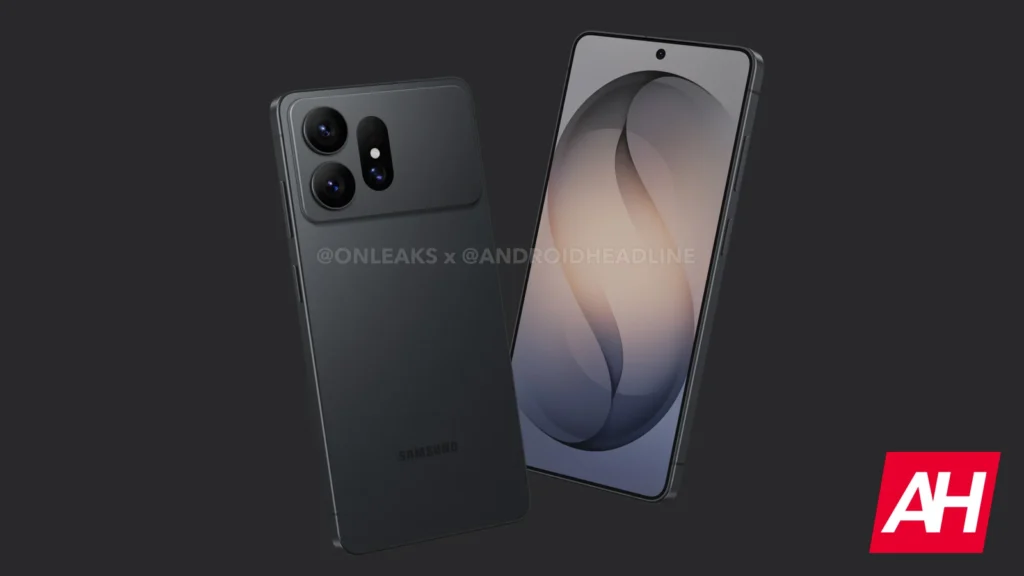

Rumors around high-end smartphone hardware move fast, but they do not always pan out. Earlier this year, reports suggested that Samsung‘s upcoming Galaxy S27 Ultra might introduce a hardware-based facial recognition system known as Polar ID. Developed by optical firm Metalenz, the system uses polarization sensing and optical metasurfaces to map facial features, promising 3D-level security without needing a massive display cutout.
However, tech tipsters are now pushing back on those claims. According to leaker kro (@kro_roe) on X, there is simply no active evidence suggesting Samsung plans to bring Polar ID—or any dedicated hardware face unlock—to its next Ultra flagship. The source noted that Samsung shows no indication of adding new facial recognition hardware to the Galaxy lineup. They add that the company likely views its current biometric setup as more than sufficient.
Lab tests vs. real-world phone production
To understand why this rumor gained traction in the first place, fellow tipsters @phonefuturist and @SPYGO19726 clarified the background behind the speculation. Samsung’s System LSI division—the team responsible for designing semiconductor hardware and image sensors—did conduct internal testing with Metalenz optics and polarization technology. The firm was reportedly doing so with a view to implementing it on the Samsung Galaxy S27 Ultra. Metalenz has also collaborated with Samsung’s ISOCELL Vizion team, making a future product partnership sound plausible on paper.
The problem is that internal semiconductor tests took place last year and were purely experimental. Just because a component gets evaluated inside an R&D laboratory does not mean Samsung’s MX division—the team actually building consumer smartphones—gives it a green light for commercial release (via SammyFans).
Sticking with ultrasonic sensors and controlling costs
For now, Samsung appears content staying the course. The company plans to rely on its proven in-display ultrasonic fingerprint scanners as the primary secure biometric method. As usual, you will also find the basic camera-based face unlock for quick convenience.
Skiping specialized facial authentication hardware also helps Samsung keep production costs under control. Industry sources note that Samsung is actively managing manufacturing expenses across the Galaxy S27 Ultra. They’re even exploring camera module tweaks like consolidating telephoto sensors to optimize photo performance without driving up final retail prices.
The post Samsung Galaxy S27 Ultra Will Probably Skip Advanced Polar ID Face Unlock appeared first on Android Headlines.