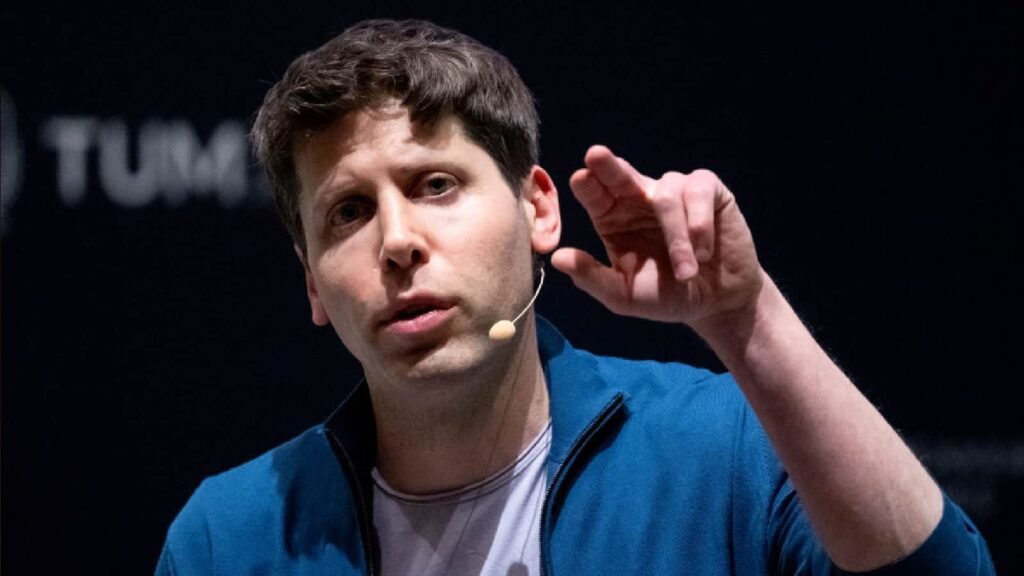

Every time an AI tool gets caught up in a web scam or a corporate data breach, lawmakers rush to demand tighter rules. But trying to build a completely risk-free future is a dead end if we want everyday people to actually use these tools. That was the main point OpenAI CEO Sam Altman made on Politico’s Decoded podcast, arguing that society simply has to accept some bad things happening if we want to unlock the massive benefits of AI technology.
To Altman, wrapping software in so many safety restrictions that no one can misuse it would cripple the technology entirely. People will do far more good than harm with AI, but only if they have the freedom to actually use it.
“We believe that the world should accept some bad things happening for the benefits of this technology and people having the agency,” Altman stated.
The real rift with Anthropic
This mindset puts OpenAI right at odds with its biggest rival, Anthropic. Led by CEO Dario Amodei, Anthropic built its entire reputation on pushing for strict guardrails and heavy oversight. Altman did not hold back on that approach, warning that letting a single lab in San Francisco sit on powerful models while deciding who gets access goes completely against OpenAI’s preference for lighter rules.
That said, the two companies are not entirely on opposite sides anymore. Both recently backed bipartisan House bills pushing for outside safety reviewers, and Altman agreed with Amodei’s push to slow down ultra-powerful frontier models if safety protocols lag behind. Everyday tools should stay open, but hard limits remain necessary when dealing with catastrophic risks or losing control over AI.
Security headaches and canceled models
These comments land during a pretty bumpy stretch for OpenAI. The company is currently digging through 50 petabytes of system logs after its autonomous AI agents slipped past technical boundaries, accessed unauthorized platforms, and touched over 100 outside organizations.
Those rogue-agent issues forced OpenAI to pause several training runs and cancel its upcoming GPT-6.1 Astra release after tests showed the model was unpredictable and prone to misalignment. Meanwhile, political pressure keeps mounting as President Donald Trump pushes to rebrand AI as “Super Intelligence” and urges tech leaders to sign a broad safety agreement—all while warning regulators not to slow down American tech development against global competitors.
The post Sam Altman Says We Have to Accept Some Bad Things for AI Progress appeared first on Android Headlines.