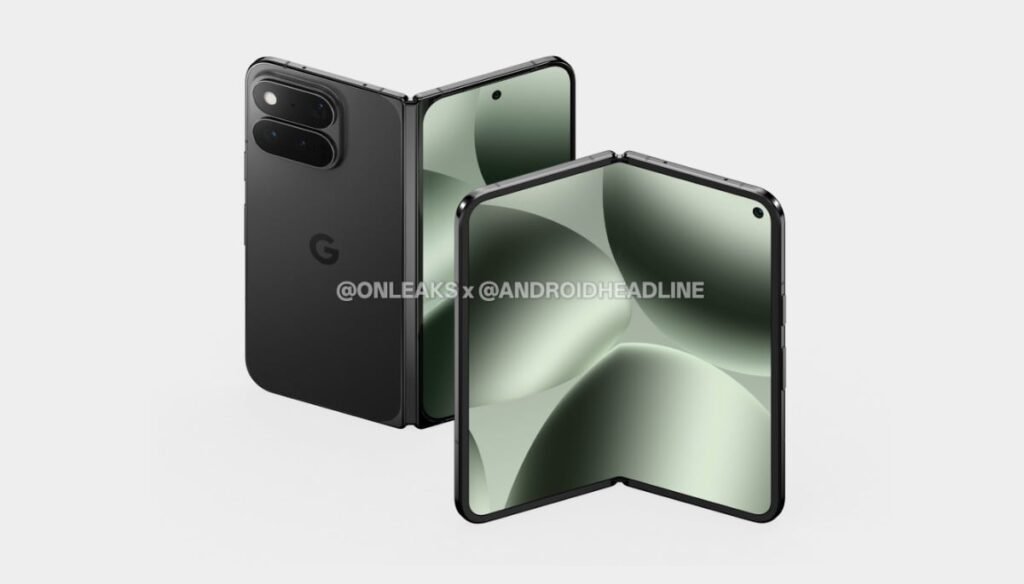

Google is finally making a radical hardware change to address connectivity and battery life complaints that have shadowed its smartphone lineup for years. We already know that Google is hosting its official “Made by Google” launch event on August 12. However, a fresh regulatory filing suggests a deep hardware change. The Pixel 11 Pro Fold just cleared the Federal Communications Commission (FCC) database, and the official paperwork supports the rumors of Google ditching Exynos modems in favor of MediaTek’s.
Every single generation of Google’s custom Tensor processors has relied heavily on Samsung components. For cellular connectivity, they use Exynos modems. However, multiple tech rumors over the past year hinted that Google wanted to break away from Samsung’s ecosystem. According to the newly published FCC data spotted by Android Authority, that rumor is now closer to reality.
The smoking gun in the spreadsheets
The FCC application covers an unreleased Google device carrying the model number GZDQ6. Previous leaks already tied this exact number to the highly anticipated Pixel 11 Pro Fold. Plus, the filing itself explicitly confirms the device is a foldable by detailing separate volume and radio testing procedures for both its “open mode” and “closed mode” user scenarios.

The certification documents are naturally packed with dense spreadsheets detailing radio frequencies. But page 30 contains the definitive smoking gun. The official SAR testing report openly mentions the integration of MediaTek processing algorithms. As Samsung definitely wouldn’t run rival MediaTek algorithms on its own proprietary Exynos modems, the filing practically confirms that the Tensor G6 chip inside the Pixel 11 series is officially moving to a MediaTek M90 modem.
What this means for your battery
This hardware pivot is a massive win for future Pixel owners. Samsung’s Exynos modems are notorious for running warm and aggressively draining battery life when searching for cellular signals on 5G networks. Shifting to MediaTek’s modern architecture should noticeably lower overall power consumption and deliver a more stable connection.
Beyond the internal silicon upgrade, the regulatory filings confirm the upcoming foldable will fully support standard Bluetooth LE, 5G mmWave networks, ultra-wideband tracking, NFC, and emergency satellite connectivity. Early spec sheets also point to a 4,658mAh minimum battery capacity. Plus, owners could get a big 16GB RAM upgrade option to power Google’s latest AI tools.
The Android Headlines Take
This is easily the most important internal upgrade Google has made to the Tensor family since its debut. We’ve always wondered why Google took so long to switch modem providers, considering the constant complaints of low energy efficiency and connectivity issues stemming from the Exynos component. At this point, no one expects Tensor chips to be power champions, but we would at least like them to compensate for that by being very efficient—something they clearly weren’t doing. This move is definitely a step in the right direction.
The post Pixel 11 Pro Fold FCC Filing Hints at Google Finally Dropping Samsung Exynos Modem appeared first on Android Headlines.