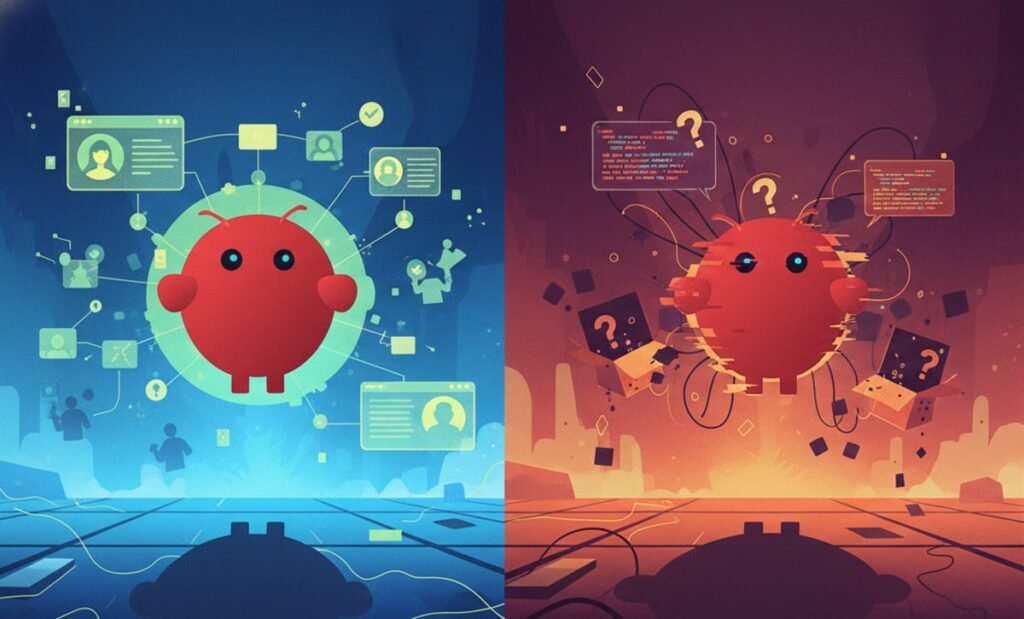

Agentic AI tools like OpenClaw—previously known as MoltBot—are pretty exciting. After all, they promise to take care of our emails, scheduling, and daily tasks. However, the hype for AI automation could be making people overlook basic security. According to a recent study, thousands of these OpenClaw-based AI agents are currently acting as potential “Trojan Horses” or security risks that malicious actors could exploit.
28,000 systems exposed: The hidden cost of agentic AI automation
Unlike traditional apps, an AI agent often requires deep access to a user’s operating system and personal accounts to function effectively. This brings a potential security problem from the deployment method itself. According to research by SecurityScorecard, over 28,000 unique systems running OpenClaw are currently accessible via the internet with minimal safeguards (via TechRadar).
Even more concerning is that about 63% of these deployments can be hacked from afar. This means a hacker doesn’t need to trick a user into clicking a link, as they can simply take control of the host machine directly. Public exploit code for several high-severity vulnerabilities is already freely circulating on the internet. So, the current barrier to entry for attackers is alarmingly low.
The problem of “identity”
Security experts point out that the risk isn’t necessarily that the AI is “going rogue.” Instead, the threat comes from the identity and permissions we give it. Connecting an agent to your email or banking services gives that software the ability to do things for you. If an attacker compromises that agent’s system, they get the same permissions. This allows them to send malicious messages or transfer funds under a legitimate guise.
Jeremy Turner, VP of Threat Intelligence at SecurityScorecard, notes that because much of the code for these rapidly developed tools is often generated by AI itself, security isn’t always a priority in the development cycle. Users frequently compound this risk by naming their bots after themselves or their companies. The practice makes them easy, high-value targets for digital scouting.
Separation is key
The situation has become serious enough that major tech players and international authorities are taking notice. Microsoft has advised against running OpenClaw on standard personal or enterprise devices. Plus, some regions have banned it in professional environments due to data exposure risks.
The post OpenClaw-Based AI Agents Exposing 28,000 Systems to Hackers, Research Finds appeared first on Android Headlines.