Understanding Migration: Push and Pull Factors
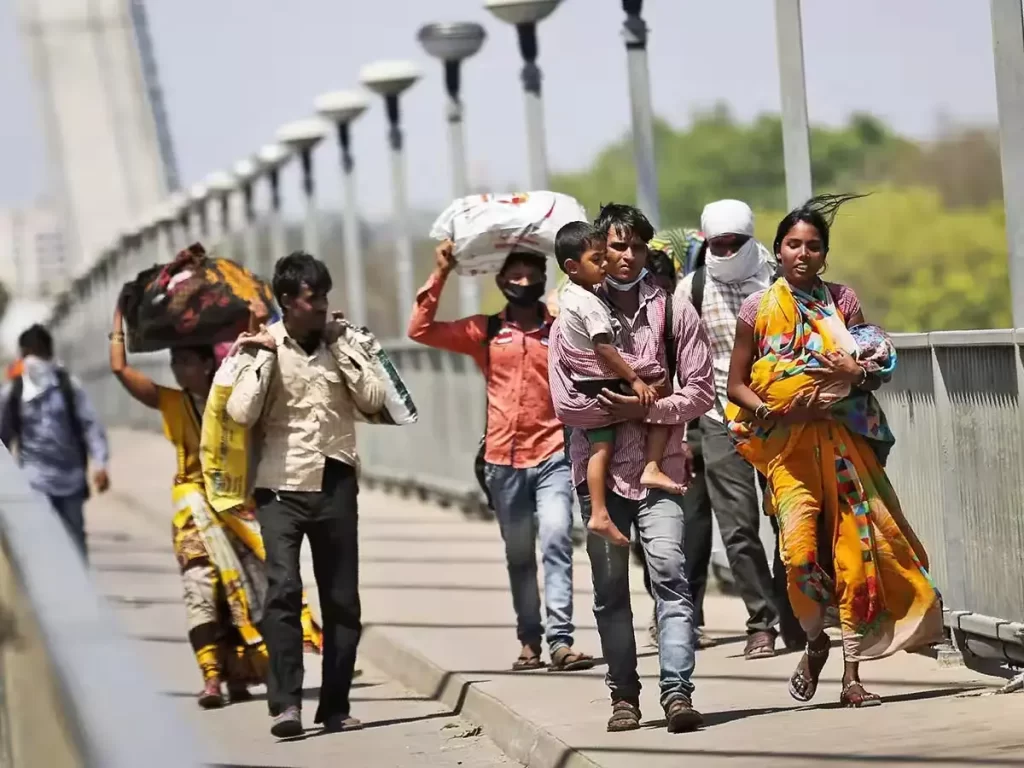
Migration involves the movement of populations away from their primary domiciles in search of new living environments. It can either take place across international borders or within the country’s own region. The migration is caused by push factors like war, lack of jobs in the market and pull factors that attract the migrant to their place such as better pay, safety etc.
City migrants are those who move from rural areas to other towns or cities in search of better opportunities. They might include small business owners, factory workers, and laborers.
These migrant populations play an important role in the development of cities. They often face more limited employment opportunities than they did in their original homeland, but there is a high demand for labor in sectors such as construction, transportation and domestic services. This contribution can be understood from the meager income they earn through the services they provide for the development of economic activity in the city.
How City Migrants Contribute to Urban Economies
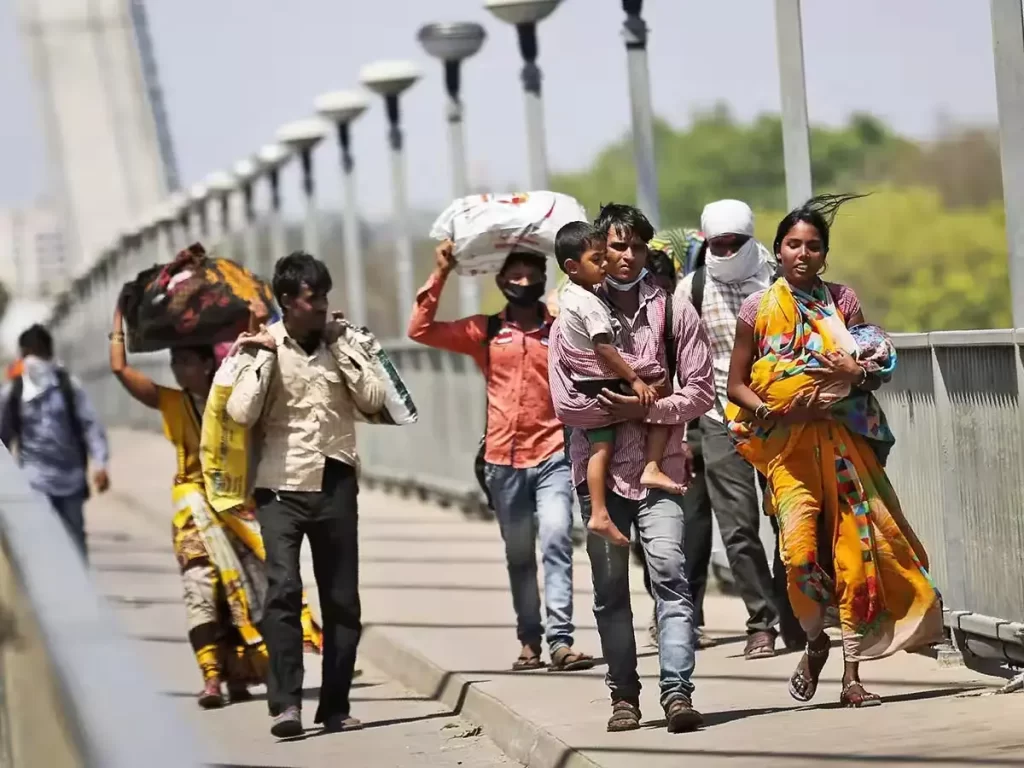
Migrants help the city to become more successful, as they have a positive effect on wages, employment, and productivity of the workers. They stimulate demand for consumer goods and services in the places they have migrated to live and work.
They may also carry skills from their own region that were not present in the native workers of the cities they migrated to. Thus, increase knowledge and ideas, which will be added to the existing population. This has led to the creation of new products, methods and trends in the market. These workers are likely to become entrepreneurs, thereby creating additional employment opportunities.
Dhirubhai Ambani: Migration, Entrepreneurship and Economic Development

Dhirubhai Ambani, who migrated from Gujarat to Mumbai to build his empire, which is commonly known as Reliance Industries, is a useful Indian example of how migration can be connected to entrepreneurship and economic development.
Initially he dealt in textile and related trading activities in 1966. His story highlights how migration exposes individuals to major commercial centers where they develop their skills, networks and economic opportunities.
His business generated investments, industrial growth and employment generation. This case study shows us that most migrant workers do not necessarily compete with the local labor workers but also create new job opportunities by becoming entrepreneurs.
In the present times, Reliance Industries has grown from a small industry to a multinational company that provides services in electronics, groceries, fashion and lifestyle.
For additional background, see Reliance Industries’ official history and Dhirubhai Ambani’s official profile.
Migrant Workers and Labour Demand in India’s Growing Cities
A useful example is the study done by Sven in 2014. It studied migrant workers of Gurgaon, Delhi and the surrounding regions where 72 respondents were interviewed, observed and surveyed.
The findings of the study showed that these workers often moved from their homeland because they had insufficient job opportunities as they depended on subsistence farming. Although their earnings remain modest, this income frequently exceeds the opportunities available in their home villages.
This case study shows us that rapidly developing cities like Mumbai need a large workforce for construction, transportation and other services which are met by their participation due to a lack of sufficient labor locally.
Though they might contribute to the development of the cities, they find themselves economically vulnerable because of the low wages they earn.
The Rise of the Gig Economy Among Migrant Workers

There is an increase in the gig economy, where labor workers earn money by doing short-term, flexible or individual jobs rather than permanent traditional jobs such as Ola/Uber drivers.
In present times, migrant workers engage more in gig work when there is difficulty finding formal work, as this gig work gives them quick access to income.
Van Doorn studied whether there is a relationship between the migrant workers and gig jobs. The growth of digital platforms like Swiggy, Zepto etc., after COVID-19 created opportunities for employment in food delivery and on-demand services.
At the same time, gig employment raises questions about insecurity and exploitation faced by these workers. These job opportunities form the backbone of the informal economy.
For further reading on India’s gig and platform economy, see the International Labour Organization’s 2024 report on the gig and platform economy in India.
How Gig Workers Drive Consumer Demand and Local Business
Thus, gig workers increase consumer convenience and economic activity as they connect restaurants and shopkeepers with customers, and ride-hailing drivers make transportation more accessible.
These help in the expansion of the business by reaching a large customer base.
Gig Work and the Urban Labour Market
Gig work acts as an accessible way for migrant workers to enter the urban labor market. They earn money by providing services to customers with delivery, transportation, retail or other things.
In return, these customers spend money to receive the services. Thus, businesses earn revenue which helps provide income to workers. They help other local businesses earn. Thus, forming a business cycle of customers and businesses, which is shaped by the demand.
The Economic Impact of Migration: Beyond City Growth
Overall, migrant workers have a complex relationship with development by filling the labor shortage, providing essential services, and contributing to urban consumption.
Their income can support families in rural areas through remittance.
However, economic benefits should not only be measured by the benefits received by the cities and businesses, but also by fair wages and social protection provided to the migrants to benefit themselves.
Writer- Mahek Dedhia
Editor- Syona & Avilasha
<p>The post Migration Economics: How City Migrants Shape Local Prices, Jobs and Urban Growth first appeared on The Economic Transcript.</p>