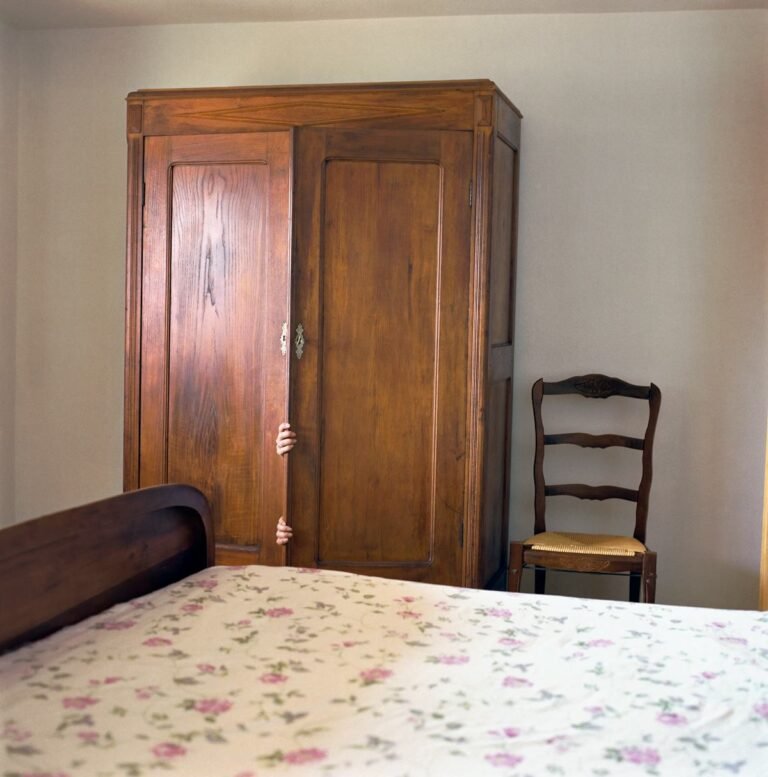

I was diagnosed with postpartum depression after the birth of my son, nearly a decade ago. In the time since then, more and more moms have publicly opened about their experience with this debilitating condition. There are more resources, personal stories and online support communities available. This is all fantastic — for the moms, at least. But what about those who want to help and support them?
From a mom who has been in the PPD trenches herself, here are six things you can (and in some cases shouldn’t) do to help:
Don’t ask if you did something wrong. This is a common and well-intended concern when someone you care about is suffering. Did I contribute to this? Could I have done something differently to avoid this outcome? The answers are no and no. No one can cause PPD, not the mother going through it or those around her. Hormones, sleep deprivation and the resulting emotional stress are the reason, not whether or not you dropped off a casserole in the week following her child’s birth.
When I finally began opening up about my condition to those around me, I found myself spending the majority of the conversations consoling the other person and reassuring them that this was beyond their control. It didn’t make my situation worse, but it certainly didn’t help things, either.
Bottom line: It’s not because of you, so don’t ask.
Be specific with your offers to help. When someone has a baby, people want to help. But remember, we live in a culture where help can be ordered and paid for. Food and groceries, laundry services, dog walkers and anything else you can think of. And because of that convenience and ease, we feel enormous guilt asking someone to help with something that we feel we can pay for.
For many of us, the only thing harder than accepting help is asking for it in the first place. And while your “let me know if you need help” offer is truly kind, it’s not realistic that a new mom with PPD will call you up and say, “hey, remember when you asked me if you could help… ?” She’ll just continue to suffer in silence because she doesn’t want to bother anyone.
Don’t be open-ended with your offer. Instead try, “I’m going out to grab a coffee, and I’ll drop one off for you, too.” Frame it more as a direction than an open-ended inquiry. Or “I need some exercise, let me borrow your dog to walk with me.” “I want some baby cuddles, I’ll come over so you can shower and nap.”
Many people asked if they could come over to see my baby. Only one said she wanted to come over and fold my laundry while I slept. You can probably guess who I said yes to.
Check in–but let them know they don’t have to respond. PPD made every aspect of my life feel overwhelming. I procrastinated or outright ignored any tasks I could. Everything felt like a massive weight on my shoulders, especially returning calls, emails and text messages.
My PPD had convinced me that everyone would hate me if I didn’t reply, so I tried, to my detriment, to keep up. My son was nursing every 90 minutes and I should have been sleeping in between feedings. Instead, I was texting out a bunch of lies that we were “doing great!” and that I was “tired yet blissfully happy!”
After my experience, I still text friends who are in the midst of a big life event, but now I always begin with “DO NOT REPLY TO THIS!” I follow that with a short message of support. Taking away the added responsibility of writing people back may seem small, but it’s a big relief.
Help their partner. My husband fumbled around me when I was going through PPD. He didn’t know how to help, but he also didn’t have any spare time to try. He was working, parenting, sleep deprived and trying to keep the household afloat.
Through our experience we learned firsthand that in order to be a better help to me, my husband needed to help himself. Yes, even a support system needs its own support at times. Text them hello, remind them that they haven’t been forgotten amongst all that is going on. Can you do them a specific favor? Meet for coffee? My husband said that finally talking to his friends who were also fathers provided a lot of sanity and direction in a time full of unknowns.
Don’t diagnose. Unless you are a medical professional, don’t try to name what someone is going through or propose a treatment plan. Between my husband and myself, we were told that I was dramatic, that I needed sunshine, that I was jealous of my baby getting attention, that I needed to spend more time with my son, that I needed to spend less time with him… you get the idea.
People just want to help and I know that. However, while these suggestions were well-intended, they did nothing other than confuse us and delay my diagnosis. It’s okay to say that you don’t know what is going on and suggest they see a doctor. In fact, you should do just that.
Learn about it. It’s hard to help someone when you don’t understand their situation. Read about what exactly PPD is and how it can manifest in a new mom. The symptoms, the feelings that ensue and the medically approved ways to treat it. With a greater awareness of what they are going through you’ll be more attuned to their specific needs.
Becky Vieira has been wearing mom jeans since 2016. She writes for a variety of parenting outlets, released her debut book in 2023, and can often be found oversharing intimate details of her life on Instagram. She’s immensely proud of the time she thought to pee in one of her son’s diapers, as opposed to her pants, while stuck in her car. She lives in the San Francisco Bay Area with her husband, son, dog, three cats, and a partridge in a pear tree.