
Writing code manually is slowly shifting from a standard technical requirement to a high-level oversight task. At its annual I/O event, Google introduced a robust suite of software upgrades engineered to push generative artificial intelligence past basic chat prompts and into autonomous development. The list goes from Google Antigravity 2.0 developer tools to a Google AI Studio mobile app, and even automated Android app publishing.
Google Antigravity 2.0: A dedicated central station for automation
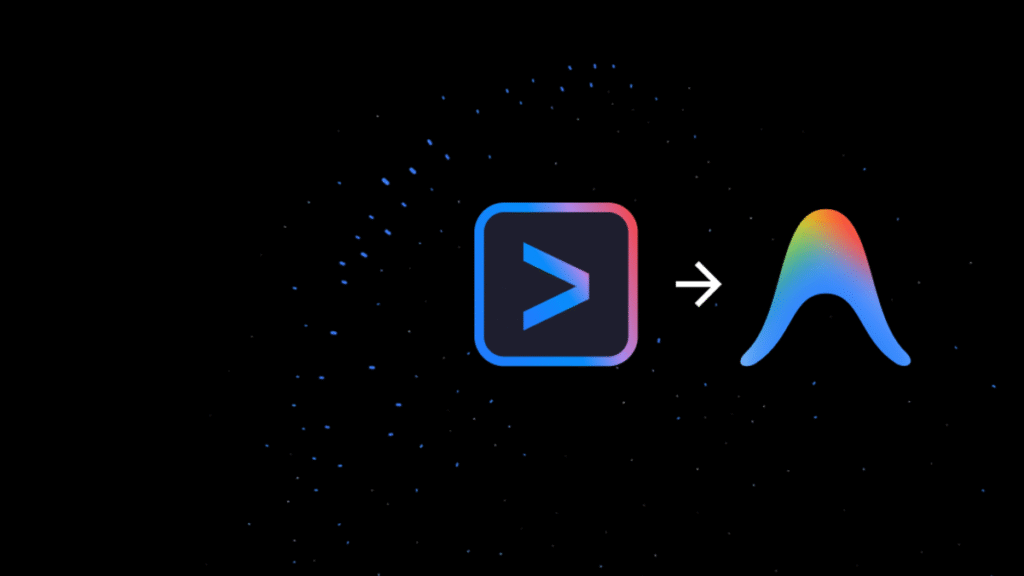
The core of this developer-focused ecosystem centers on the launch of the Google Antigravity 2.0 desktop app. Rather than treating artificial intelligence as a web browser plug-in, this standalone software serves as a hub to organize multiple digital agents simultaneously.
The software allows developers to deploy parallel subagents to handle distinct coding chores at the same time. It can also schedule background automation routines. For coders who prefer a command-line setup over a graphical user interface, Google introduced the Antigravity CLI. The firm is now urging users of the older Gemini CLI to migrate to this lighter, high-velocity terminal system. A specialized software development kit (SDK) also lets teams run these custom agent parameters directly on their own local servers.
To help offset the computing costs of continuous workflows, Google launched a mid-tier $100 monthly AI Ultra subscription. To incentivize adoption, developers who jump onto this tier can claim a temporary $100 credit bonus inside the app before May 25. This provides a safety net if they exhaust their initial usage quotas.
Sandboxed execution
For creators looking to build software directly via cloud pipelines, Google is launching Managed Agents within the Gemini API. Using a singular API request, developers can spin up an active software agent that operates inside an isolated, secure Linux environment.
These sandboxed sessions are fully persistent. If you close a session and return later, the agent retains all previously compiled files, memory logs, and overall project states. Programmers can customize these automated assistants using standard markdown documents or tap into pre-built templates inside the Google AI Studio playground.
Google AI Studio mobile app, automated app publishing
Furthermore, Google AI Studio is expanding its physical reach. A mobile app launching for pre-registration this week will allow developers to outline software ideas on a phone and find a functional prototype waiting on their desktop computer.
The platform also introduces native compilation for mobile operating systems. Users can now generate complete Android apps using direct prompt inputs. They can also connect them smoothly to official Workspace data channels and export the entire package directly to the Google Play Console test track for immediate user evaluation.
A historic global competition
Last, but not least, the company announced the Build with Gemini XPRIZE Hackathon. The initiative aims to find technological solutions to global challenges like food waste distribution and medical research acceleration. The competition features a massive $2 million prize pool. This makes it the largest financial reward package in hackathon history. Finalists will present their software live during a specialized gathering in Los Angeles this coming September.
The post Google Antigravity 2.0 is Your New Android Coding Hub; Google AI Studio Gets Mobile App appeared first on Android Headlines.