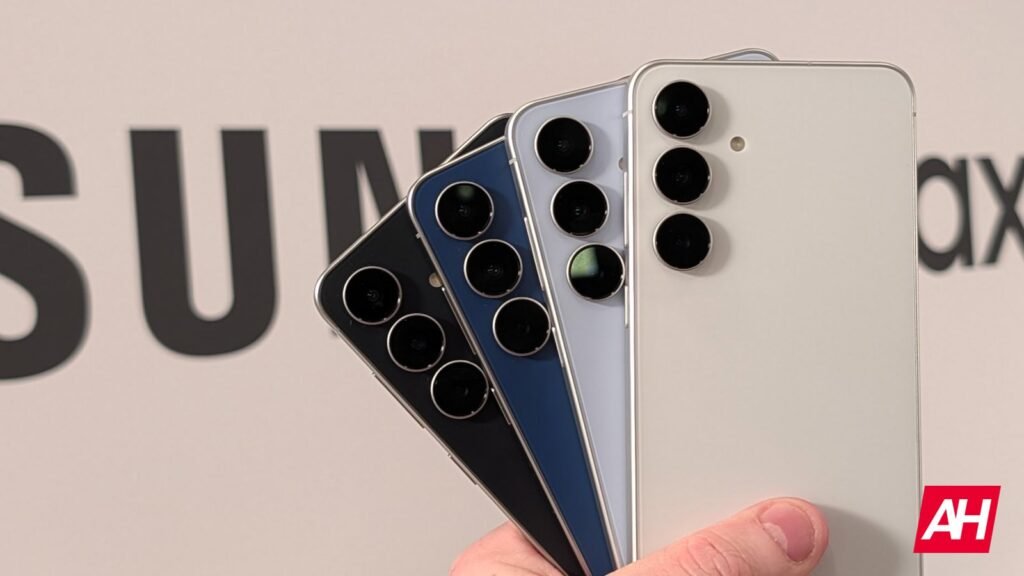

If you don’t need a premium flagship, Samsung’s Fan Edition tier serves as a reliable middle ground. These phones deliberately trim away a few luxury manufacturing choices to offer high-end processing and modern software at a friendlier price point. While the main flagship line occupied the spotlight earlier this year, supply chain data shows that the manufacturer is already preparing its next value-focused entry. Internal software files for the tentative Samsung Galaxy S26 FE have formally surfaced on company update test servers running a One UI 9 build.
Leaked firmware confirms Samsung is already testing the Galaxy S26 FE
Tech tipster Tarun Vats noted the appearance of active test builds on over-the-air update servers across South Korea and the United States. The early build references an internal model designation, carrying firmware tags that confirm active operating system development.
Usually, this means that the hardware has moved completely past the conceptual phase and into live validation tracks. Samsung generally follows a strict, twelve-month release pattern for its seasonal hardware refreshes. So, the firm could launch the device sometime between September and October.
A sweet software and architecture jump: One UI 9 and 3nm chip
The most telling detail from the server leak is the operating system baseline. The test files confirm that the smartphone is running the upcoming Android 17-based One UI 9 skin right out of the box. The skin update will bring more polish to the experience, including optimized security layers, a modernized Quick Panel, and fluid animation response profiles. According to reports, One UI 9 will debut on Samsung’s next premium foldables—launching in July.
On the processing side, rumors suggest Samsung will deploy last year’s Exynos 2500 chip globally across all regions. It might be an older generation CPU, but it’s still a huge leap in hardware for this tier. For reference, the current Galaxy S25 FE uses the older Exynos 2400 SoC—built in 4nm. On the other hand, the Exynos 2500 chipset chip relies on a more efficient 3nm architecture. This translates into better battery life and sustained computing speeds during daily usage.
Managing component costs amid global memory shortage
To offset surging global manufacturing costs and protect the device’s accessible price tag, industry insiders suggest the brand is sourcing some of the phone’s screens from Chinese display manufacturers. More specifically, Samsung could adopt BOE panels not only for FE models but also for the next-gen base Galaxy S. This way, the company seeks to maintain a competitive price while protecting its profit margins.
The post Galaxy S26 FE: Samsung Already Testing its Next-Gen Affordable Flagship Phone appeared first on Android Headlines.