The Unique Anatomy of an EV Fire
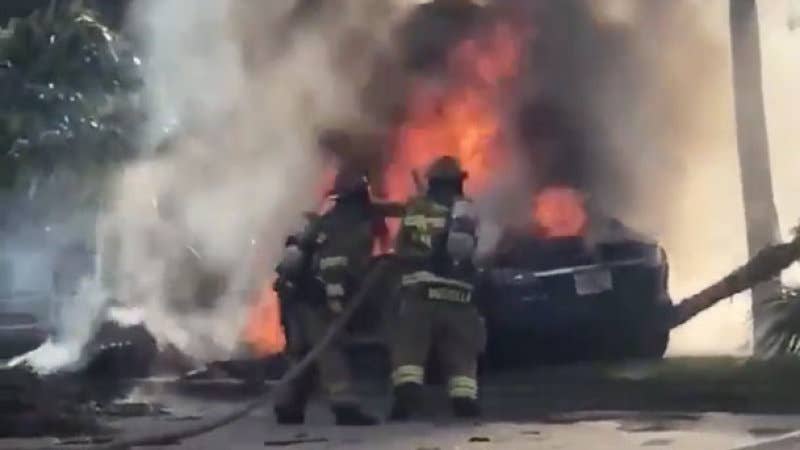
The rapid acceleration of electric vehicle adoption brings a steep learning curve for first responders and consumers alike. A recent instructional video from the YouTube channel StacheD Training highlights exactly why treating a lithium-ion battery fire like a standard combustion-engine blaze is a recipe for disaster. The expert host points out that using traditional smothering tools like standard foam or simple dry chemicals fails entirely to stop the underlying event. That event is a violent chemical reaction known as thermal runaway.
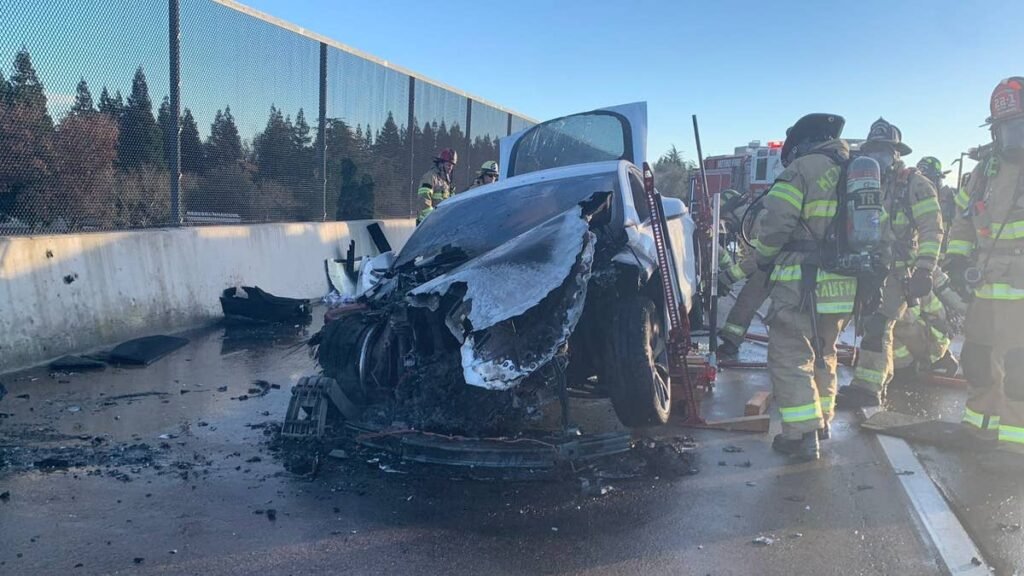
Instead of simply removing oxygen from the environment, emergency crews must aggressively cool the dense battery pack with thousands of gallons of water. The video forcefully emphasizes that if the cells’ core temperature remains critical, the overarching danger persists indefinitely. This oversight often leads to highly dangerous situations in which an apparently extinguished vehicle suddenly reignites, with chemical reactions sparking back to life long after the initial response team has packed up and left the scene.
The Cost of Inadequate Preparation
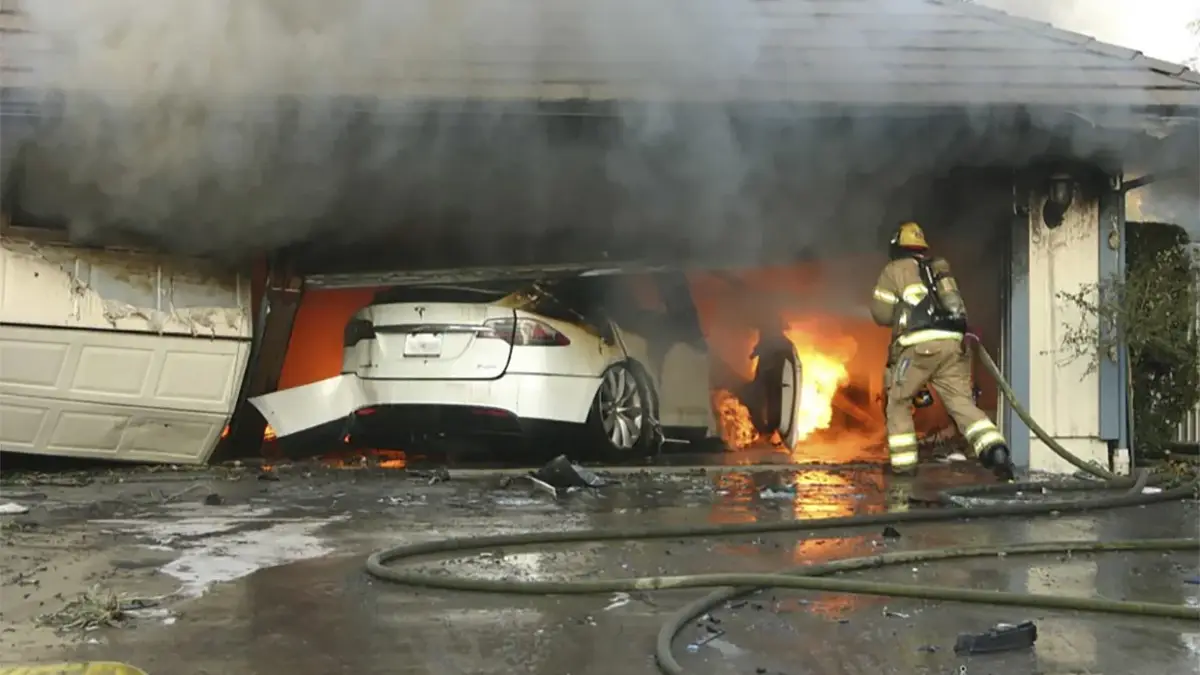
StacheD Training makes it abundantly clear that applying the wrong approach does much more than just delay putting out the flames. Using inadequate cooling methods allows intense heat to spread rapidly to surrounding structures, highly flammable debris, and adjacent vehicles. Furthermore, the intense off-gassing of highly toxic smoke poses a severe hazard to anyone attempting a misguided civilian rescue or relying on standard fire blankets without proper secondary water-cooling strategies.
The real-world consequences of ignoring these specialized emergency protocols are undeniably severe. We have already witnessed catastrophic property losses across the globe, including entire commercial facilities burning to the ground when EV battery risks are profoundly underestimated during an active emergency. The StacheD Training video serves as a stark and urgent reminder that modern automotive shops, residential parking garages, and fleet managers must immediately adapt their internal safety measures.
The Lowdown
The transition to EVs is inevitable, but the current rollout of safety measures is fundamentally flawed. Automakers are eagerly pushing millions of heavy, battery-powered cars onto the roads well before local fire departments have the necessary budgets or specialized training to handle them. The StacheD Training video perfectly illustrates the terrifying gap between cutting-edge automotive technology and our currently lagging municipal emergency response tactics.
Fortunately, the automotive industry is not sitting completely idle while these complex vehicles burn. Top engineers and battery scientists are heavily invested in developing cutting-edge suppression systems that aim to neutralize thermal runaway before it can aggressively breach the outer battery casing. Until those vital innovations become standard in every new model, practical education and proper heavy-duty equipment remain our only real defense against a very stubborn kind of fire.