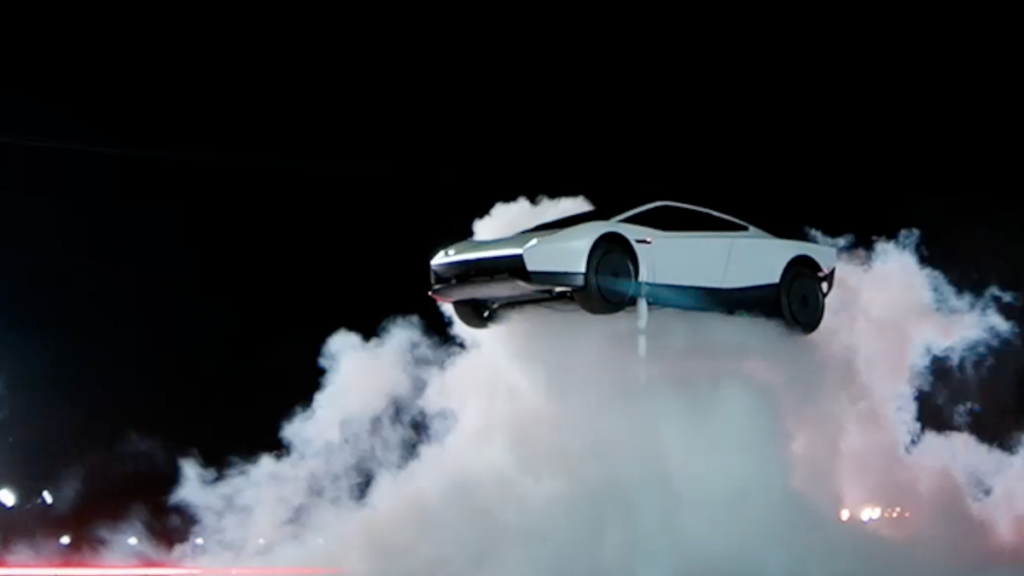
Jason Fenske, the host of Engineering Explained, is putting his dignity on the line by betting against a highly publicized feature of the upcoming Tesla Roadster. While tech reviewer Marques Brownlee recently made a timeline bet against the brand, betting on delayed production schedules is essentially playing on easy mode. Instead, this specific wager challenges Elon Musk’s direct claim that the sports car will independently recharge its own high-pressure thruster tanks without external equipment.
As he noted in an earlier reality check, Musk claimed the car would simply “puff itself up” for more maneuvers. The host is betting a full J.C. Penney photoshoot decked out in Tesla gear that this feature will never reach production. Rather than guessing about corporate timelines, this bet relies entirely on first principles to prove why an onboard compressor is functionally impossible.
Beyond the Laws of Thermodynamics
The core issue comes down to the massive electrical energy required to make this system work. Compressing 550 pounds of nitrogen to a pressure of 10,000 PSI requires an absolute theoretical minimum of 35.5 kilowatt-hours of energy. However, when you factor in real-world compressor inefficiencies, friction, and heat generation, that baseline number easily balloons to 70 kilowatt-hours or more. That means independently recharging these hover capabilities would consume a massive portion of the car’s total battery pack just to deliver another five seconds of thrust.
Beyond the electrical drain, you cannot ignore the severe hardware limitations. Pushing that much air into a storage tank within 30 minutes requires a massive industrial compressor drawing roughly 70 kilowatts, which is physically huge and incredibly heavy. Alternatively, running a smaller 15-kilowatt compressor means driving around with a deafening pump running for five hours just to regain a few seconds of thrust. With these absurd hardware demands, it is easy to wonder if the thruster reveal was purely theatrics.
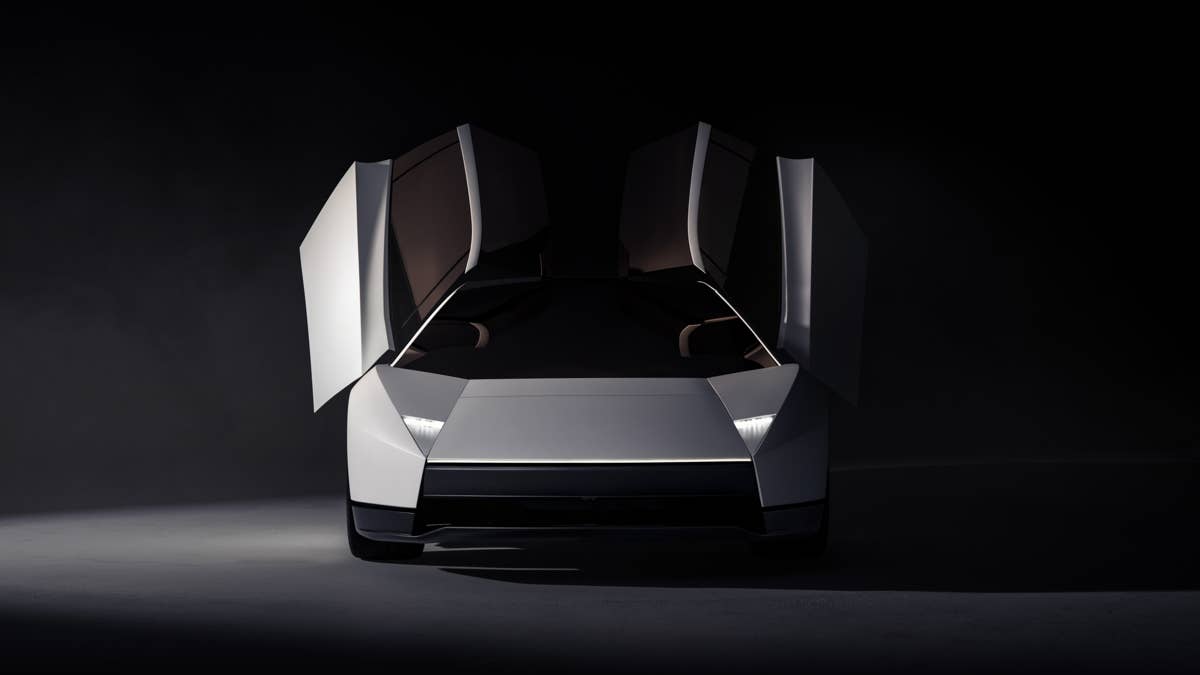
Loud and Heavy
The vehicle’s overall weight is another glaring issue. A Tesla executive previously claimed the base Roadster will weigh under 3,750 pounds, but the high-pressure composite tanks weigh an estimated 770 pounds alone. Add 550 pounds for the nitrogen, plus the fans and piping, and this speed record chaser suddenly balloons to over 5,200 pounds. A vehicle of this magnitude directly contradicts the nimble handling expected of a premium sports car.
It’s also going to be insanely loud. Releasing 10,000 PSI of pressurized gas will easily exceed 140 decibels, causing immediate hearing damage to anyone nearby on the street. Because of these insurmountable roadblocks, Tesla will likely have to build dedicated, off-site filling stations. Even before we see how other polarizing models like the halo truck age in the market, the math proves an onboard compressor is functionally impossible. The host’s dignity is entirely safe.
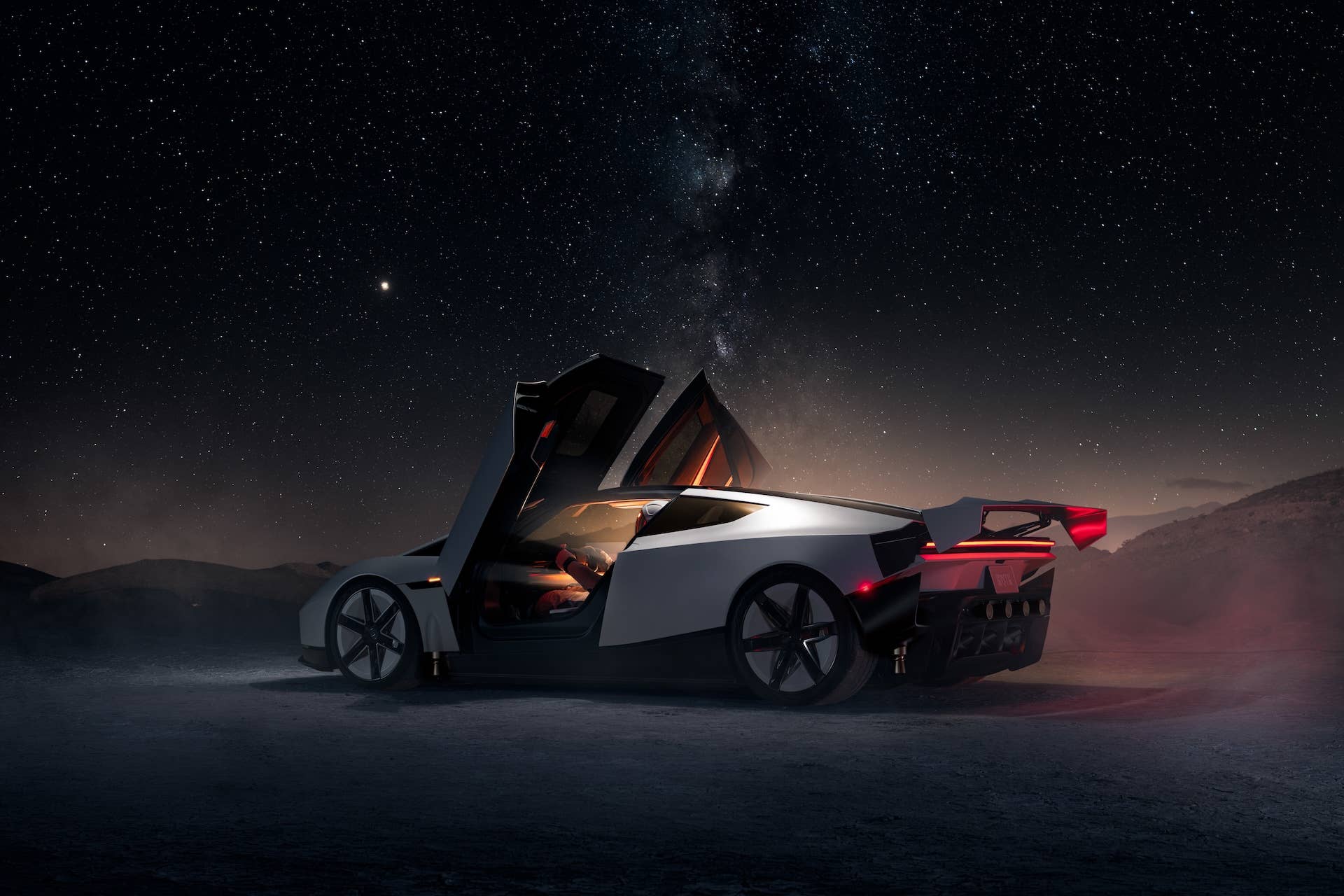
Tesla