Digital infrastructure demand is robust, with no indication that it will slow down anytime soon. And data center development is growing alongside it.
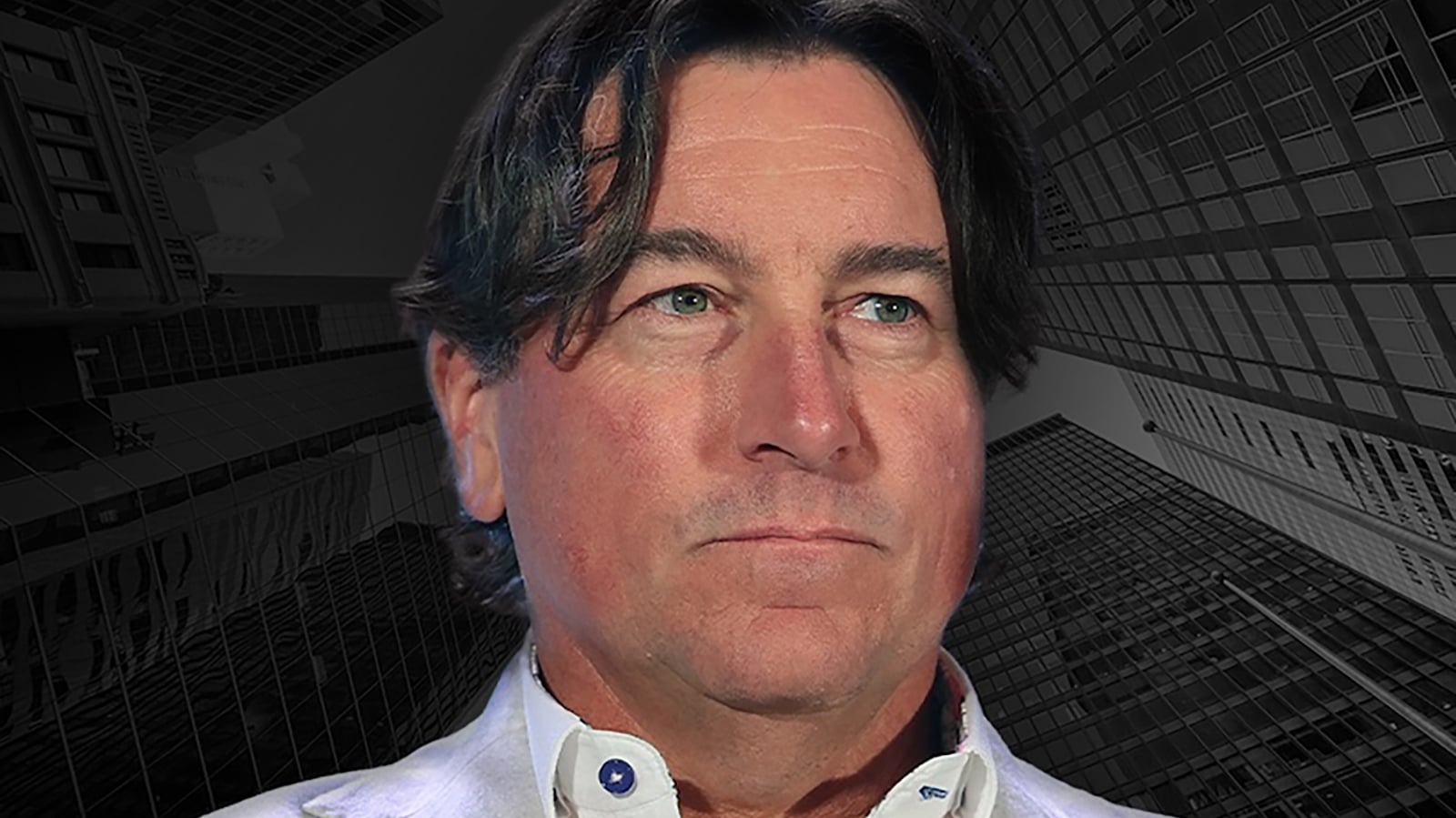
However, developers face challenges and constraints that go beyond land availability and capital access. During the July 1 Walker Webcast, Compass Datacenters CEO Chris Crosby shared insights with host Willy Walker, Chairman & CEO of Walker & Dunlop, emphasizing that the industry is in an environment in which infrastructure readiness, policy engagement and community arrangements are essential to a development.
Furthermore, the best way to handle such issues is to do so consciously and on the front end.
“I think it’s very important for us to be good neighbors. I consider it to be social license,” Crosby said. “If you’re going to be somewhere for 100 years, you know, you’re going to put infrastructure in place for a very, very long period of time, you better do it well.”
The Infrastructure Reality
Much of the data center narrative focuses on water use and grid capacity.
When it comes to water use, especially in large-scale cooling systems, communities worry there will never be enough. However, Crosby said that Compass Datacenters never uses water.
“I know water is a precious resource,” he said. “As a decision for us to build anywhere we want to, we’ve always made water something that we don’t use.”
Certainly, the cheapest way to cool is through water and evaporation. But Crosby said that Class A developers are relying on technologies, including dry-cold chillers and refrigerants, rather than water evaporation.
“Now, some of the new guys in the space are using evaporation systems, and some of the large hyper scalers are still doing that, but it’s not the norm,” Crosby said.
When it comes to powering data centers, Crosby suggested that panic over grid overuse shouldn’t be the data center’s fault, but rather a problem of deferred maintenance. “If we’re looking at a grid that hasn’t had infrastructure for 30 years, that’s a long time,” he said.
Additionally, data centers should be used as a flexible resource, rather than a power drainer. Crosby said that most data centers these days have backup power that could help a community. “This is an area where we’re falling flat on our faces,” he added. “If I’m putting up a $5 billion project, for me to spend $100 million on transmission upgrades makes a lot of sense to me from a real estate perspective.”
Neighbor Versus Developer
A recurring theme during the webinar was that data center developers should regard themselves as long-term neighbors in the communities where they build, in other words, building the social license.
“We have an obligation for transparency, to communicate things, and to share the positive as well as the negative sides,” Crosby said. He added that breaking out of secrecy is essential to that social license. Also important is asking communities what else they need, like a new animal shelter or water tower, which Compass Datacenters has provided.
But the communities also need to step up and put conditions around the development. “Communities need to ask if there are any challenges,” Crosby explained. Community leaders need to set boundaries, ask for setbacks and ask for extras that might be needed.
“Communities should also be asking for the bars and eliminating those developers that aren’t qualified or can’t follow them,” Crosby added.
Overall, communities should be doing all of the above activities and more, rather than issuing moratoriums on data center development, especially as demand for those centers continues ramping up.
“To say no to a project is crazy to me,” he said. “It’s not serving your people.”
Going Beyond Dirt Work and Construction
The webcast discussion reinforced that the next phase of data center growth will depend less on speed to market and more on education and alignment with stakeholders, infrastructure and community concerns.
Crosby said he understands the questions being asked, especially as data center development came on suddenly, leading to a speculative boom and new players in the marketplace.
“Ultimately, our job as an industry is to be transparent about what we are doing,” he said. “This all starts with us.”
On-demand replays of the July 1 Walker Webcast are available through the Walker Webcast channels on YouTube, Spotify and Apple. Subscribe to get invites, replays and articles for new Walker Webcast episodes every week.
The post Data Center Growth and Infrastructure Reality: Walker Webcast Hosts Compass Datacenters’ Chris Crosby appeared first on Connect CRE.