Back From the Rust
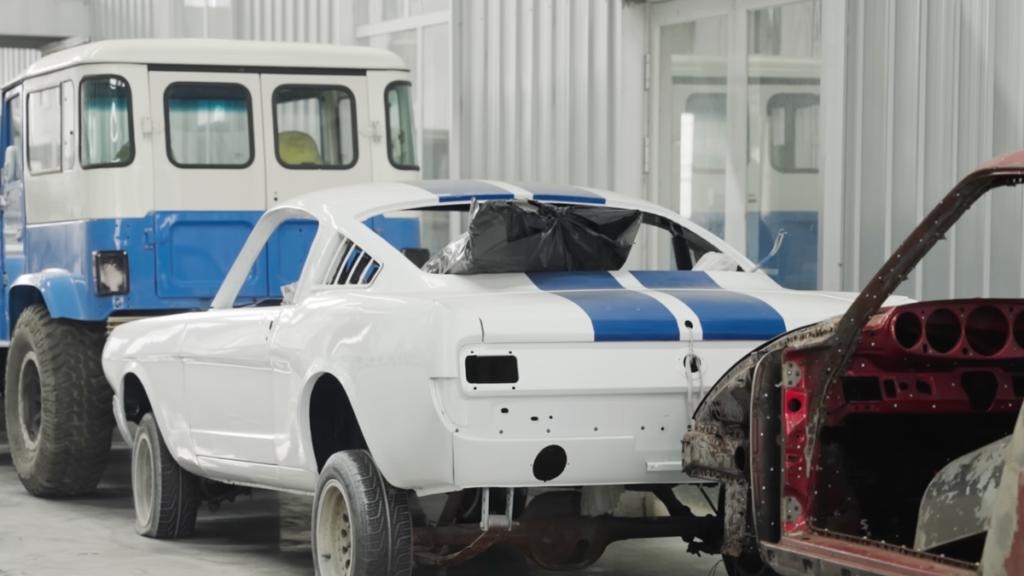
One of the exhibitors at the 2026 SEMA Show was Jiangsu Juncheng Vehicle Industry Co., Ltd., a Baoying, China-based company manufacturing replacement body shells for iconic vehicles, including the 1967 Ford Mustang fastback. A Bronco restomod built using one of Juncheng’s body shells also reportedly sold for around a staggering $400,000 at Barrett-Jackson.
This raises the question of what the future holds for preserving old enthusiast cars as original body shells become increasingly scarce and affected by rust. Hagerty visited the Chinese factory earlier this year and learned that a replacement Mustang body shell costs around $16,000, making it cheaper than some competing reproduction shells. Meanwhile, replacement bodies for the Toyota AE86 and Datsun 240Z start at around $9,500. These bodies do not come with VINs, with Juncheng marketing them as replacement parts rather than complete vehicles.
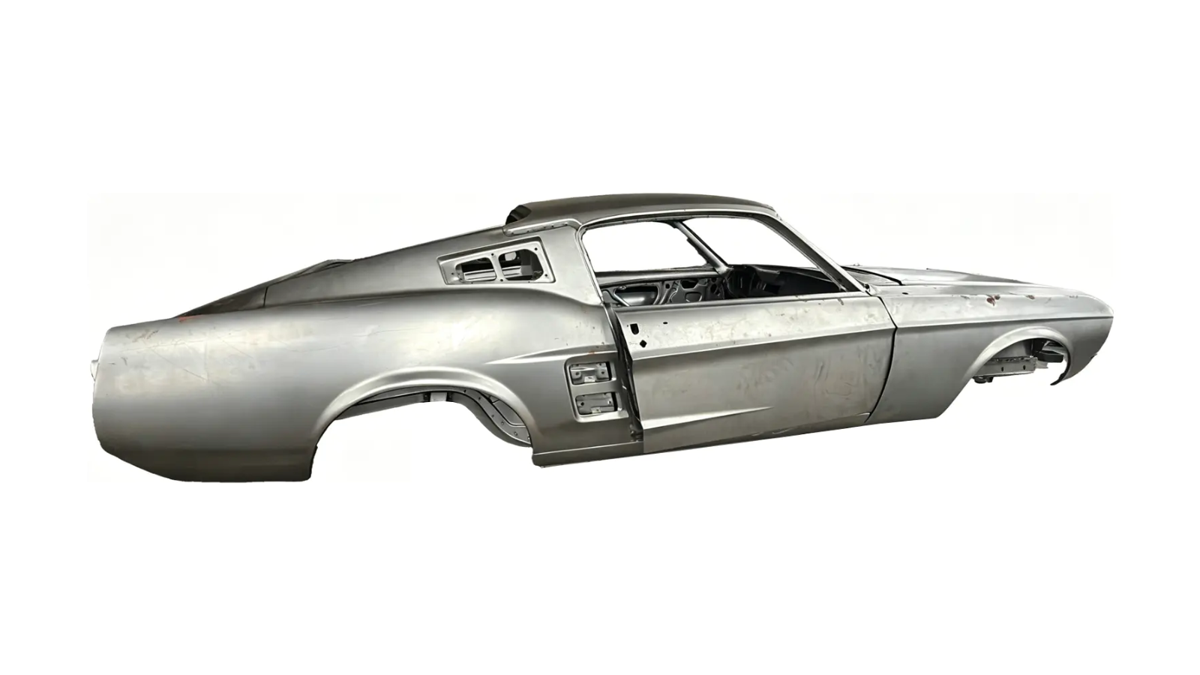
Jiangsu Juncheng Vehicle Industry Co.
Restored or Recreated?
If this business becomes more widespread, replacement body shells could help keep classics in tip-top shape without cutting up rare survivors. It could also create new opportunities for restomods, as builders wouldn’t necessarily need to find a rust-free donor car to get started. Enthusiasts, however, may question their authenticity.
Moreover, there are legal concerns. For one, these replacement body shells lack original VINs, making registration in the U.S. more complicated, as buyers may need to register their builds as specially constructed vehicles, depending on state laws. There’s also the question of whether completed builds would need to meet applicable federal safety standards.
It is worth noting that several companies have already been producing replacement body shells for years. For instance, Dynacorn Classic Bodies produces bodies for the Ford Mustang, as well as General Motors models like the Chevrolet Camaro and Pontiac Firebird. One difference is that Dynacorn’s shells are officially licensed by the original automakers, while Juncheng doesn’t advertise such licensing. Competitive pricing could also help the Chinese manufacturer stand out.
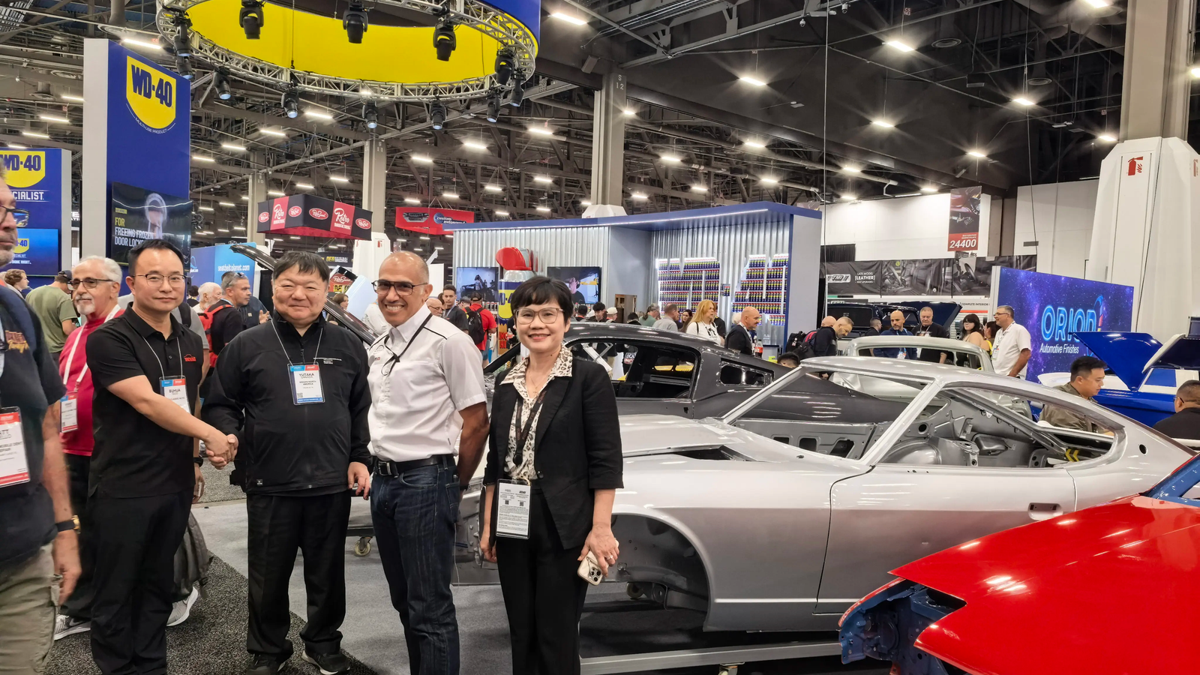
Jiangsu Juncheng Vehicle Industry Co.
Can Nostalgia Be Mass-Produced?
That could make classic car restorations more accessible by reducing reliance on increasingly scarce original body shells. But would greater availability of reproduction bodies increase the value of restored classics or undermine it? There’s also the concern that reproduction bodies made without official licensing could undermine the exclusivity of rare classics by making limited-production models appear more common, potentially affecting the value of genuine examples.
A lot could still change, from how regulators handle reproduction-bodied classics built using Chinese-made shells without VINs to whether automakers like Ford will challenge the reproduction of their classic designs.
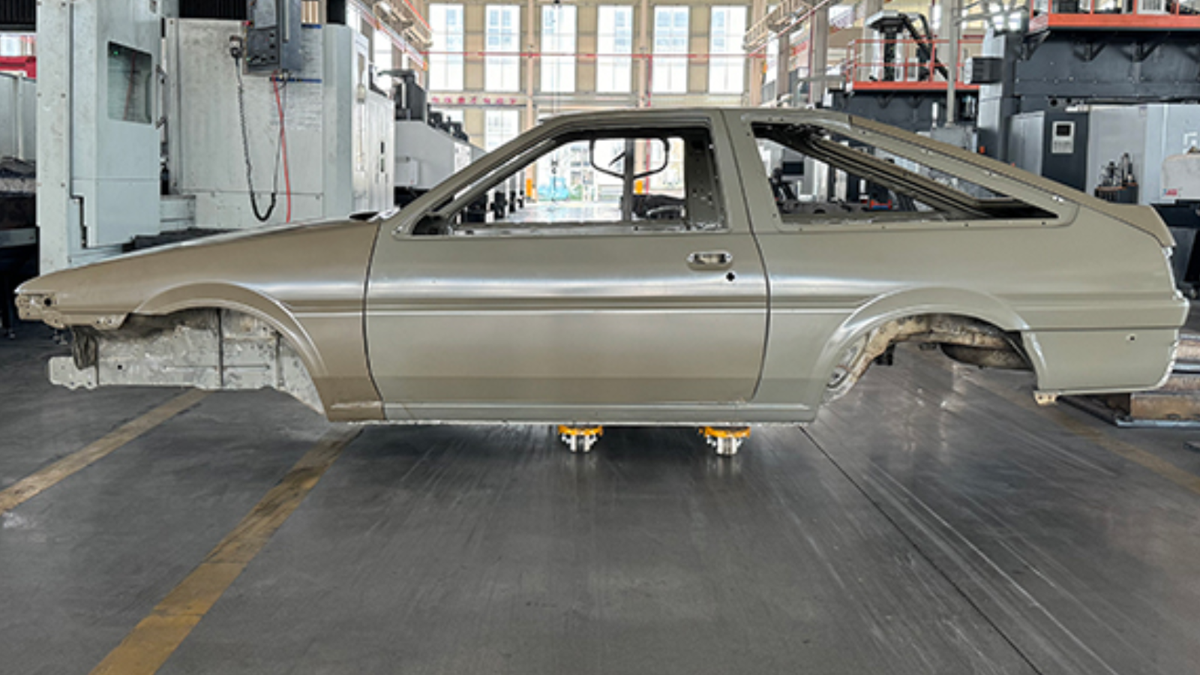
Jiangsu Juncheng Vehicle Industry Co.