Cost of Doing Business
Auto suppliers like Adient, Aptive, and BorgWarner are in the process of cost recovery from automakers as prices go up and belts tighten. The cost of doing business has gone up for everyone, stemming from fuel price increases, semiconductor supply woes, and ever-increasing labor expenses.
With all those factors combined, it makes sense that these auto supply companies are looking to collect from their clients in a bid to shield themselves against the incoming storm. We’re expecting rain, sleet, and snow, and a hurricane of expenses in next year’s forecast, so to speak.
Getty Images
Cost Recoveries
These suppliers are looking to recover as much of their cost as they can in order to protect their bottom line, and ultimately their businesses. “We are dedicated to getting money out of everybody that we possibly can to recover these costs,” said Pat Carlin, the incoming CFO at Adient. “You are seeing it across the industry. There is a lot of inflation out there that we all have to endure and pass on to our customers.”
In other words, based on the report from Automotive News, the auto suppliers are looking to make back their costs from their clients, the brands that buy from them. Adient has incurred an estimated $35 million in fuel surcharges because of the crisis in Iran. Also on the company’s plate are labor cost increases at two of its plants, one of which produces the seats for the Ford F-150. Adient plans to collect from its customers, including Ford Motor Co., which is said to face up to $2.5 billion in commodity headwinds for the year.
Shortages lead to higher prices
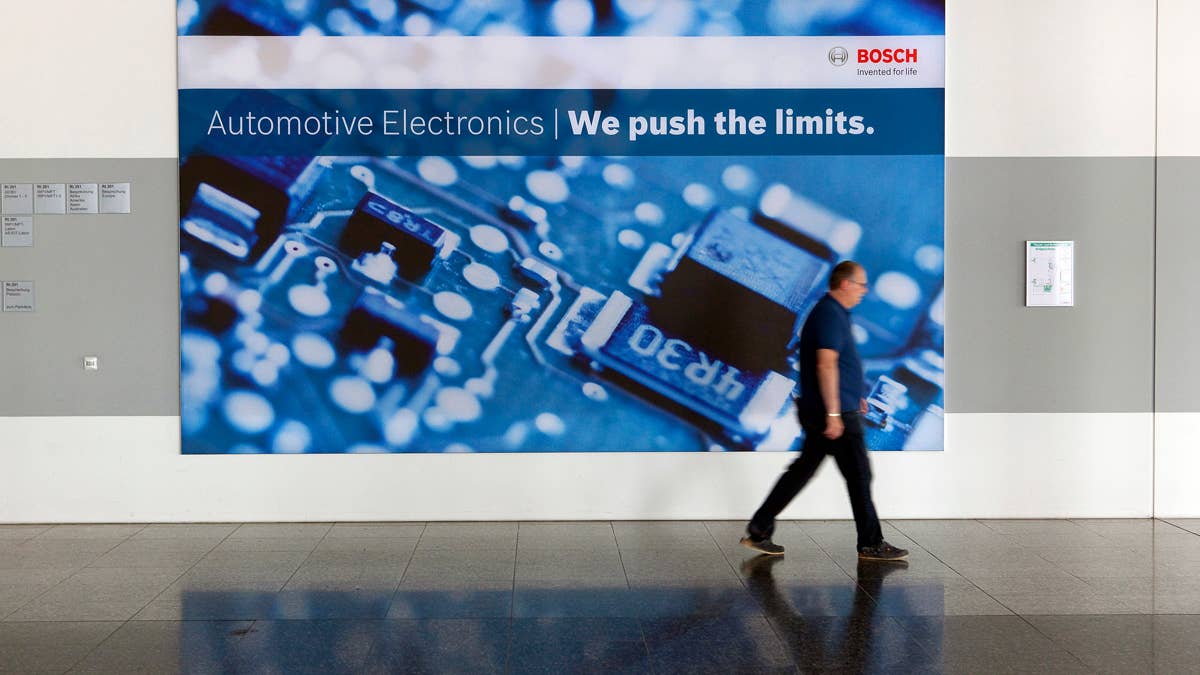
Apart from that, semiconductor shortages are still rampant in the industry. We’ve already seen the effects of what a semiconductor shortage can do to an industry, and it’s still a recurring issue. Aptiv, a software and electronics supplier, expects $700 million in inflation in semiconductor prices next year.
Data centers and the push for more advanced A.I. are making prices skyrocket for electronic parts. Automakers aren’t spared from this inflation, and neither are the suppliers, but the latter is already looking to collect. “Without getting their support and commitments, we cannot ship parts,” Aptiv’s CFO, Varun Laroyia said.
If automakers don’t foot the bill that’s due now, prices for semiconductors and more will get even more expensive to buy from their suppliers than they are now. Without the money to buy the chips that they need, these companies will be forced to buy later, at a time when demand may be out of control. Who knows?
Caught in Between
Auto suppliers need to collect costs and prepare for the coming storms ahead. They can’t predict the future, but it is good to be ready for anything. Sometimes, suppliers do negotiate with their customers and get some form of price relief on products that use commodities that are volatile in price, like aluminum or nickel.
Regardless of that, consider this as a precaution for rising car prices in the future. Not just that, but also the cost of maintenance, repair, and replacement parts might also go up in the near future. If brands pay up earlier, suppliers may be able to delay the incoming inflation to a later date.
Still, we’re already seeing sky-high prices for new cars now, and that number might not come down in the next few months to a year. It might be a while before the economy catches up, but with the cost of doing business now, and with suppliers taking measures to shield themselves for the future, the outlook doesn’t look too great.

Getty Images