- Advanced sensors could shift unsprung mass forward to make sliding easier.
- It’d be smart of BMW to geo-restrict a system like this to racetracks and private roads.
- BMW’s advanced sensors could determine when a driver wants to start a slide.
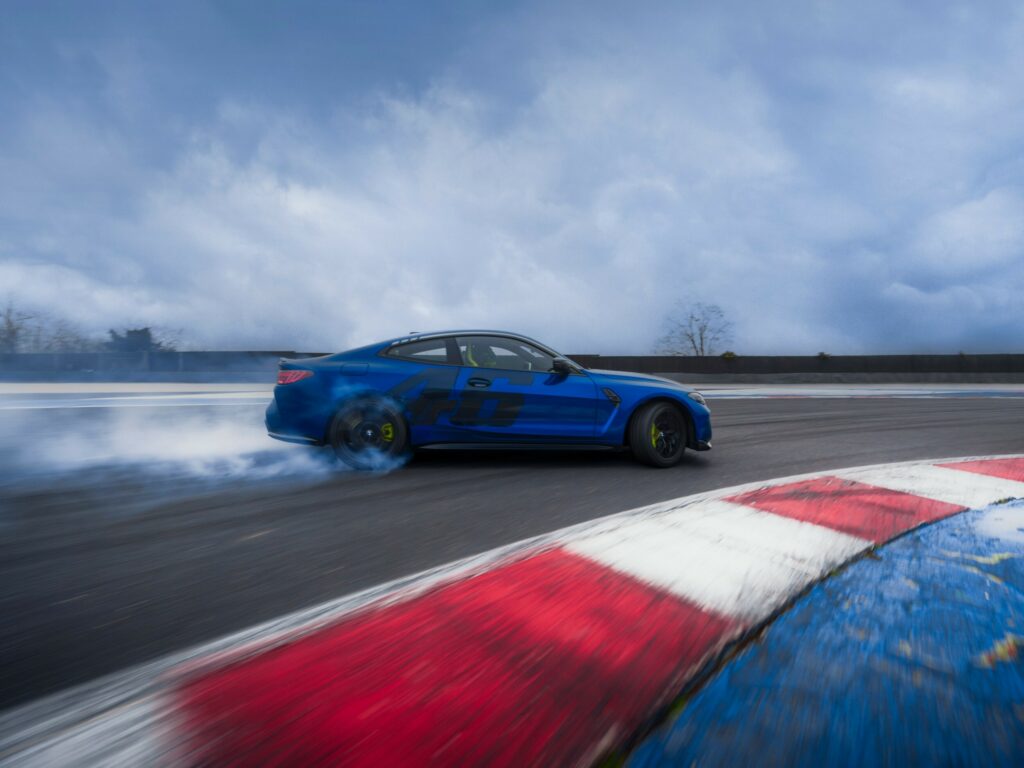
BMW could be about to make drifting in its high-performance models even easier and more entertaining. A recently filed patent reveals that the German brand could use advanced sensors to adjust a car’s suspension in real-time to better initiate and control a slide.
The filing, lodged with the German Patent and Trade Mark Office, describes a setup in which “the load on the rear axle is temporarily reduced,” and the “unsprung mass of the vehicle is shifted” upward. Take weight off the rear wheels and the tail lets go sooner.
Read: BMW Just Designed A Screw That Locks You Out Of Your Own Repairs
The system would work by using sensors to detect when the driver wants to initiate a slide and instantly loosen the rear suspension using adaptive suspension or an active roll control setup. As reported by CarBuzz that found the filing, BMW’s technology would also be able to monitor a vehicle’s speed and trajectory and may be able to store steering-angle settings for future use.
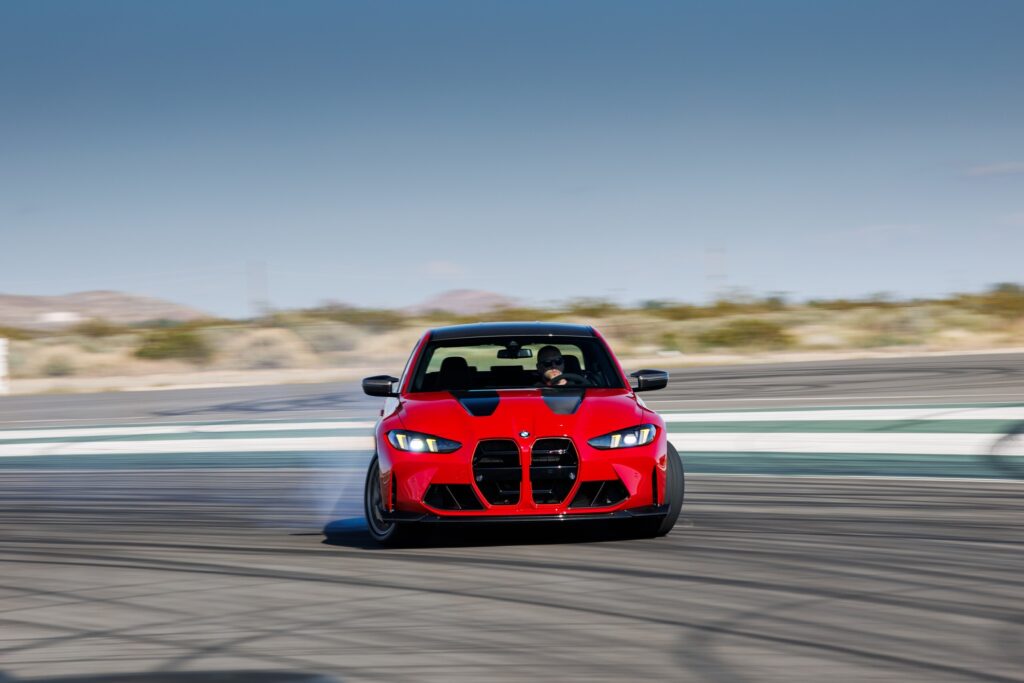
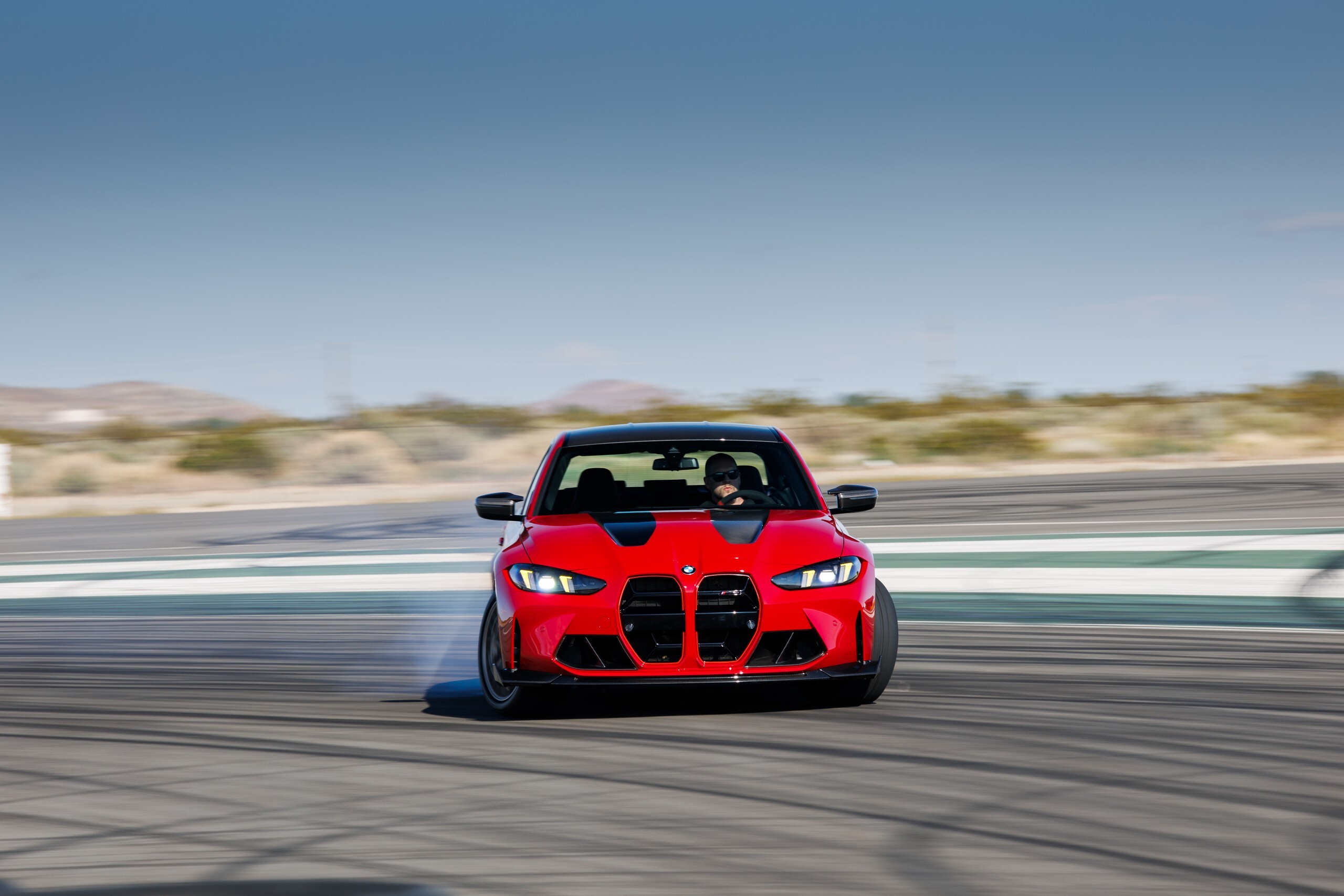
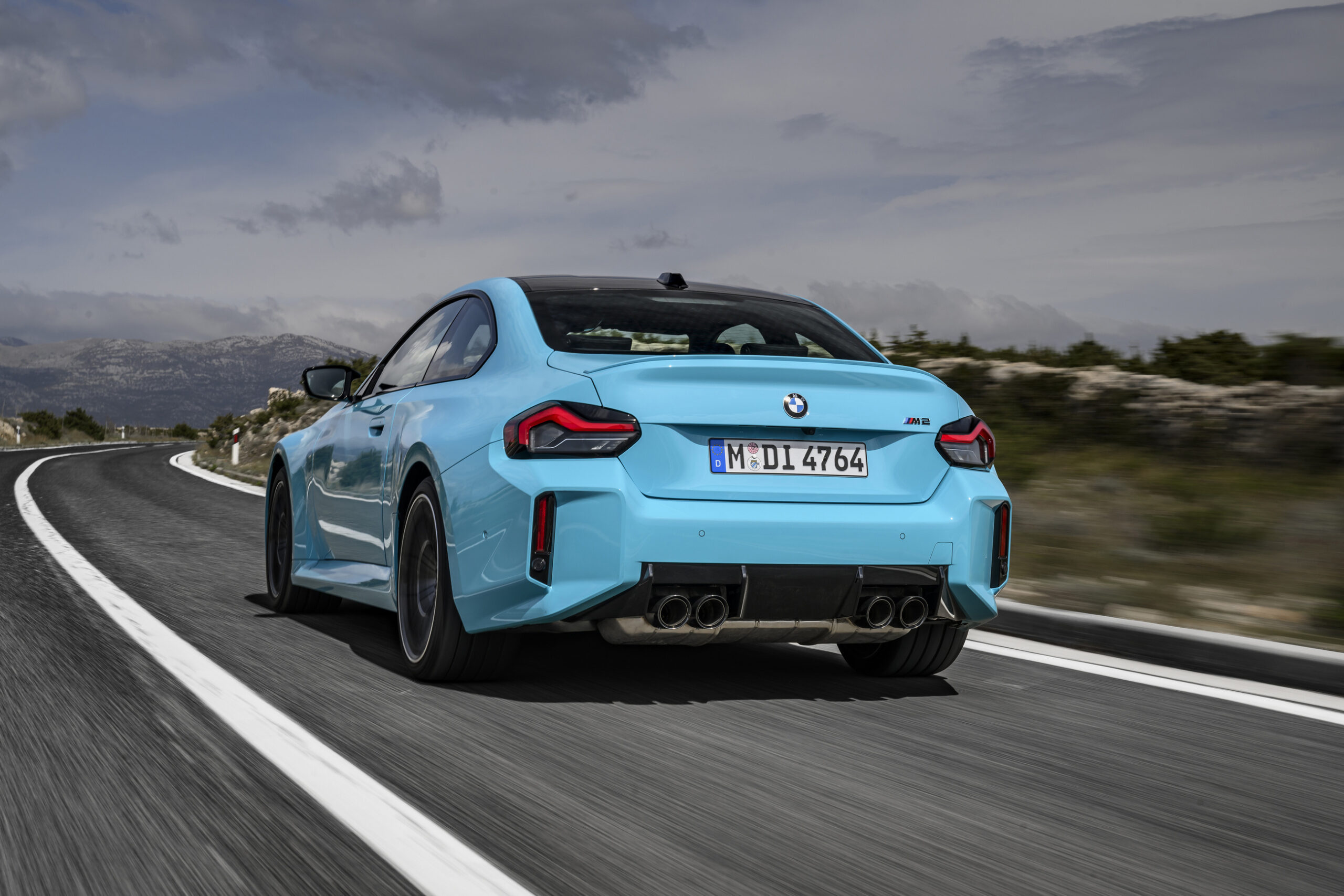
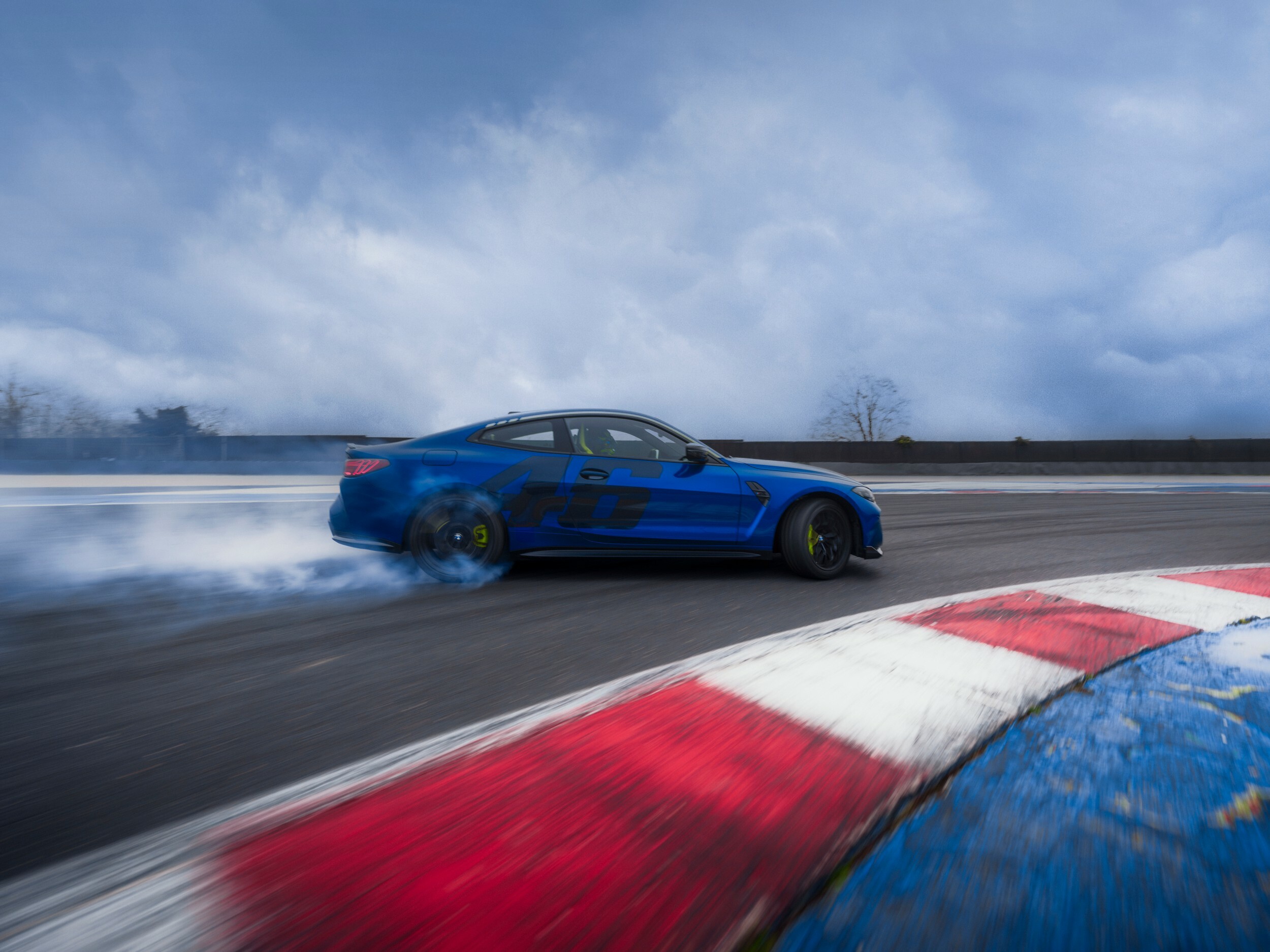
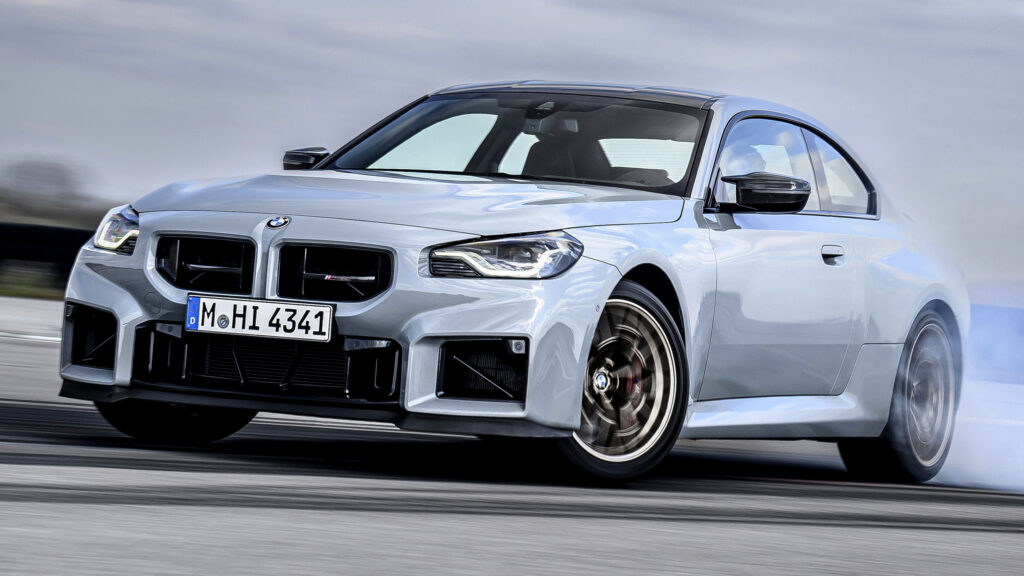
In a world where performance cars increasingly feel sterilized, it’s good to see that BMW remains committed to ensuring that driving is fun. Of course, models like the BMW M2, M3, and M4 can all be quite tail-happy when in the correct driving mode, so we’re not convinced it needs to manipulate a car’s suspension to make drifting even easier.
Will It Become A Reality?
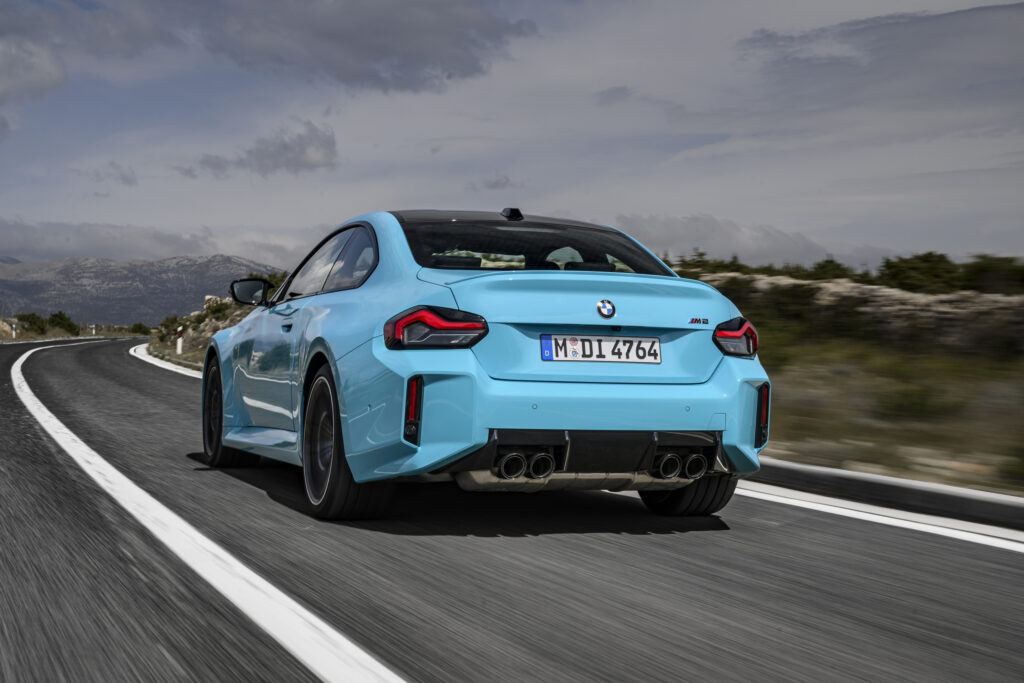
If BMW is sensible and eventually releases a system like this, it’d be wise to geo-restrict it to racetracks or private roads, ensuring that owners don’t start using the suspension technology to slide around local roundabouts and through residential streets.
There’s no mention in the patent of whether this technology will see the light of day or, if it does, which vehicles could use it. A possible candidate could be the all-electric M3, featuring quad motors that BMW has previously said will enable complex torque vectoring to improve handling dynamics.