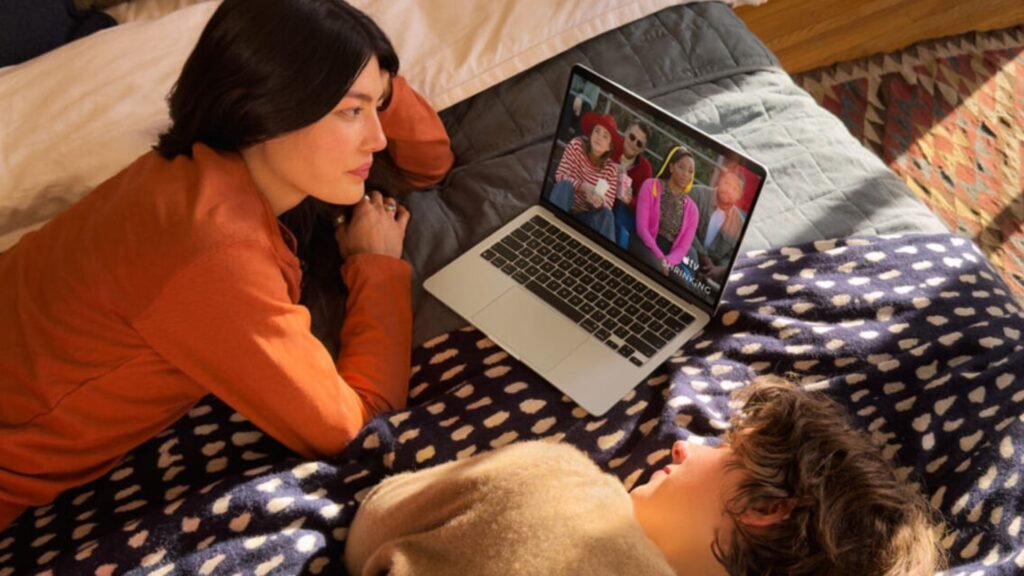

Apple’s best-selling laptop, the MacBook Air, is facing severe inventory shortages that have pushed ship dates for base M5 models into late August and early September. According to Bloomberg’s Mark Gurman in his Power On newsletter, an industrywide memory crunch—driven by skyrocketing enterprise demand for AI data centers—has expanded beyond niche computers like the Mac mini and Mac Studio to hit Apple’s primary volume driver.
Retail store sources describe shipment levels for the laptop as more constrained than they can ever recall. Online orders show unprecedented month-long delays for a machine refreshed just last March. Specific combinations of screen size, color, and memory are sliding into early September.
MacBook Air ship dates slip into September
To manage the inventory crunch, Apple delayed its usual annual back-to-school promotion from June. Across its website and physical stores, Apple is prominently steering shoppers toward the entry-level 14-inch MacBook Pro instead. The firm is even adding a rare disclaimer in marketing materials warning that the “MacBook Air is subject to availability.”
Apple has already responded by raising prices by a couple hundred dollars across its lineup. They also requested US permission to purchase memory from a blacklisted Chinese supplier for units sold in China. Prioritizing the entry-level 14-inch MacBook Pro helps clear manufacturing capacity for an anticipated M6 chip refresh coming this fall. Because the memory crunch affects the entire semiconductor industry, switching to Windows laptops offers no relief from the same underlying supply bottleneck.
Pivoting smart glasses toward health and fitness
While supply chain teams manage laptop inventory, Apple’s Vision Products Group is laying the groundwork for its next major wearable category. When developing the original Vision Pro, Apple designed an integrated Apple Fitness+ experience featuring body-tracking technology to analyze workout movements. However, technical hurdles and device weight prevented the feature from launching.
Apple is now adapting that concept for future smart glasses—following the same playbook that transformed basic AirPods into certified hearing aid tools. Built-in sensors will record body movements and health metrics over time, even if first-generation glasses launching next year lack these features at debut.
A recent job listing for a “strategic product design leader” within Apple’s Vision Products Group confirms these plans. The hire will define health, well-being, and fitness experiences across spatial computing and consumer wearables. It requires experience developing sensor-driven health platforms. Adding health tracking gives Apple a way to expand its wellness ecosystem beyond the Apple Watch and AirPods, creating a distinct edge over current smart glasses like Meta’s Oakley offerings aimed at cyclists.
The post Apple Struggling to Keep MacBook Air in Stock as Ship Dates Slip into September appeared first on Android Headlines.