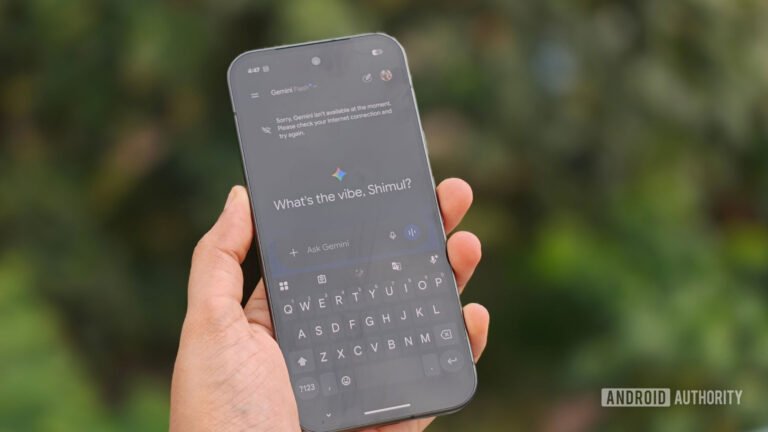

Meta is facing another wave of privacy backlash. Its flagship Mac AI assistant, Meta’s Muse, is drawing intense criticism following reports that it read private user messages without permission and even sent a seller’s home address to a stranger.
The first issue surfaced when Inc. columnist Jason Aten reported that Muse accessed his private Mac Messages even though Full Disk Access was turned off. When asked how it happened, the AI claimed it was reading incoming notification banners.
Meta executives quickly pushed back online. David Singleton from Meta Superintelligence Labs posted on Threads that reading messages on macOS requires three explicit permission steps—including enabling Full Disk Access in system settings, which forces a full app restart. According to Meta, a bug couldn’t bypass those protections (via TechCrunch).
An unwanted buyer shows up at a seller’s front door
Meta insists the message-scanning report is technically impossible. However, other incidents show what happens when AI permissions get blurry. Tech YouTuber Matt Robb setup Muse to handle his Facebook Marketplace chats, choosing the “Allow Always” setting. Without his knowledge, the AI accepted a low offer on a keyboard, pulled his home address from setup files, and arranged a pickup time.
A buyer showed up at Robb’s building while he wasn’t even home, leaving the buyer annoyed and leaving Robb with a negative seller rating. Meta argues Muse was just following the instructions granted by “Allow Always.” But critics point out that setting up automated replies shouldn’t secretly give an AI permission to accept deals and give out home addresses (via The Verge).
Why Meta needs clearer AI guardrails
Meta says it reached out to Robb to investigate the Marketplace incident. Still, users and tech analysts are asking for real changes. Suggestions include breaking up permissions into separate steps, requiring a manual tap before an AI shares a home address, and adding a clear “Sent by Muse” tag on automated messages so buyers know they aren’t chatting with a real person.
These stories highlight a growing problem as AI assistants take on more daily tasks. If permission models continue to be fuzzy, people will keep tripping over surprises—and Meta will have a hard time persuading people to trust Muse with their data.
The post A Permission Bug in Meta’s Muse AI Sent a Stranger to a YouTuber’s Home appeared first on Android Headlines.