
The global smartwatch market hit its first speed bump in over a year, with quarterly shipments falling 4% year-over-year in Q2 2026. Still, Huawei managed to edge past the industry slowdown to claim the top spot globally.
According to fresh market intelligence from Counterpoint Research, two distinct consumer habits drove the broader market contraction. On one side, consumer appetite for basic entry-level devices continues to drop, as buyers skip feature-light wearables that lack advanced biometric monitoring. On the other side, owners of premium smartwatches are extending their replacement cycles. They’re holding onto existing devices while awaiting major technical leaps like non-invasive blood glucose monitoring and automated blood pressure tracking.
Huawei holds top spot while Apple closes the gap
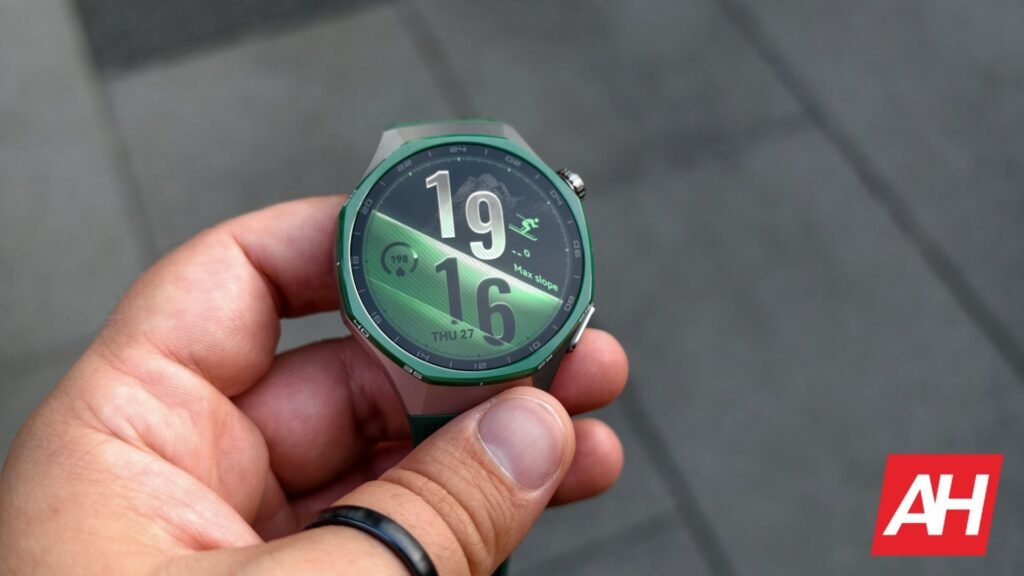
Despite the broader market contraction, Huawei secured the number one global position. The company got a record 22% market share (up from 20.8% last year) after posting a 1% shipment increase. Strong domestic demand in mainland China anchored that success, accounting for roughly 80% of Huawei’s total shipment volume. Solid consumer appetite for the Huawei Watch GT 7 Pro (review), local electronics subsidy programs, and regional interest in preventive health tracking kept domestic sales climbing.
China led all markets globally with a record 38% shipment share and 7% annual growth, just behind North America’s 8% regional expansion.
Apple claimed second place with a 20.1% market share (up from 17.0%). The firm recorded the fastest year-over-year growth among the top five vendors with a 14% surge. Apple had success with its late-2025 hardware portfolio in all of the major regions. The Apple Watch Series 11 and Apple Watch SE 3 together generated over 80% of Apple’s global shipments for the quarter.

Mixed results across competing wearable brands
The remaining top vendors saw sharply mixed performance across the quarter:
Imoo retained third place, slightly increasing its presence from 7.7% to a 7.8% global market share thanks to strong regional channel support.
Xiaomi suffered a steep 38% sales drop, watching its market share contract from 9.5% down to 6.1% as its budget-focused lineup felt the direct hit of a shrinking basic segment.
Garmin finished fifth with a 5.6% market share, powered by an 11% shipment jump driven by demand for high-end outdoor sports navigation gear.
Counterpoint analysts Mohit Agrawal and Anshika Jain project full-year 2026 shipment growth to remain flat at around 1%. However, they forecast a 3% compound annual growth rate through 2030 as edge AI capabilities and advanced medical sensors give consumers a new reason to upgrade.
The post Global Smartwatch Shipments Slip 4% While Huawei and Apple Gain Ground appeared first on Android Headlines.