LONDON — I emerge from a cab to a drizzly morning in Pall Mall, London’s elite Clubland. The neoclassical Oxford and Cambridge Club is at my back as I prepare to cross the road to Philip Mould Gallery, dealer in Old Masters (and some younger ones).
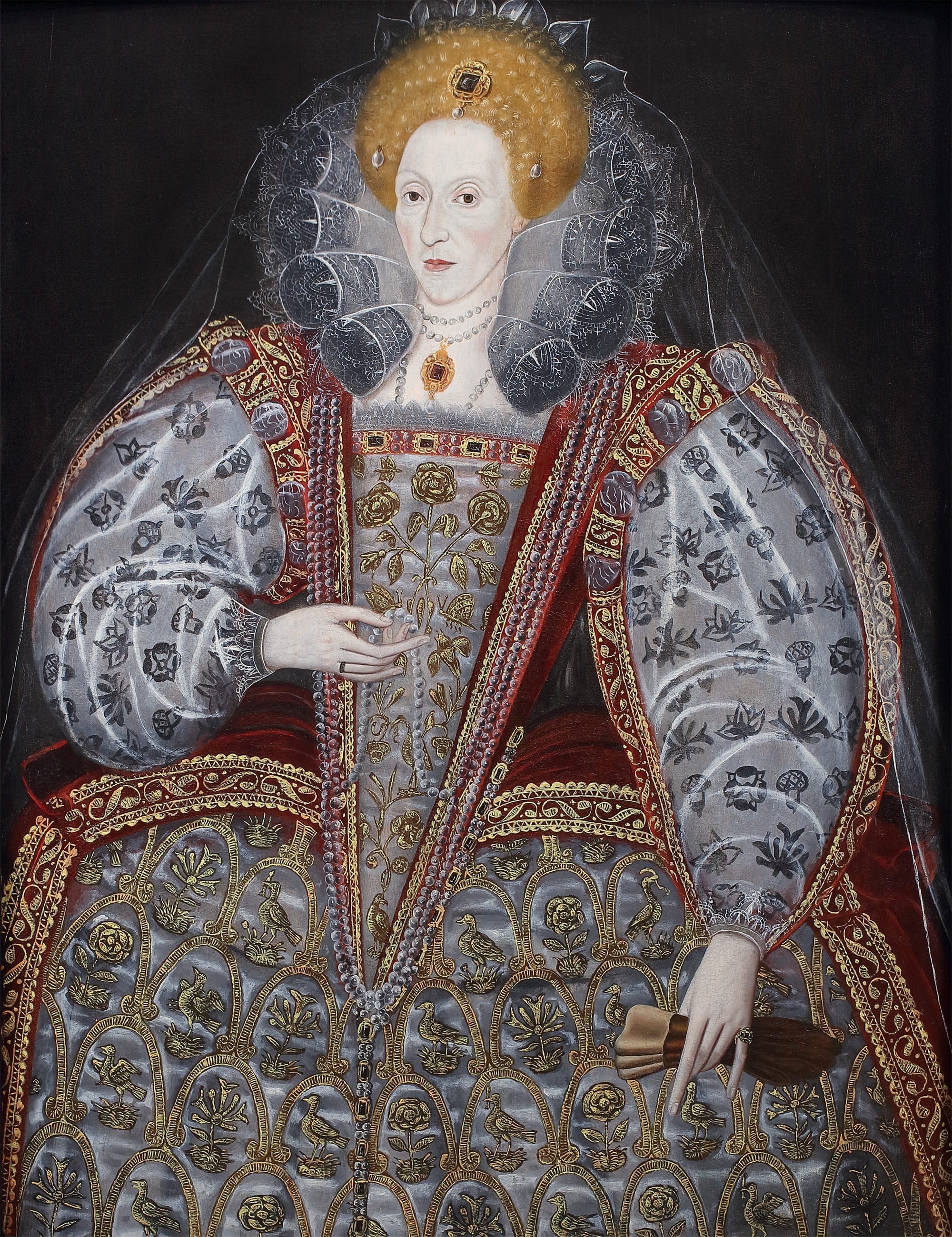
The generous basement gallery, housing an exhibition of paintings of Elizabeth I and her scheming courtly entourage, is a curious place. Its walls are covered in hessian cloth that looks almost warm, a plum color that one staffer, Libby Mould, tells me suits every kind of painting and spares the gallery from having to repaint the walls after each show. I come face to face with four paintings of Elizabeth I, ranging in age from fairly young to older and attributed to the English School. They generally hide away in private collections, so most are not widely seen or known.
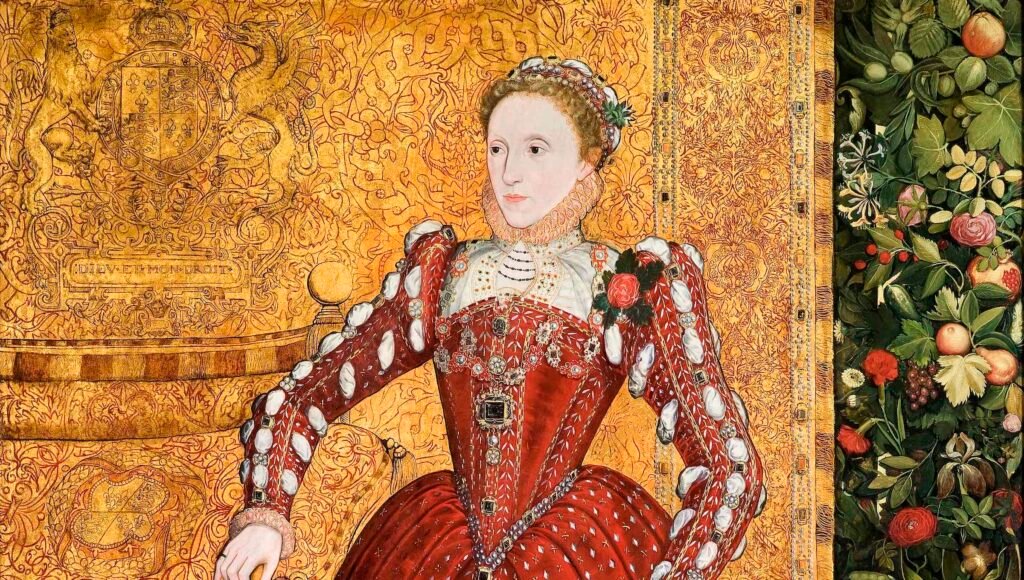
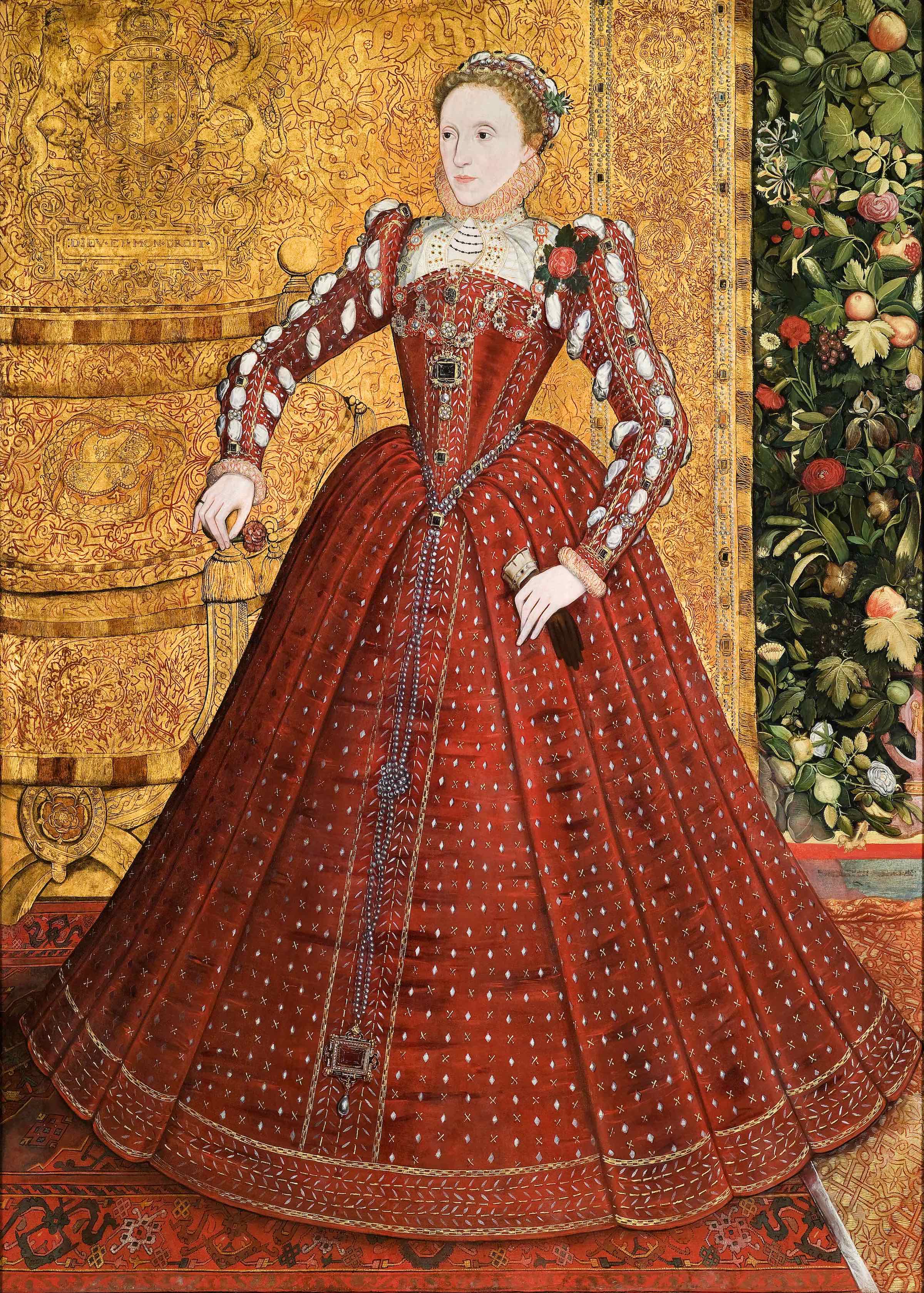
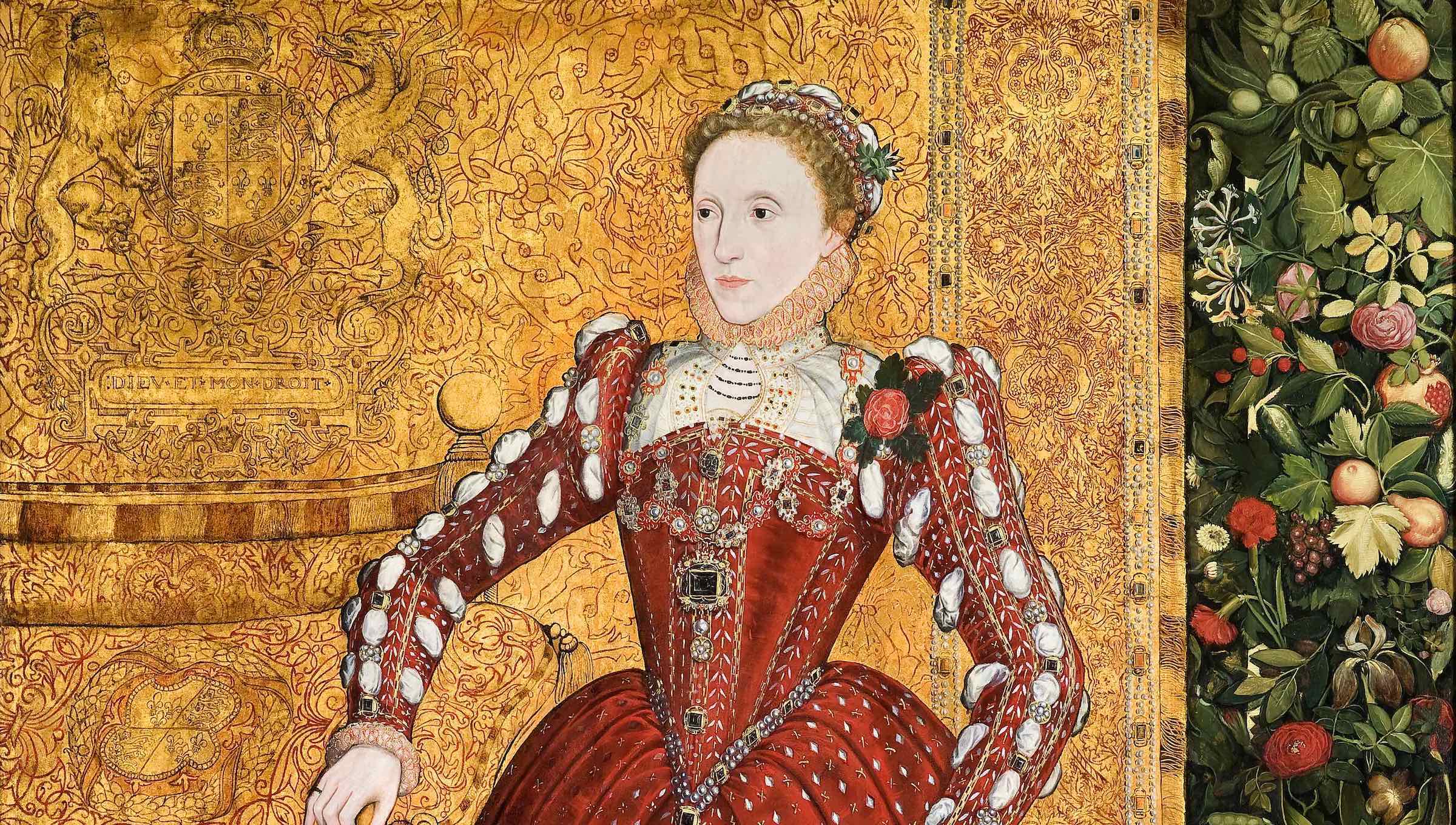
The primary concern of Elizabeth I: Queen & Court is the careful crafting of a royal’s image, and how influential the dissemination of that image can be. It takes us from representation on the warts-and-all end of the spectrum to a kind of self-presentation which speaks of elevation, authority, power, wealth, and the right to be regarded as a god in all but name.
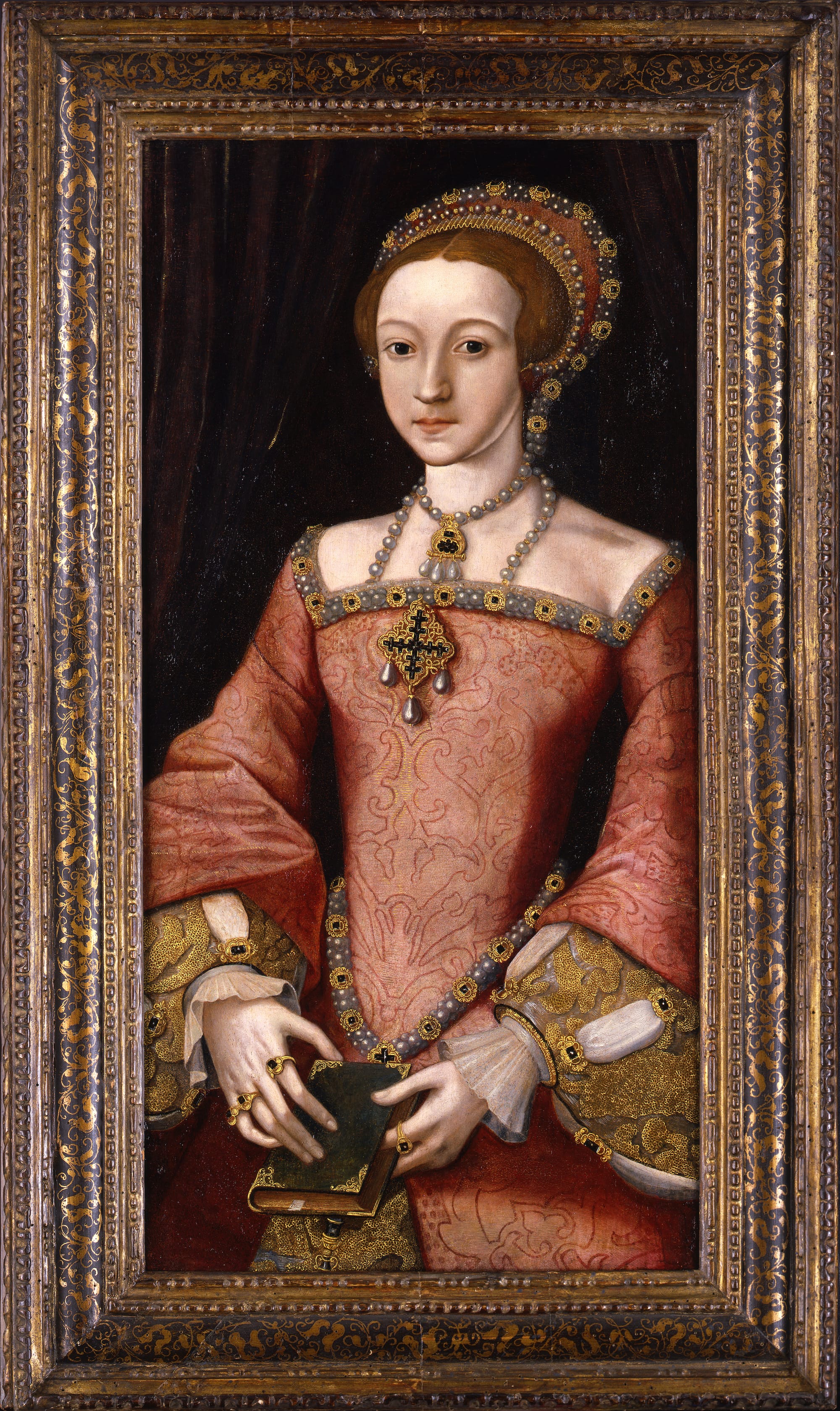
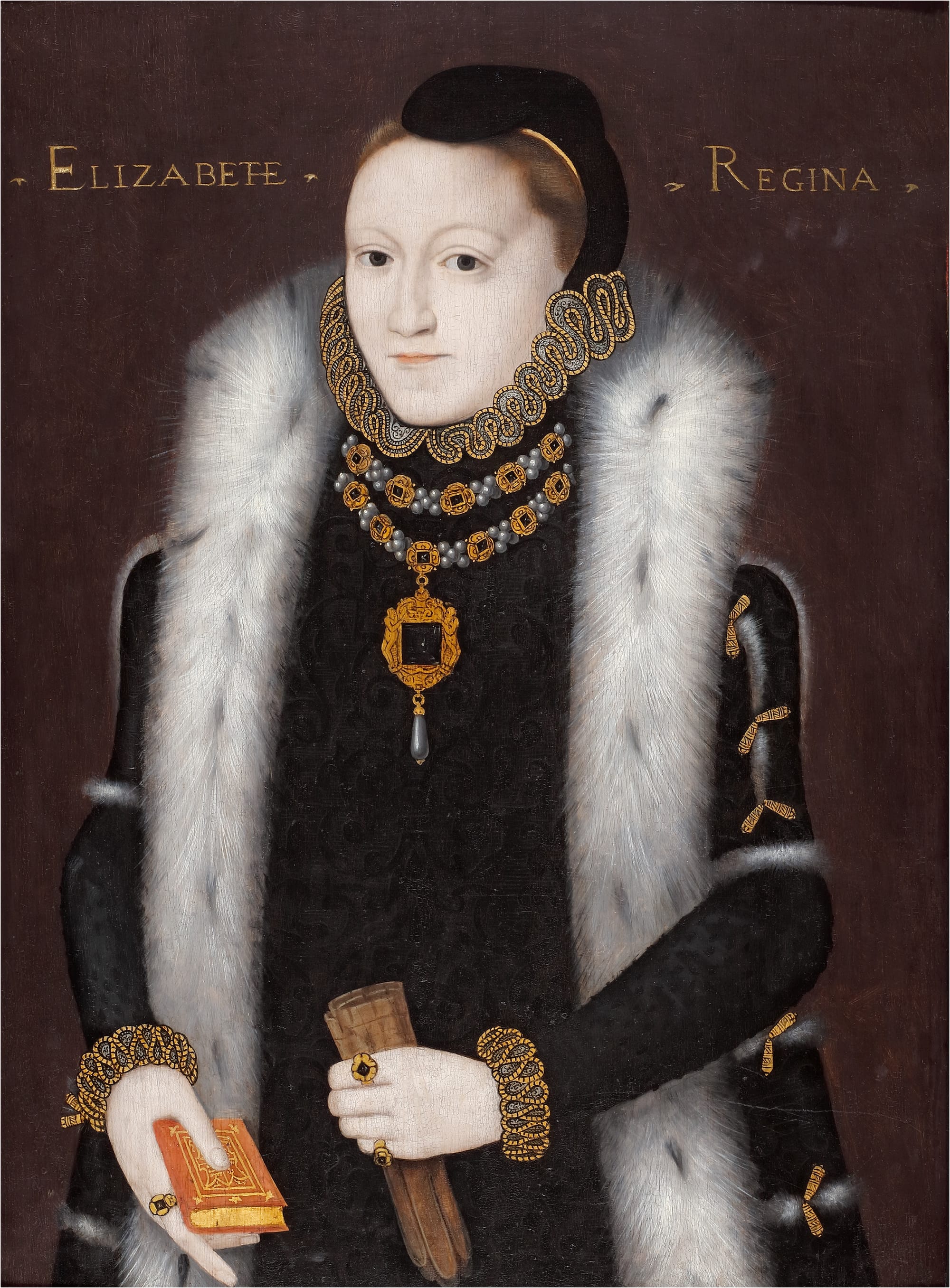
This was Elizabeth’s journey, and it begins with a sighting of her, newly elevated to the throne, in “The Clopton Portrait” (circa 1558) by an unrecorded artist. Here, she looks much akin to a mere mortal. Dressed in black, she looks modest, if not a little shy, and clasps a prayer book. She has adornments about her person — a square-cut jewel pendant around her neck, and a stole, for example, but she is not excessively tricked out with baubles by any means.
Now cut to the so-called “Virgin Queen” in her mature years in a painting from the 1590s on the same wall. Even the shape of her face, now narrow and tapered, seems to have changed. Her skin is almost ghoulishly pallid, close to marmoreal white, likely from her use of white lead and vinegar makeup to cover up her smallpox scars. Her regalia broadens her body to take in an extraordinary, if not excessive, range of symbolic detailing. Her arms are puffed out pneumatically. The gaze is glacial, impersonal. There is no question of human warmth or vulnerability. In fact, this is barely a human presence at all. It is a stony, rigid symbol of brilliant indomitability on the march.
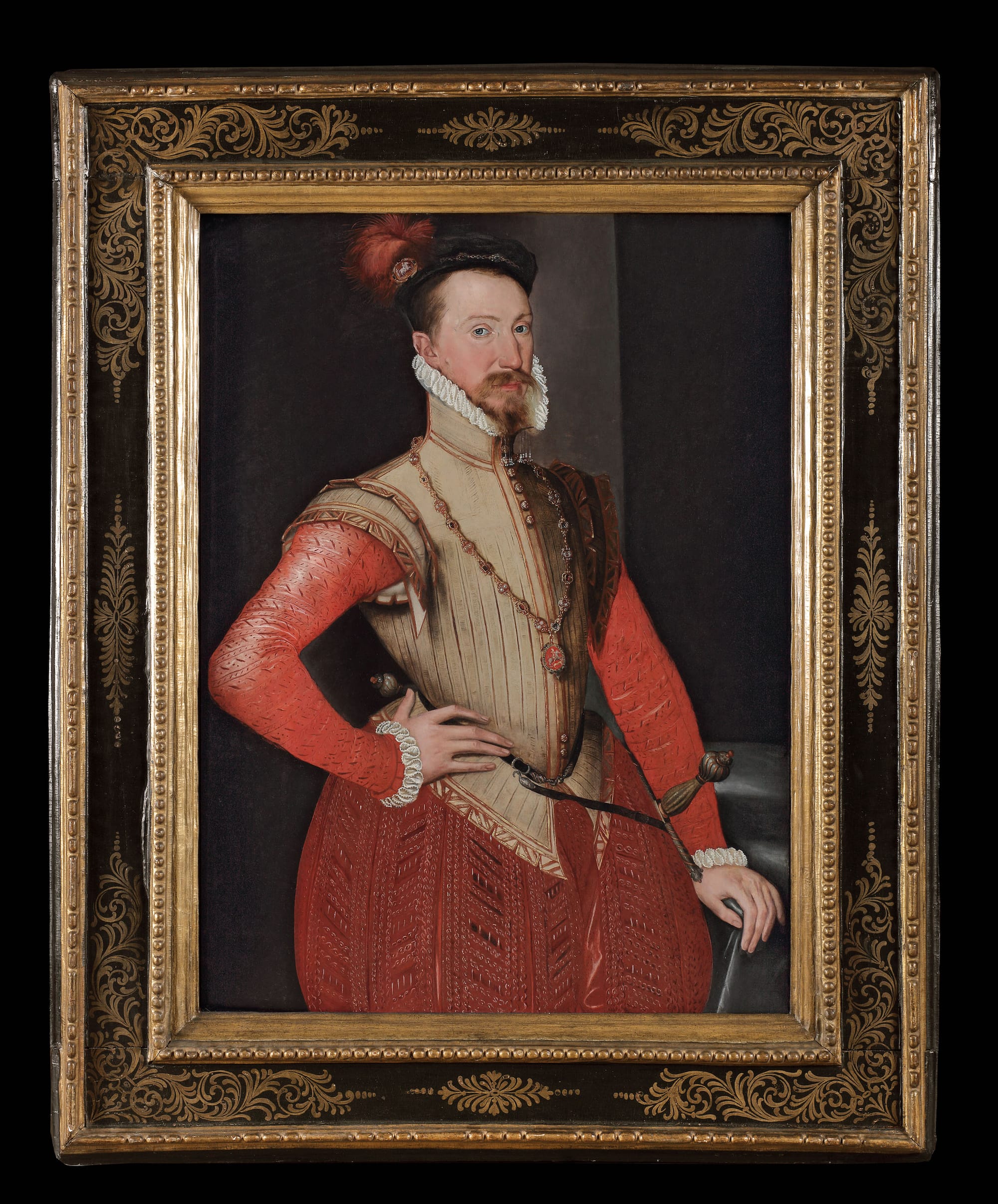
Other works deserving our attention in the show include portraits of William Cecil; Lord Burghley, her chief advisor and most steadying hand; and one of Robert Dudley, the Earl of Leicester, lavishly decked out to look like the favorite that he undoubtedly was.
These portraits together projected an image of a glittering queen of ruthless control, one example of which is visible in one of the two small side galleries. John Stubbs dared to pamphleteer that her majesty’s proposal to marry the Duke of Anjou, considered a filthy French Catholic, was unacceptable. His opposition, by word rather than the edge of a sword, was rewarded with the amputation of his right hand. Showing such disobedience was a dangerous game, and it is for this reason that the quietly rebellious portrait of Stubbs was concealed behind a sliding panel bearing a blander depiction of “The Three Graces.” On the reverse of that painting is a gruesome one of the severed hand itself, displayed as a solemn relic of Elizabeth I’s reign.
Elizabeth I: Queen & Court continues at the Philip Mould Gallery (18-19 Pall Mall, London, England) through July 10. The exhibition was organized by the gallery.