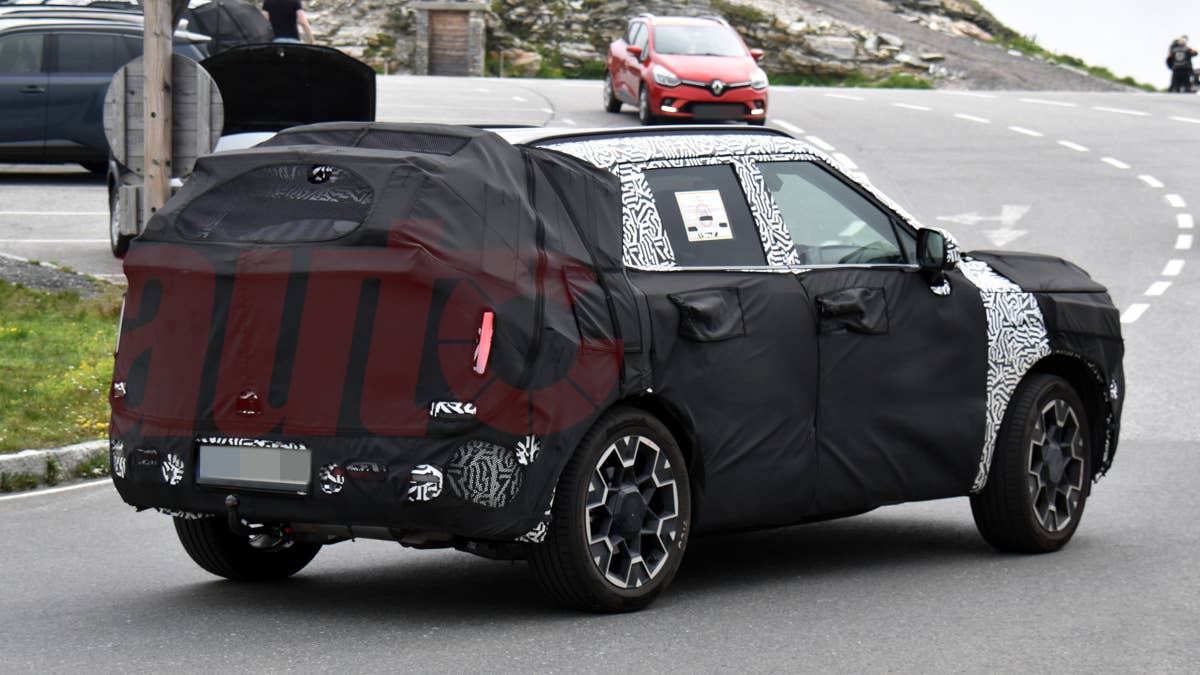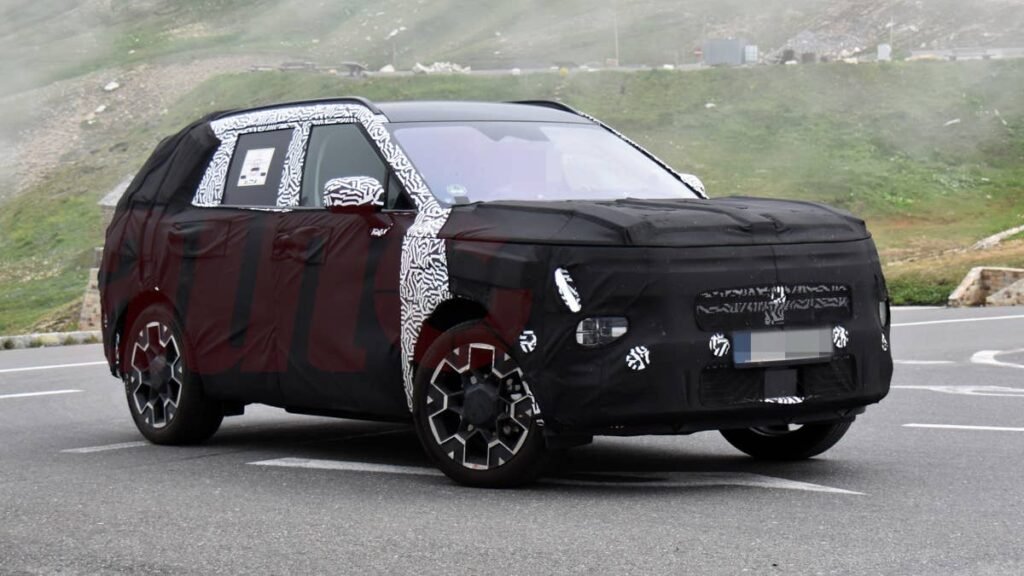
The upcoming 2027 Hyundai Tucson will be radically different inside and out, and the Autoblog spy photographers have managed to snap some new prototypes testing in the Austrian Alps alongside the current generation. While the bodies of these pre-production test mules are still heavily camouflaged with stuffed sheets to disguise the body lines, we have a good idea of what to expect; not only will the body be taking on a more rugged, utilitarian design to try to boost its image, with a boxier design related to that of both the existing Santa Fe and the Nexo, but the cabin will feature a completely new interface.
Harder Hyundai Tucson Design Aims to Replicate Others’ Success
Autoblog/SH Proshots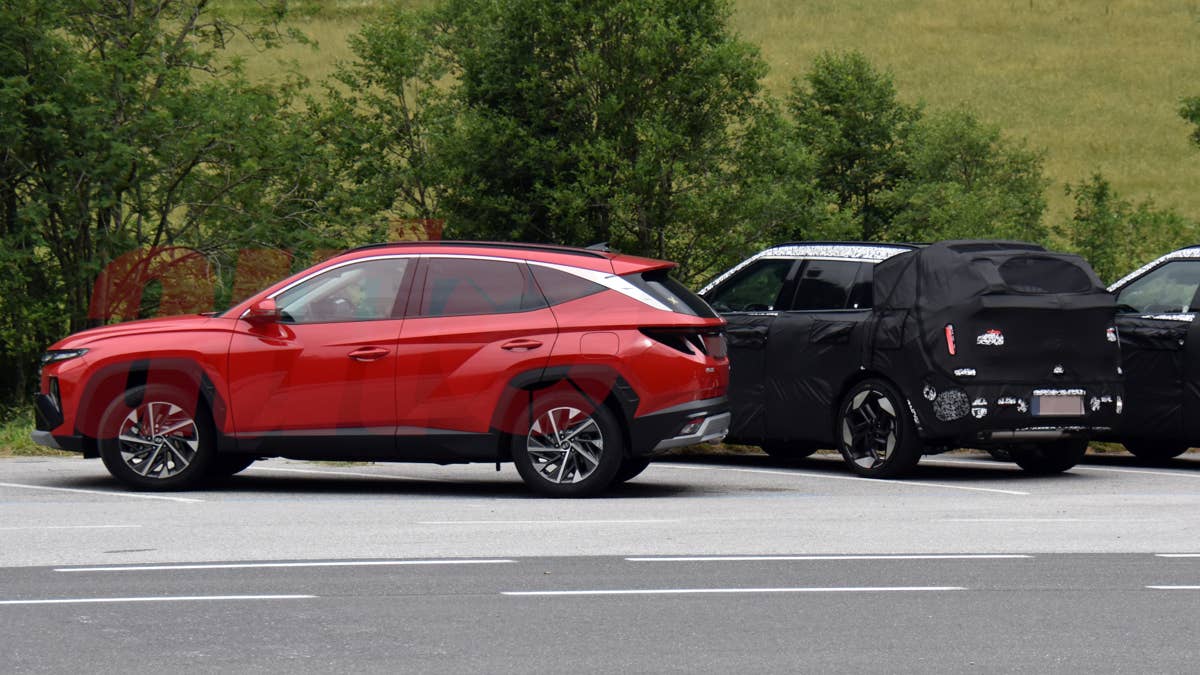
The existing Tucson is an attractive vehicle, but it’s perhaps a little too pretty, even in the off-road-biased XRT trim, and Hyundai wants the new model to appeal to more than just the city slicker. This may take time, but as the completely redesigned Subaru Outback shows, more aggressive looks can help attract new buyers. The next Tucson won’t be a Jeep Wrangler rival, but it should at least look more utilitarian, like the Toyota RAV4 or Honda CR-V Trailsport, for example, with sharper lines, a less curved roofline, bulkier and squarer wheel arches, and a longer hood. This may even be a clamshell to create a stronger front fascia with neater shutlines, and the lighting will feature slim DRLs rather than a plethora of grille-integrated LEDs like the current Tucson.
Autoblog/SH Proshots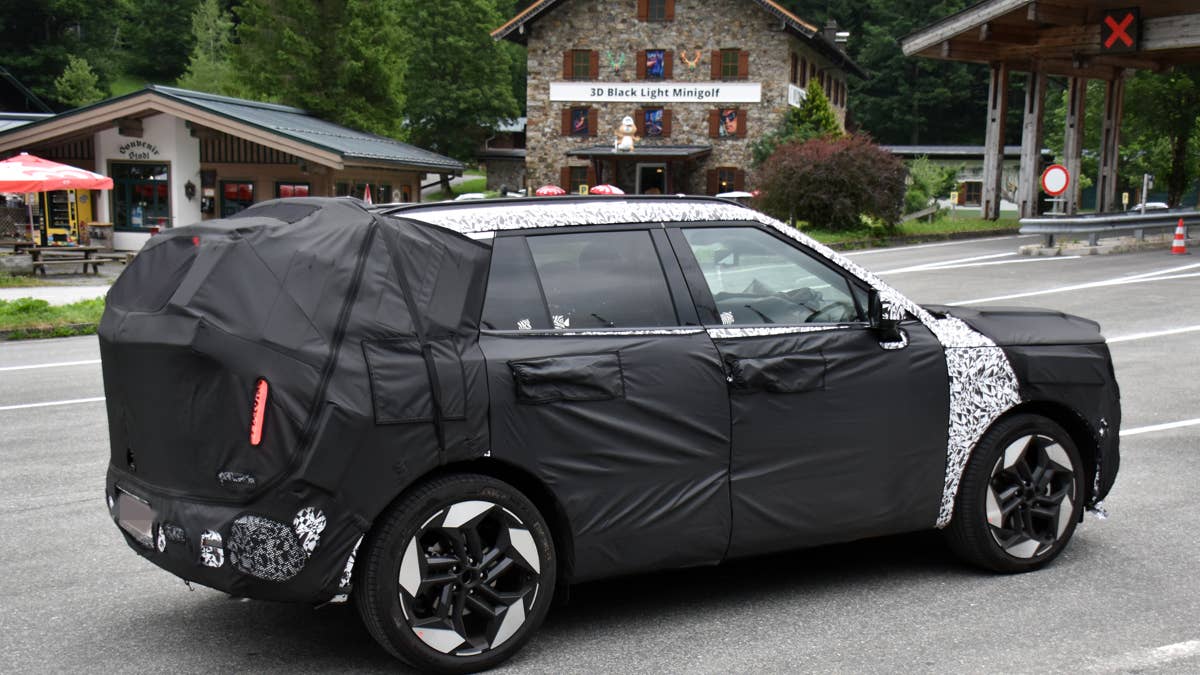
At the back, we see a full-width light bar, but it’s inside where the changes will be especially obvious. Basically, imagine the new Avante/Elantra crossed with the Santa Fe, and you should have a rough idea of what to expect. What will appear under the hood remains an unknown, but we expect new hybrid offerings, likely accompanied by turbocharged four-cylinders.
2027 Hyundai Tucson to Feature New PLEOS Infotainment
Autoblog/SH Proshots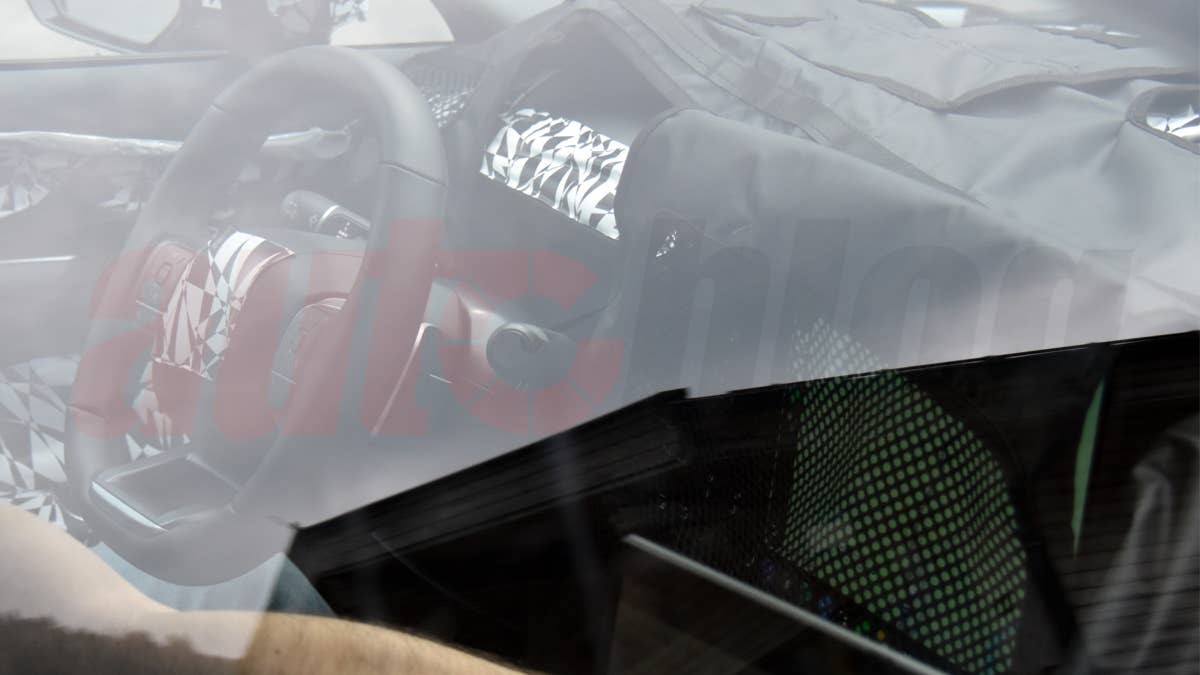
The big addition to all new Hyundais going forward is the new PLEOS infotainment system, which will pair a 9.9-inch, narrow bar of a driver instrument cluster with a huge 17-inch central touchscreen display. The Android-based operating system is said to have a smartphone-like interface and will offer an integrated app store to make vehicle integration easier. As is the trend with all automakers of late, AI will make an appearance through “Gleo,” an assistant that should allow for natural conversation when setting navigation routes or climate controls. Fortunately, the cabin will remain a button-rich environment, and that includes the steering wheel. Rather than opting for touch-sensitive haptic pads, normal buttons that you can feel your way around while keeping your eyes on the road appear on both horizontal spokes, though the wheel itself has jumped on the squircle bandwagon. We’ve still got a few months of spying before we learn exactly what Hyundai has planned for America and other markets, with a reveal expected in late autumn, but we’ll update you as more information becomes available.
Autoblog/SH Proshots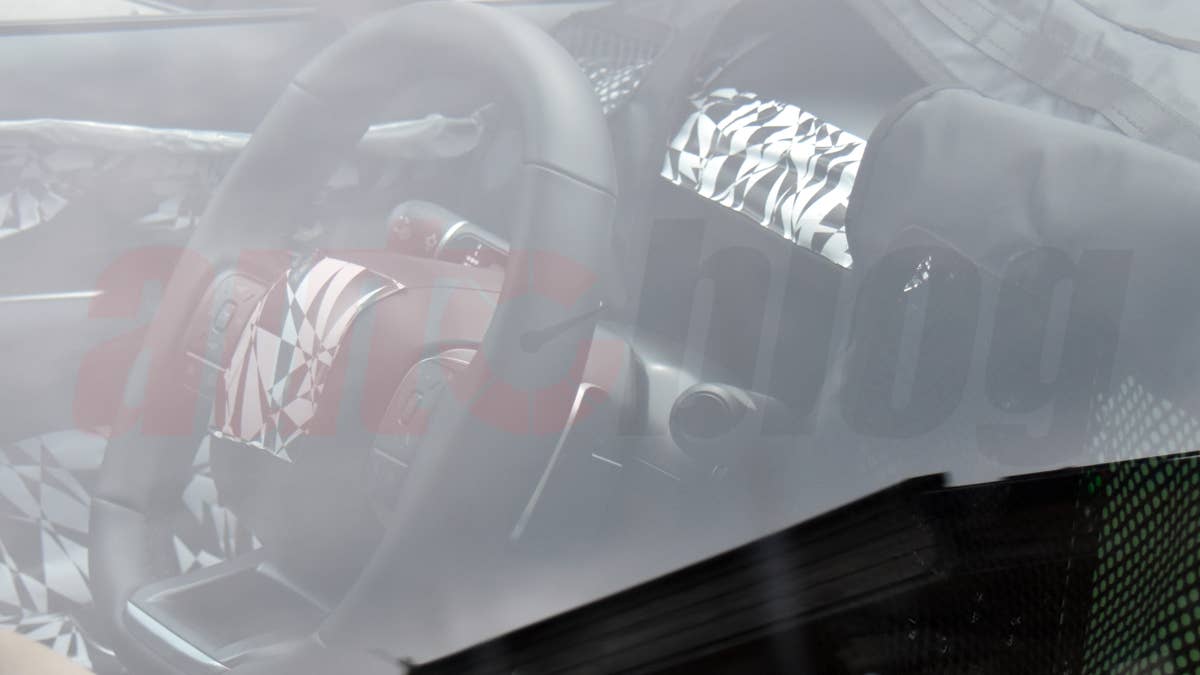
Autoblog/SH Proshots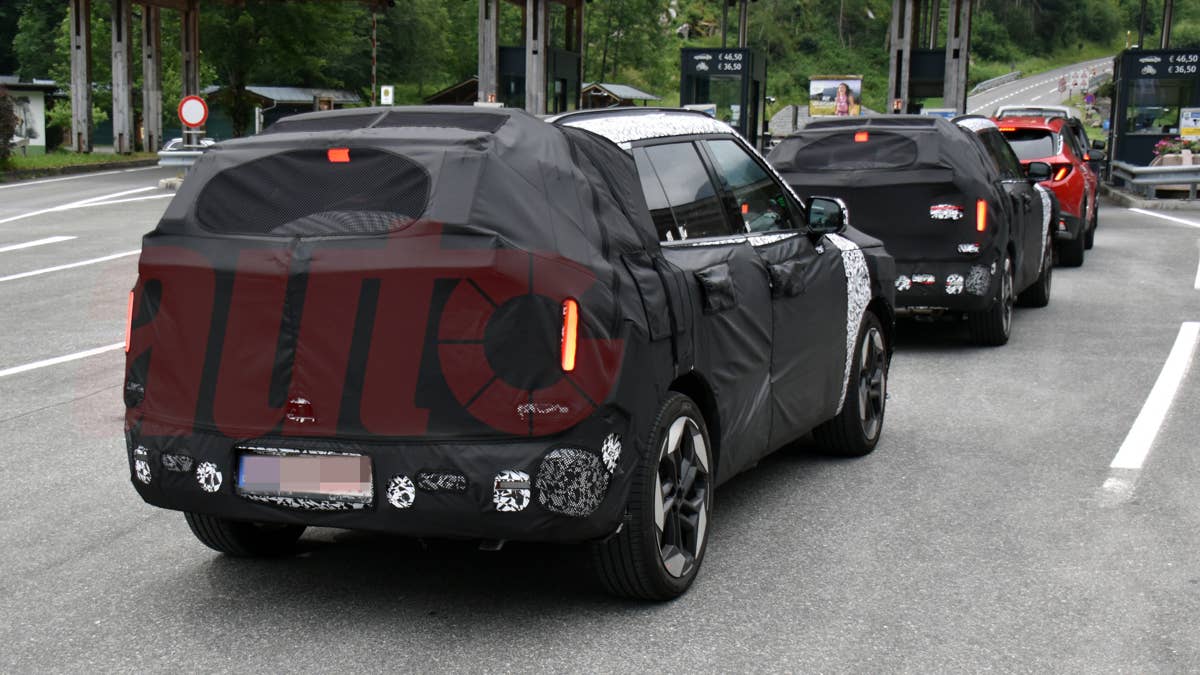
Autoblog/SH Proshts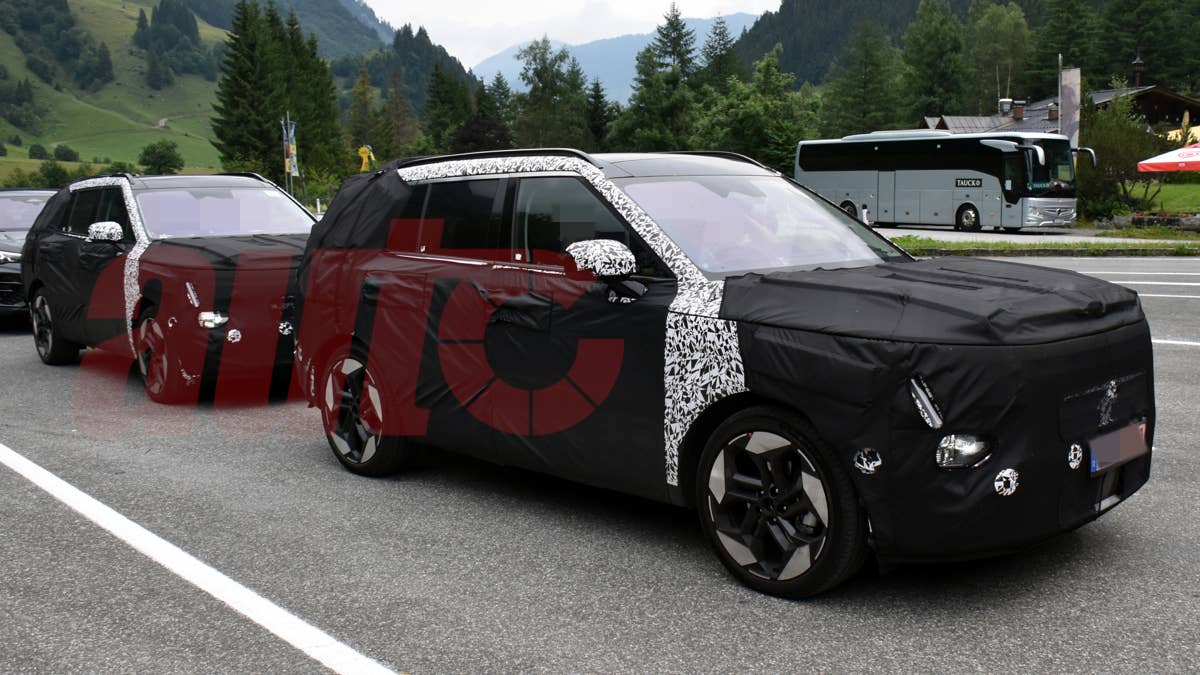
Autoblog/SH Proshots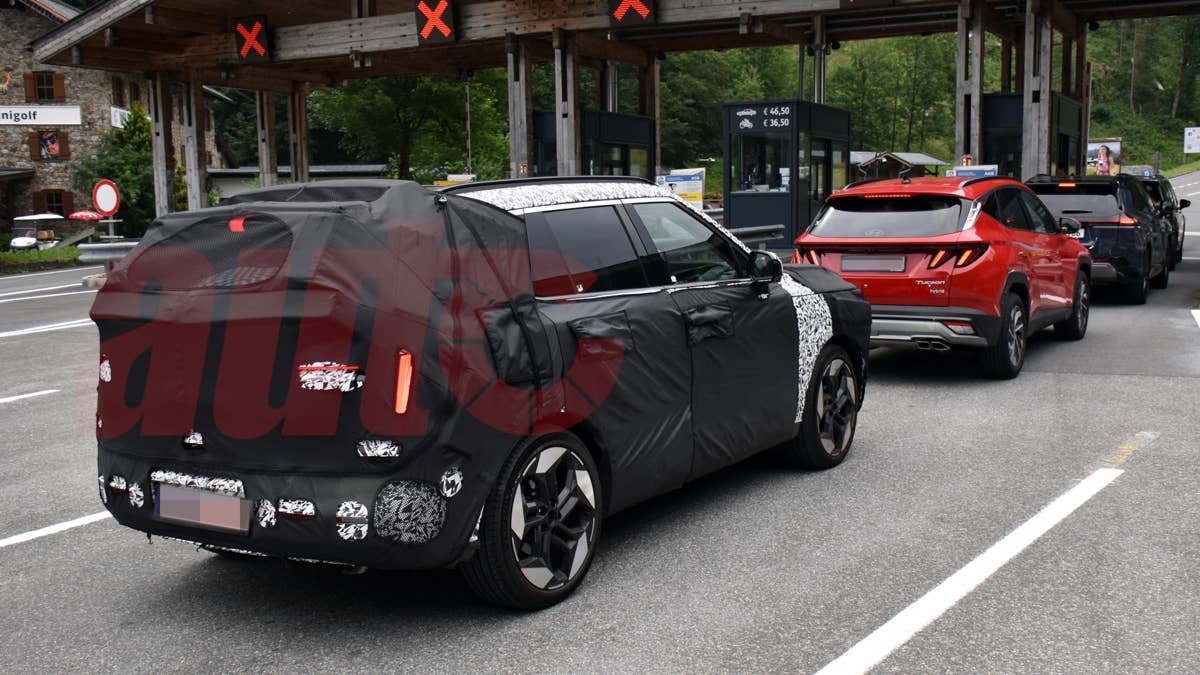
Autoblog/SH Proshots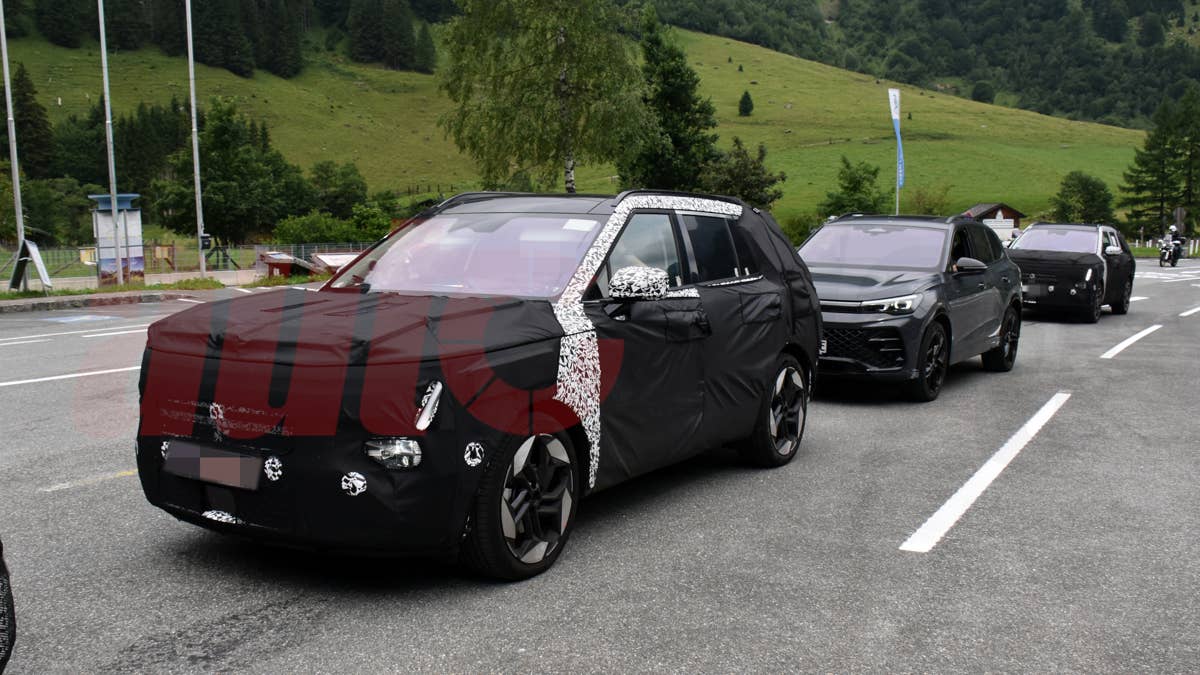
Autoblog/SH Proshots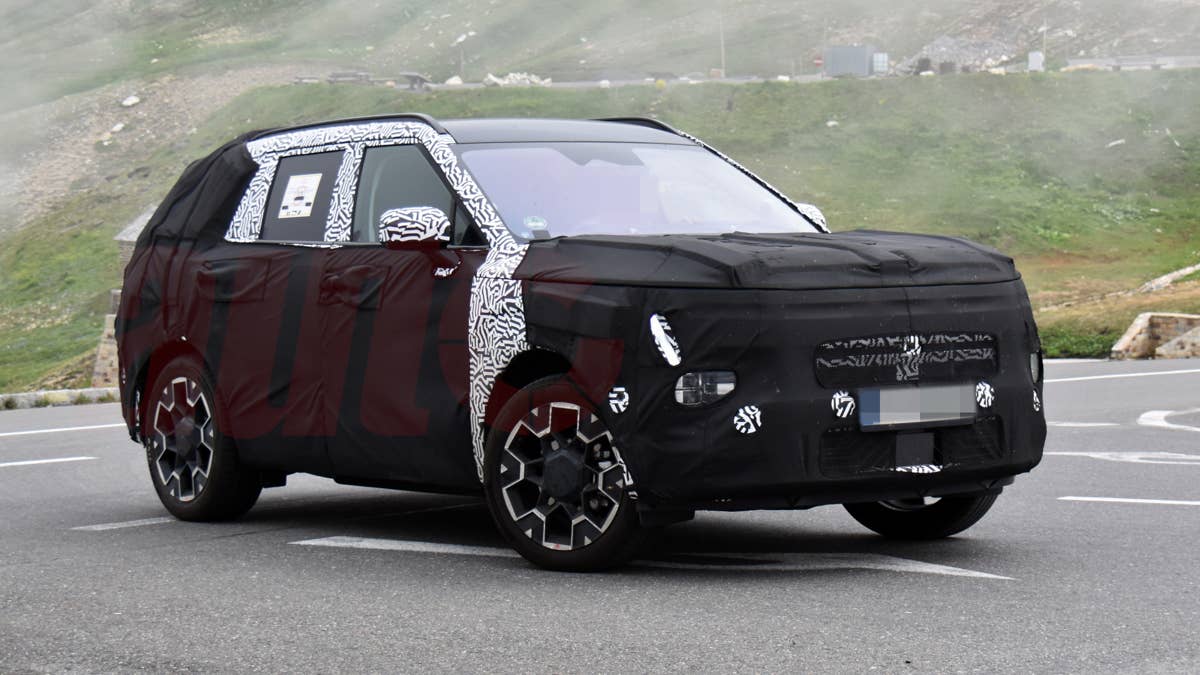
Autoblog/SH Proshots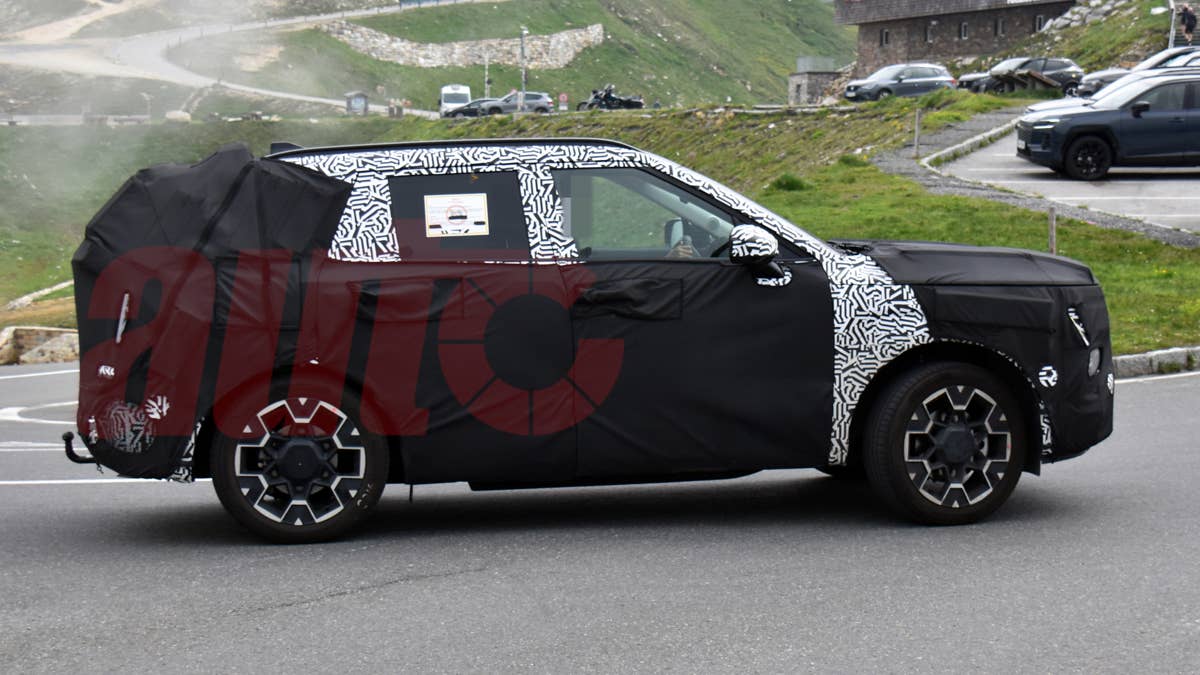
Autoblog/SH Proshots