The housing market is undergoing a type of reset. Despite this, the headlines keep mentioning mortgage costs and rising housing prices.
Tom Hallock, head of construction lending at Kiavi, recently provided some insights behind the headlines, discussing changes, macro trends, legislative issues and the outlook.

Q. The housing market feels more stable than the headlines suggest. What’s actually going on?
A. The market is the most stable I’ve ever seen it, even with the volatility we’ve experienced since the war in Iran began. There’s an adequate amount of supply. Only some markets are oversupplied, and 17 markets are back at 2019 levels. But buyers are starting to have some choice and are coming back.
Big public home builders have pulled back on buying lots, which has taken some of the volatility out of prices and reduced the overhang. That’s a meaningful signal. The real price is coming down.
The big story this year is stabilization, and I think the remainder of 2026 will be more affordable, with more options than people expect.
Q. How are interest rates and recent federal actions shaping the lending environment?
A. Interest rates are stable, so buyers can go in knowing what they’ll get. I would much rather see rates come down 10 or 20 basis points than 50, 60 or 70. If we drop to 5.5%, that means something is wrong with the economy. If we stay in the 6% range, that’s really good for the market.
There is uncertainty out there concerning tariffs, international conflicts and broader economic noise.
The primary beneficiaries of this uncertainty are small- to mid-sized builders and fix-and-flip investors. With large funds momentarily sidelined by regulatory caution, our clients are seeing a reduction in the “all-cash premium” they’ve had to compete with for years.
Q. Recently, federal legislation has been proposed that would force investors to sell Build-to-Rent (BTR) properties after seven years. What impact do you see this having on the BTR market?
A. Institutional investors currently own roughly 1% of single-family housing stock. Banning their acquisition of existing homes doesn’t remove demand. It simply reallocates opportunities to local and mid-tier investors, who are the backbone of the residential transition market. We view the current legislative friction as “political noise” that often precedes more sensible, supply-side compromises.
We anticipate a pivot toward “contiguous unit” exemptions. By exempting communities of 5+ units, Congress can protect the “Wall Street boogeyman” narrative while allowing the essential BTR pipeline to continue unabated. This is a nuance the market is already beginning to price in.
Q. What’s your outlook for BTR?
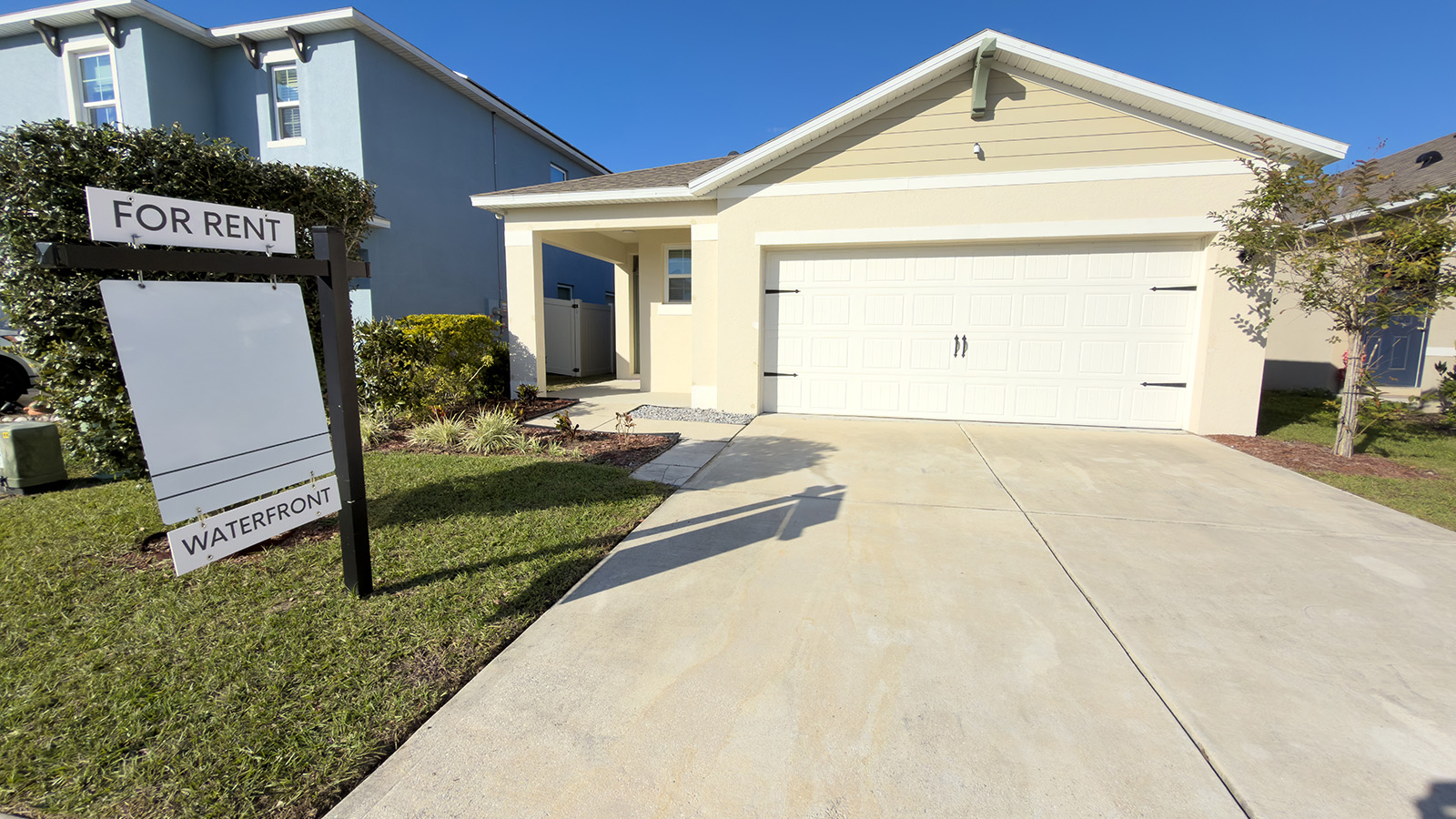
A. For the last few years, rents and purchase prices were so out of whack that it was better economics to rent than to own. But as prices come down and rents stabilize, that gap is closing, and BTR is beginning to pencil again.
The dominant model is the horizontal multifamily: a single property where, instead of a four-unit walk-up, you build a mix of single-story and two-story cottages, creating a kind of gated community. This model is a nice alternative to apartment living, is Fannie/Freddie financeable, and will continue to lead the BTR market.
Horizontal multifamily is attractive to two demographics: single women, often with dogs, and young families who aren’t yet able to afford a single-family home.
It really comes down to the fact that the gap between renters who want to buy and those who can is a lot wider than it might seem.
Q. What are some final thoughts?
A. I keep banging the drum on supply. My concern is that the overreaction to markets like Austin or Florida, where supply outpaced demand and prices fell, will be: “Too much supply is bad.” But isn’t affordability what we wanted? If people stop building, we cycle back into scarcity, and prices will escalate again.
What gives me confidence is that momentum is coming from multiple directions at once. States are creating pathways for density and new construction that didn’t exist a few years ago. The federal government is engaging with housing affordability in ways that go beyond the traditional HUD conversation, and private lending is well-positioned to be a meaningful source of capital. I’m excited about where this is heading.
This article can also be found on ApartmentBuildings.com.
The post Digging into BTR and Housing Trends with Kiavi’s Tom Hallock appeared first on Connect CRE.