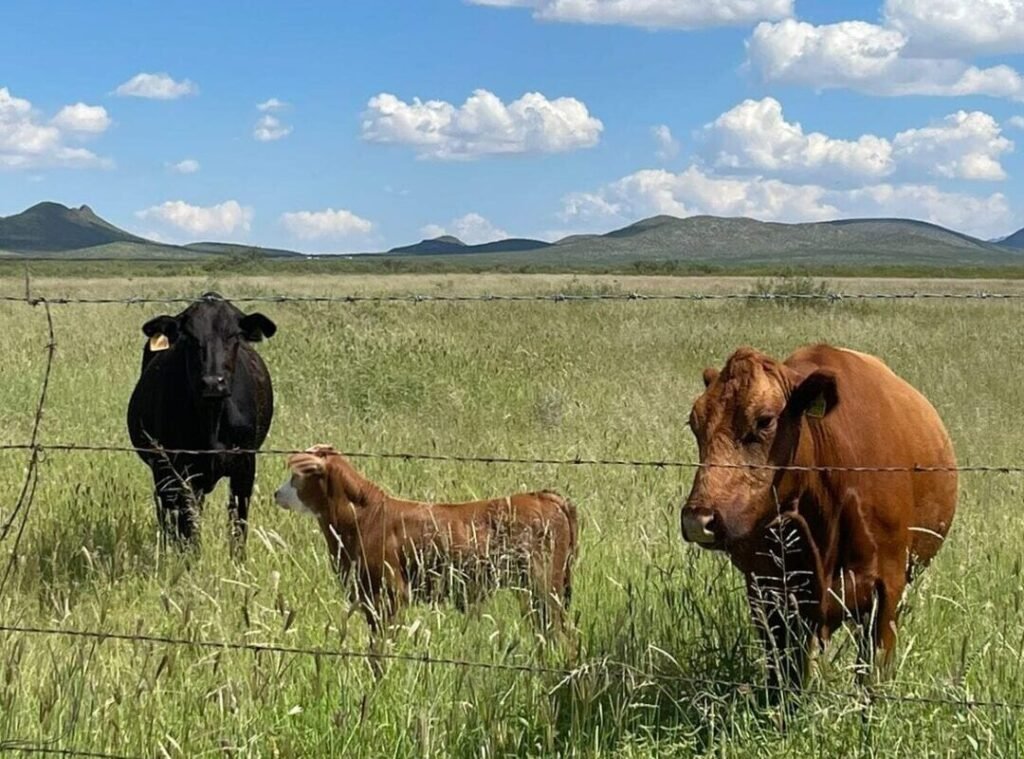
After years of implementing regenerative practices across their land, ranchers in Mexico are reaping financial rewards via Boomitra‘s Northern Mexico Grasslands Restoration Project.
Carbon removal project developer Boomitra recently began payments following Verra’s February 2026 issuance of 3.03 million credits from the project which, thanks to buyers including Deloitte NSE, the Ethereum Climate Platform, and Restoration Climate, have turned into actual financial returns for ranchers.
“Behind every credit in this issuance is a rancher who put in years of patient work to restore the ecosystems their families depend on,” says Boomitra founder and CEO Aadith Moorthy. “These payments are a meaningful recognition of the stewardship, science, and trust that have guided this project from the beginning.”
Reinforcing the loop
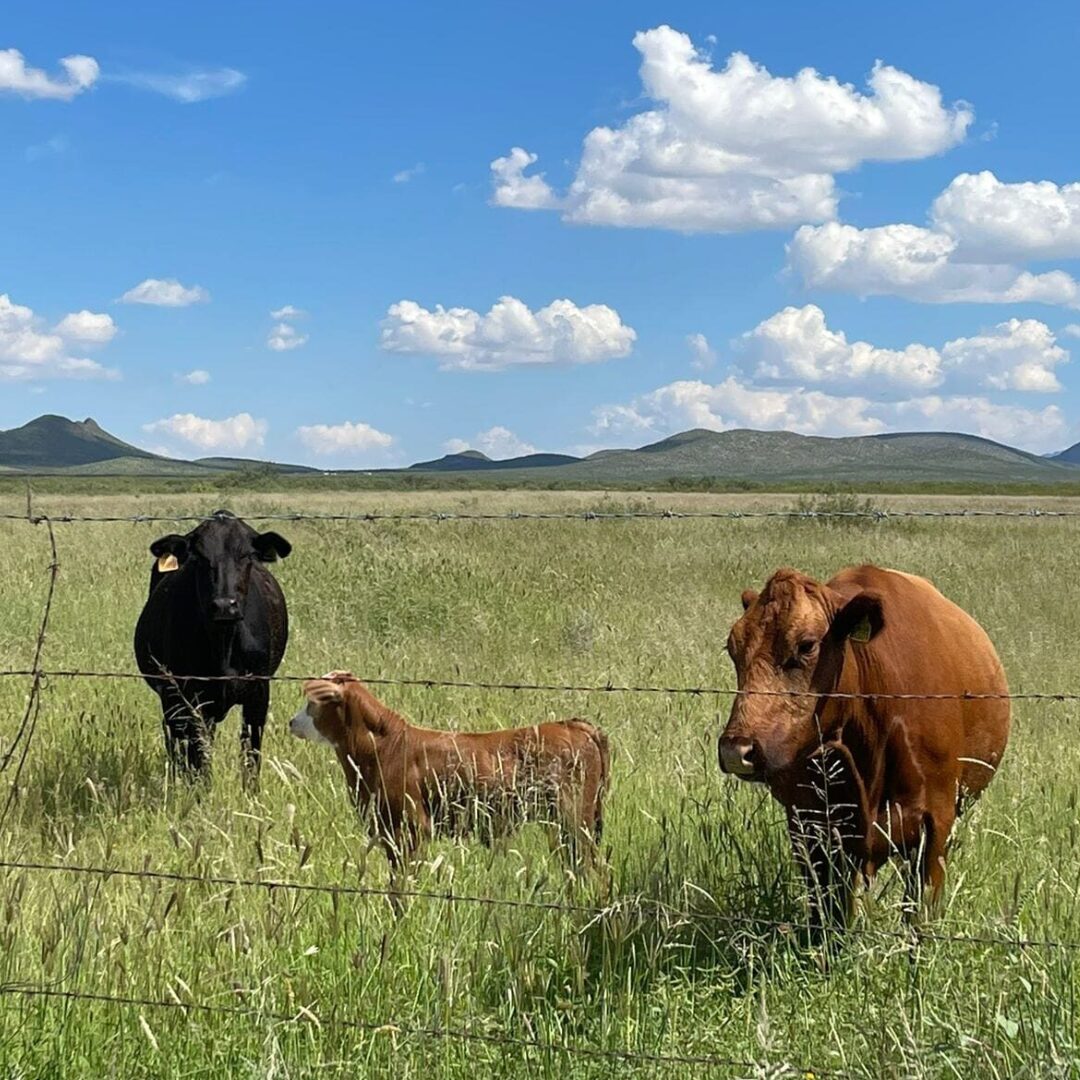
The Northern Mexico Grasslands Restoration Project began in 2018 and has increased in both acreage and participating landowners over time. It now works with 158 ranching families from community-owned ranches (ejidos) and privately owned ranches across the Chihuahuan and Sonoran desert grasslands.
This is a semi-arid region with significantly degraded soils, thanks to a few hundred years of overgrazing, Moorthy tells AgFunderNews.
“Recovery from that is what our project envisions and tries to manage on the ground.”
Boomitra works with ranchers and local partners to transition land to regenerative practices such as rotational grazing, which is known to increase the amount of carbon stored in the soil. The company’s remote-sensing technology combines satellite imagery, AI and an archive of more than 1 million georeferenced soil samples to monitor soil organic carbon on projects over time.
From this, Boomitra generates credits it sells into the voluntary carbon market, which companies hoping to offset emissions can purchase. Boomitra takes a cut of the sale for each credit but says “at least 75% of gross carbon revenue” goes to ranchers and their local implementation partners.
Moorthy says it’s important that these payments are “truly based on the credits that [the ranchers] already generated and issued. These are not prepayments to the farmers. These are just regular payments that come from the sales of the credits that are happening in the market on an ongoing basis.”
As these grasslands recover, they store more carbon, which in turn can generate more verified removal credits and greater financial returns, reinforcing the cycle, he adds.
Increasing herds through increased biodiversity
In addition to sending money back to the ranchers, Moorthy says the region is reaping multiple environmental benefits that enable ranchers to increase their herds and hopefully their bottom lines.
“After a certain period of degradation, the amount of livestock the land will handle becomes very small. But as you restore it, the amount of livestock the land can handle starts to increase slightly.
“Ultimately, it is shifting livestock production from less efficient operations to ones that can produce at much lower emissions per head of livestock.”
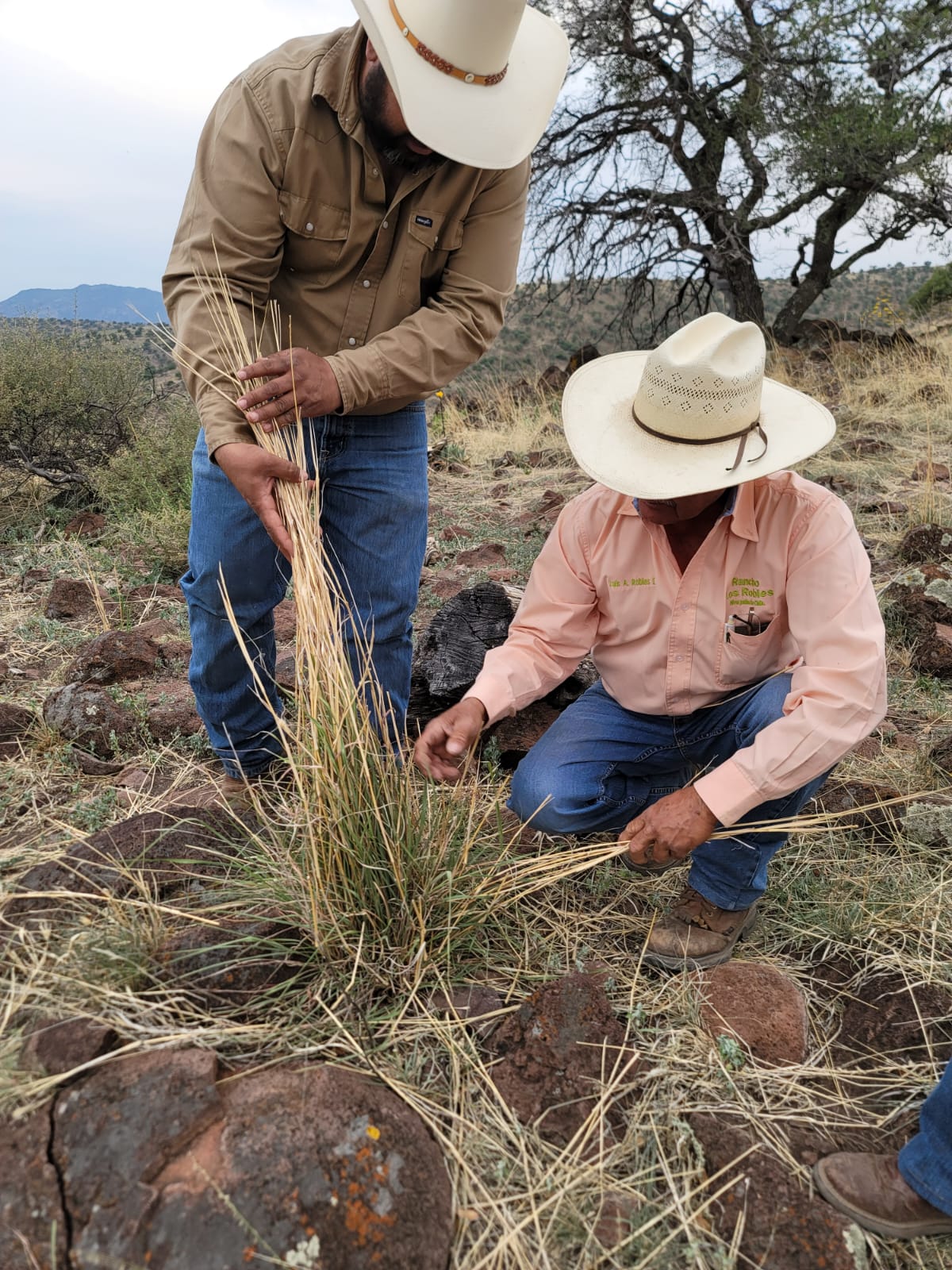
Beyond that, there are significant biodiversity benefits to the land, including greater variety of native grasses, which leads to more fauna and larger amounts of birds, mammals, and small reptiles.
Biodiversity assessments from the project documented 281 species of flora and 436 species of fauna, including 41 classified as rare, endangered, or threatened. The assessment also documented recovery of more than 60 native grass species at a single ranch where conventional grazing had previously reduced that number to one.
According to Moorthy, ranchers are eager to participate in the project, which has generated significant interest from landowners around the region.
“When you see that your neighbor is able to participate in such a program and earn money from it, this becomes a very interesting story.”
Unlike the US, where a row crop farmer might only break even from the sale of carbon credits, ranchers in Mexico receiving the same amount of money would see significantly more profit, he says.
“The same money in Mexico obviously goes a longer way than the same money in the US. They [the ranchers] tell their neighbors and [others] are interested in joining. It’s good positive momentum.”
Restoring soils worldwide
Boomitra runs carbon removal projects around the world, partnering with a mix of NGOs, producer networks, agribusinesses, CPGs, and governments to help farmers and ranchers transition to regenerative practices that build soil health and biodiversity in addition to storing carbon.
Every Boomitra project undergoes third-party verification against Verra’s VM0042 standard and the Social Carbon standard, both of which quantify emissions reductions and soil organic carbon removals. These ensure that projects comply with carbon market criteria around things like additionality (proof that carbon gains wouldn’t have happened otherwise), permanence (long-term storage of carbon), accuracy, and environmental and social co-benefits.
The success of the Mexico project has enabled Boomitra to do similar projects around the world, says Moorthy, who adds that the company has a similar-sized project in Argentina as well as projects in Kenya and India, and other parts of Latin America.
The post Boomitra hits major milestone as ranchers reap real financial gains from regenerative grazing in Mexico appeared first on AgFunderNews.