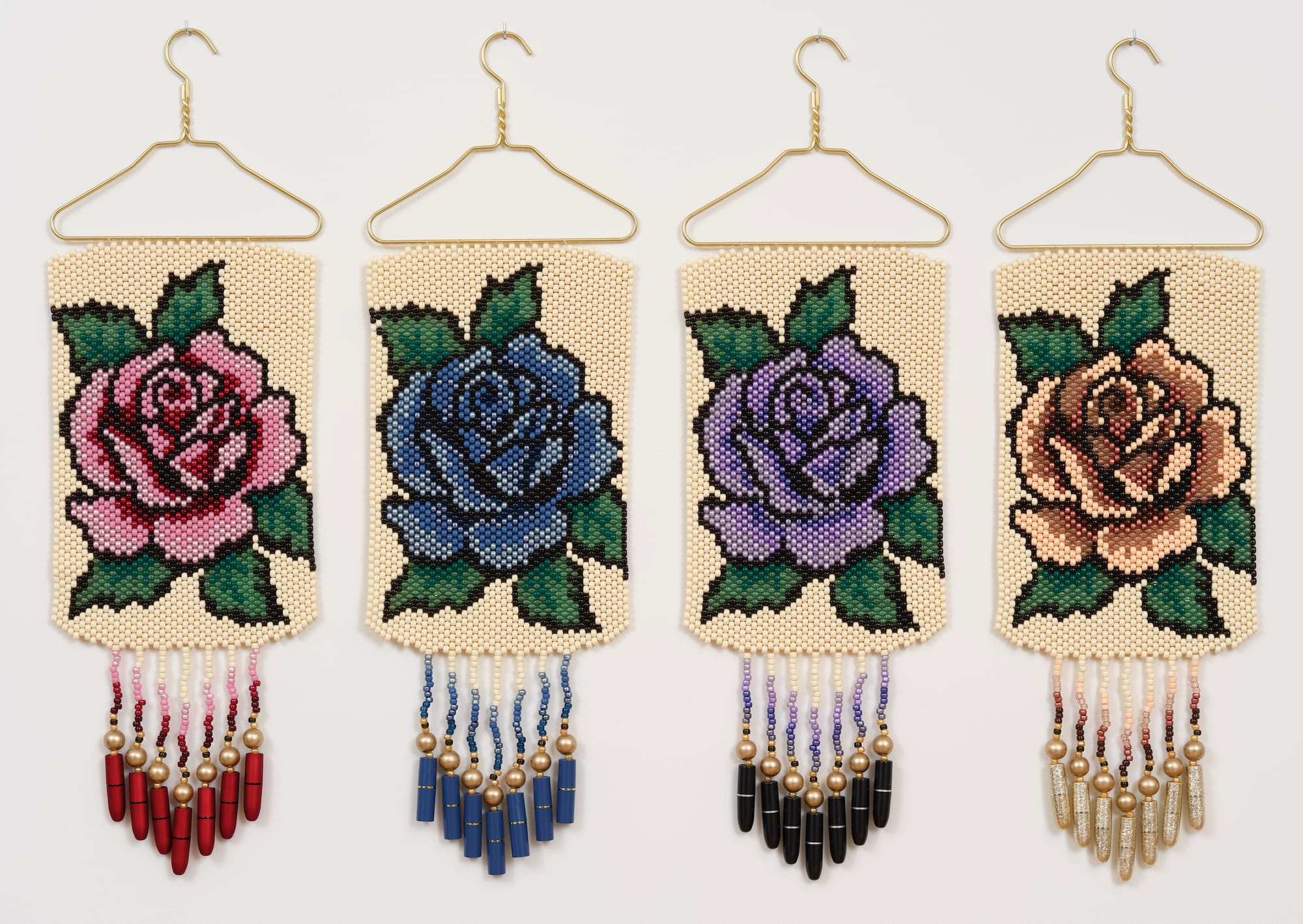
This July, Los Angeles is rife with exhibitions that confront present-day challenges and conflicts in ways that are both pragmatic and poetic. Radical Kinship features eight women artists whose practices highlight informal communal networks, while Eva Aguila looks at the essential but contentious roles played by Mexican workers in the United States, framed by her own familial legacy. A career-spanning show on beloved Angeleno artist Barbara Carrasco at Charlie James Gallery showcases her lifelong synthesis of art and activism. And at Cevera Yoon, Jaime Pattison and Maura Brewer adapt the language and tools of the information economy to create haunting soundscapes and geometric abstractions.
Vincent Ramos: Notice of Demolition or The Horror-Vacui Heavy Haunts House Band for The Haunted House
as-is, 1133 Venice Boulevard, Pico-Union, Los Angeles
Through July 18
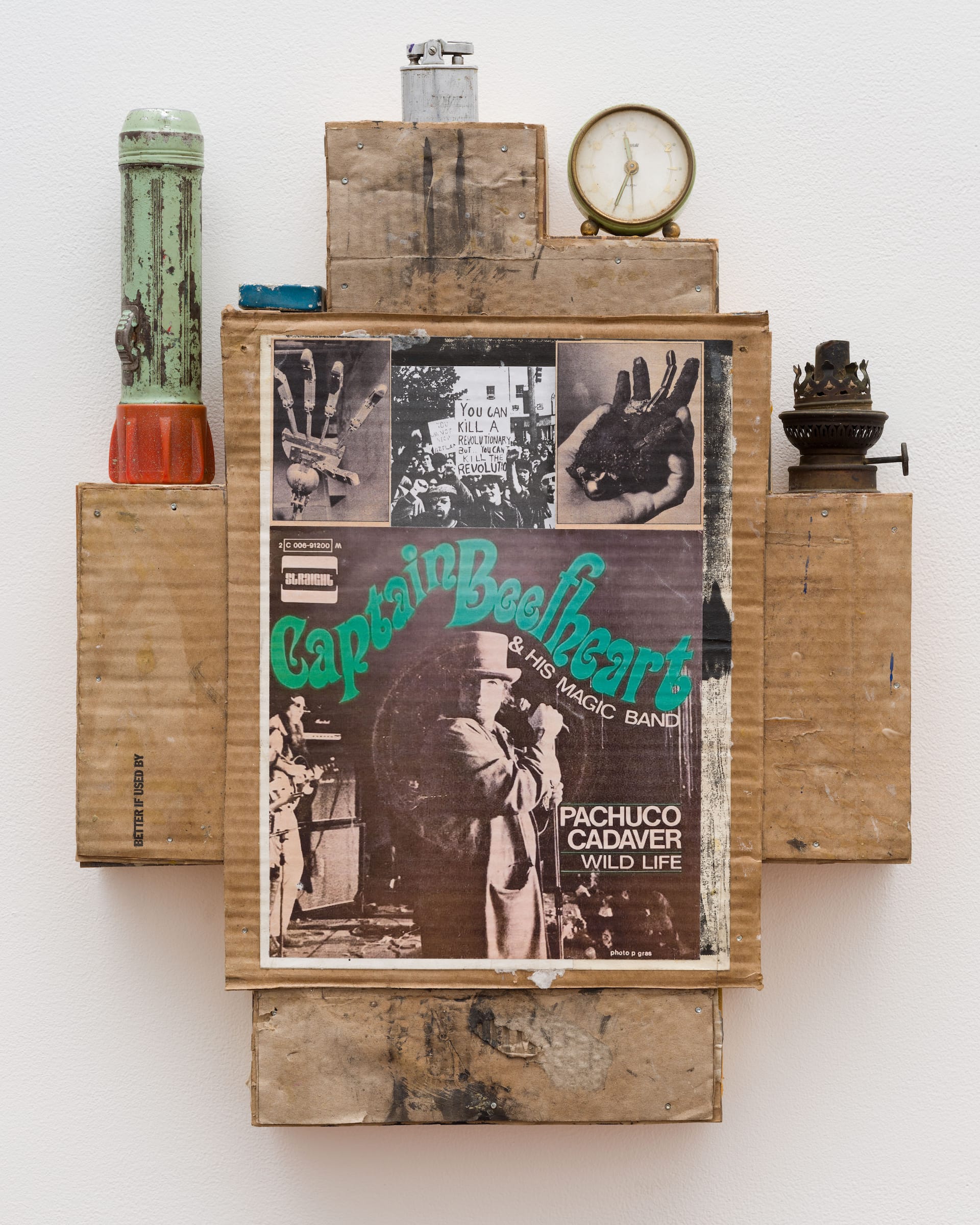
By mining popular media and material artifacts, artist Vincent Ramos creates assemblages and collages that examine the affinities and frictions between Mexican-American culture and mainstream American culture as a whole. His evocative patchworks often pay homage to Latine performers or artists who achieved crossover success, such as Anthony Quinn (born Manuel Antonio Rodolfo Quinn Oaxaca in Chihuahua) and Linda Ronstadt, as well as Herb Albert, a Jewish musician raised in Boyle Heights who helped introduce Latin American music to White audiences. Witty and insightful, Ramos’s poetic pastiches wade through the muddy hinterlands of hybridity, raising questions about which narratives are adopted, or excluded, from the mainstream.
Barbara Carrasco: On The Edge
Charlie James Gallery, 969 Chung King Road, Chinatown, Los Angeles
Through July 18
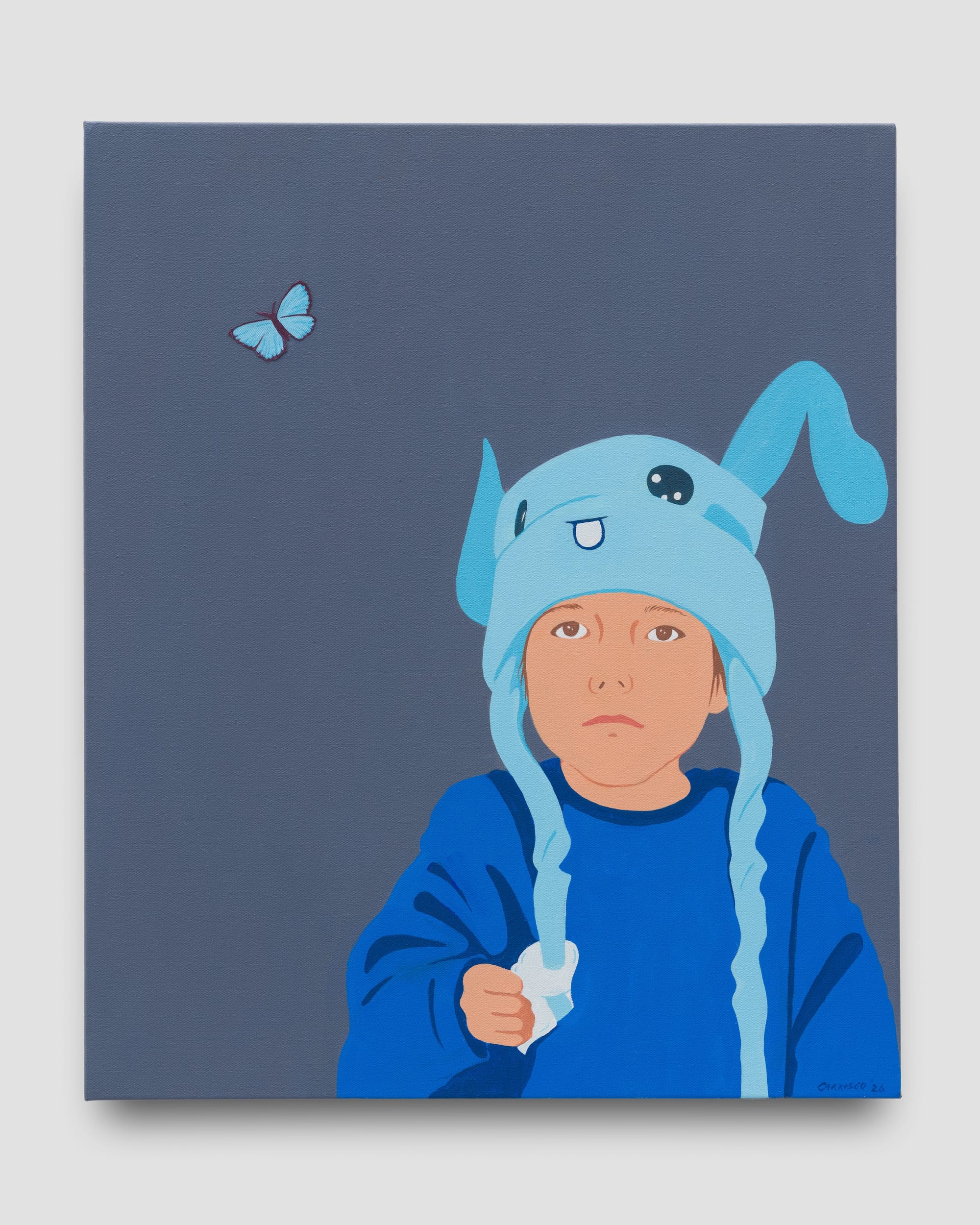
Throughout her five-decade career, Barbara Carrasco has been a leading voice in the space between art and activism, from her role as a muralist with the United Farm Workers and her once-censored mural “L.A. History: A Mexican Perspective” (1981), now on view at the city’s Natural History Museum, to bold, graphic portraits of Civil Rights icons such as Martin Luther King Jr. and Dolores Huerta. On the Edge presents new paintings of children detained under the US’s increasingly draconian immigration policies, each pictured with a butterfly, a hopeful symbol of liberation. The exhibition also features a selection of Carrasco’s historical works, highlighting her poignant juxtapositions of the personal and political.
Erotic Terrains
The Loved One, 1634 West Temple Street, Historic Filipinotown, Los Angeles
Through July 24
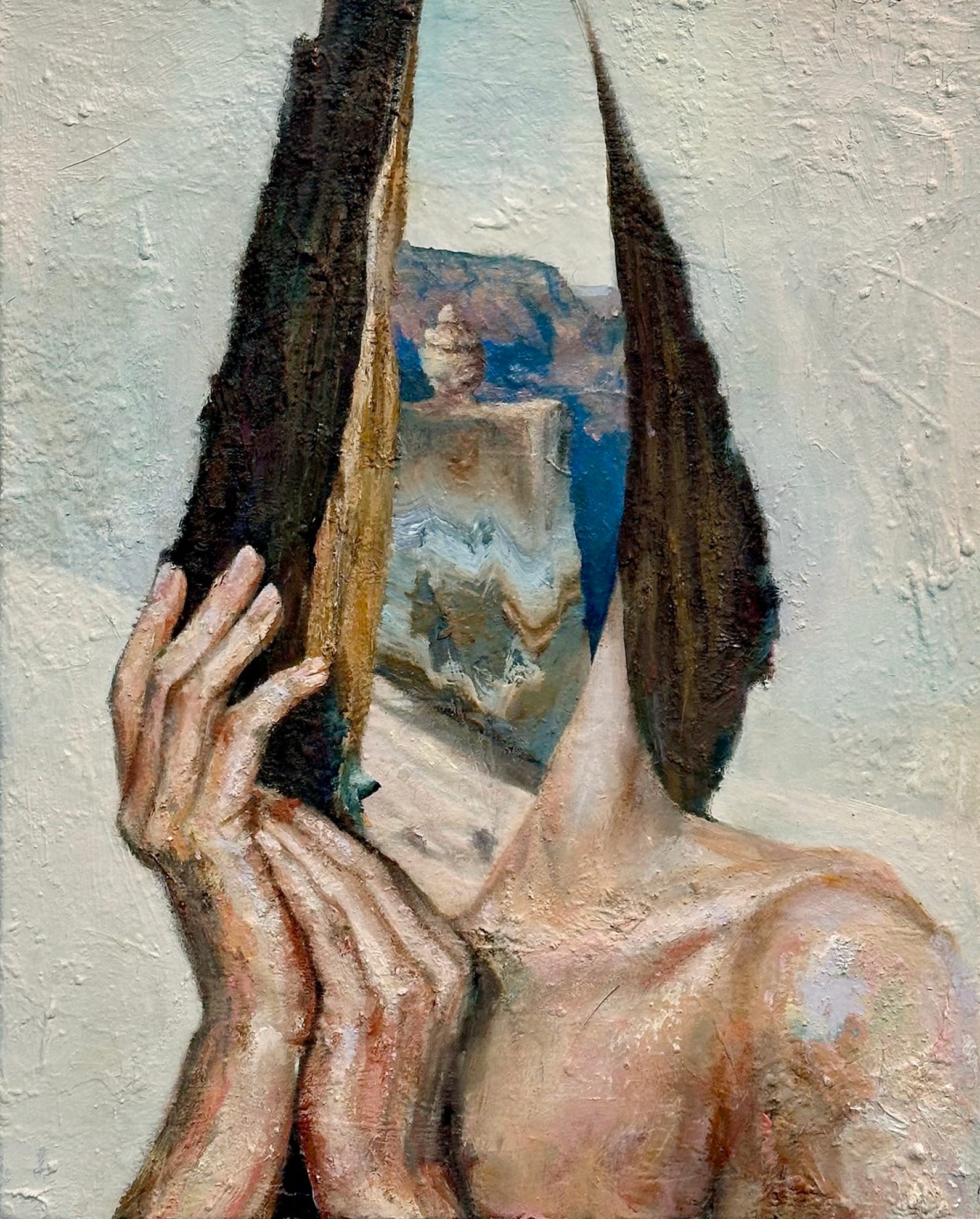
The Loved One is a new art bookshop and gallery co-founded by publisher Hat & Beard Press and curatorial platform Wienholt Projects. (Art-savvy Angelenos may remember the building as the site of the Enzo Art Fair earlier this year.) Its inaugural exhibition, Erotic Terrains, is a group show primarily featuring LA-based artists who explore liminal spaces and the uncanny through painting, sculpture, photography, and collage. Highlights include Wyatt Mills’s figurative surrealism, Alex McAdoo’s suburban psychedelia, and Francesca Gabbiani’s cut-paper palm tree on fire in “Mutation XLVI” (2023).
Gwyneth Bulawsky: We Begin to Wilt Beneath the Son
Gattopardo, 918 Ruberta Avenue, Glendale, California
Through July 25
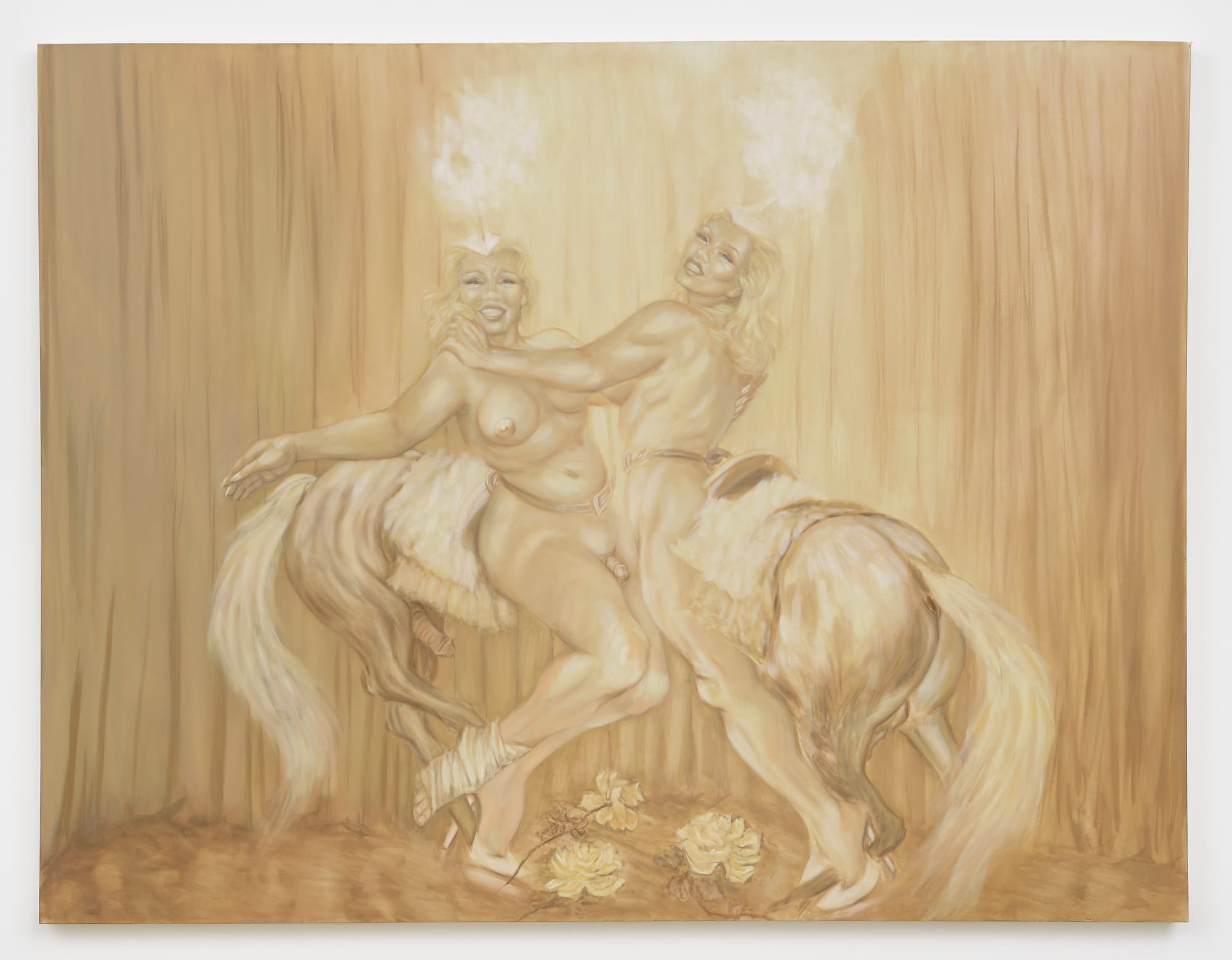
In her luminous paintings, Gwyneth Bulawsky depicts idyllic landscapes as sites of queer and trans eroticism. This takes the form of a group of nude men lounging invitingly in a grassy glade in “I miss the sweet gay boys in the summer of their youth,” or a pair of trans showgirls in centaur costumes embracing in “Flowers growing on a hill, dragonflies and daffodils, learn from us, very much, look at us but do not touch, Phaedra is our name” (both 2026). Even when no figures are present, her landscapes vibrate and shimmer, as if in states of continuous becoming.
Dynaton: Convocation of Radiant Beings
Château Shatto, 540 Western Avenue, East Hollywood, Los Angeles
Through August 1
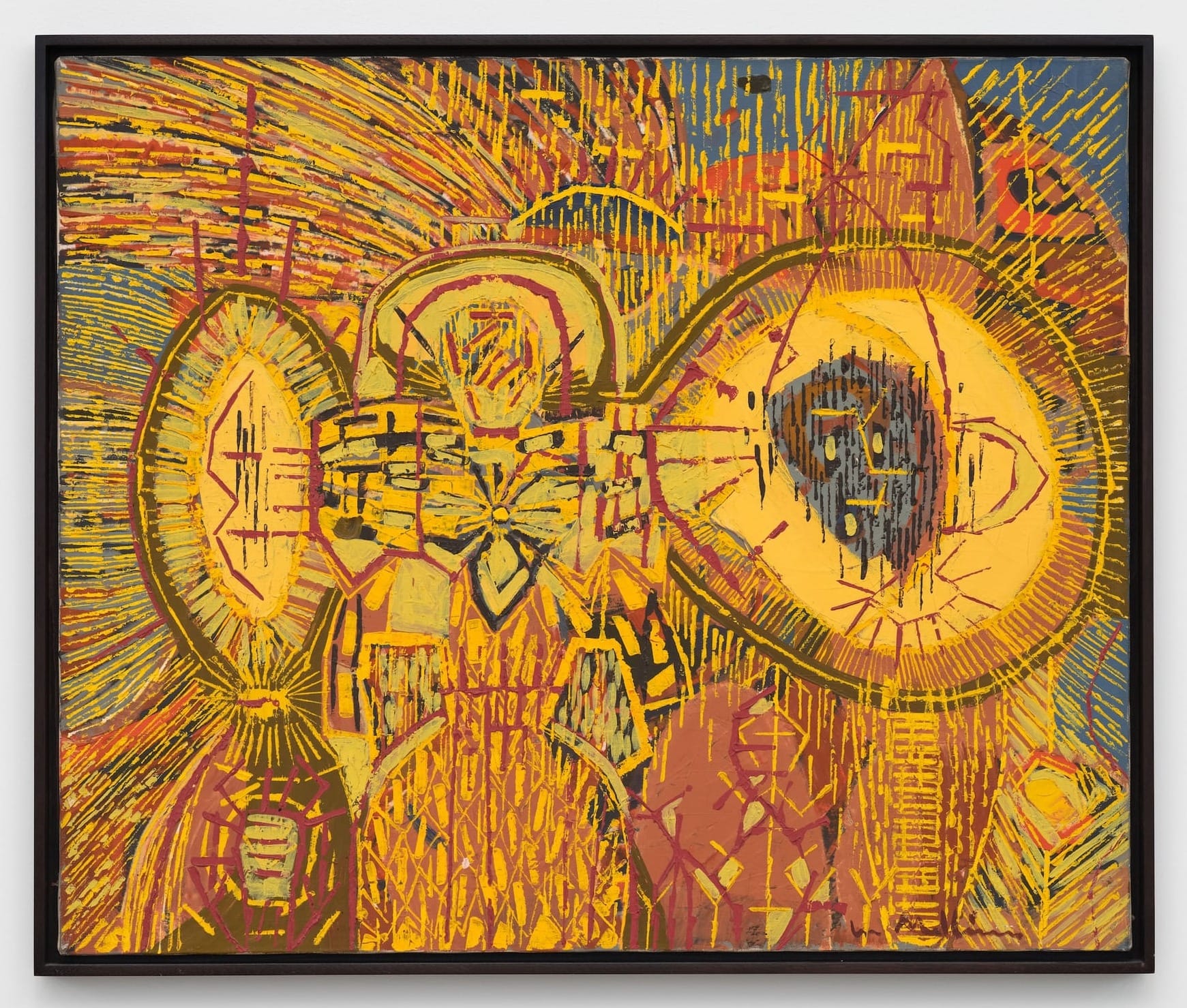
Founded by Gordon Onslow Ford and Wolfgang Paalen in the Bay Area, Dynaton was an artistic movement that broke away from Surrealism in the mid-20th century. Firmly rooted in the creative energies of mid-century California, the movement incorporated elements of physics, Jungian psychology, and motifs from Indigenous traditions, eschewing a signature style in favor of an expansive abstraction. This show reimagines and expands upon the seminal 1951 exhibition at the San Francisco Museum of Art that defined Dynaton’s parameters. In addition to Paalen and Onslow Ford, the exhibition includes artists such as Leonora Carrington, Luchita Hurtado, Alice Rahon, Lee Mullican, Harry Partch, and other members of this pivotal but underrecognized group.
Aaron Douglas Estrada: Please Be Advised
GGLA, 3407 + 3415 Verdugo Road, Glassell Park, Los Angeles
Through August 1
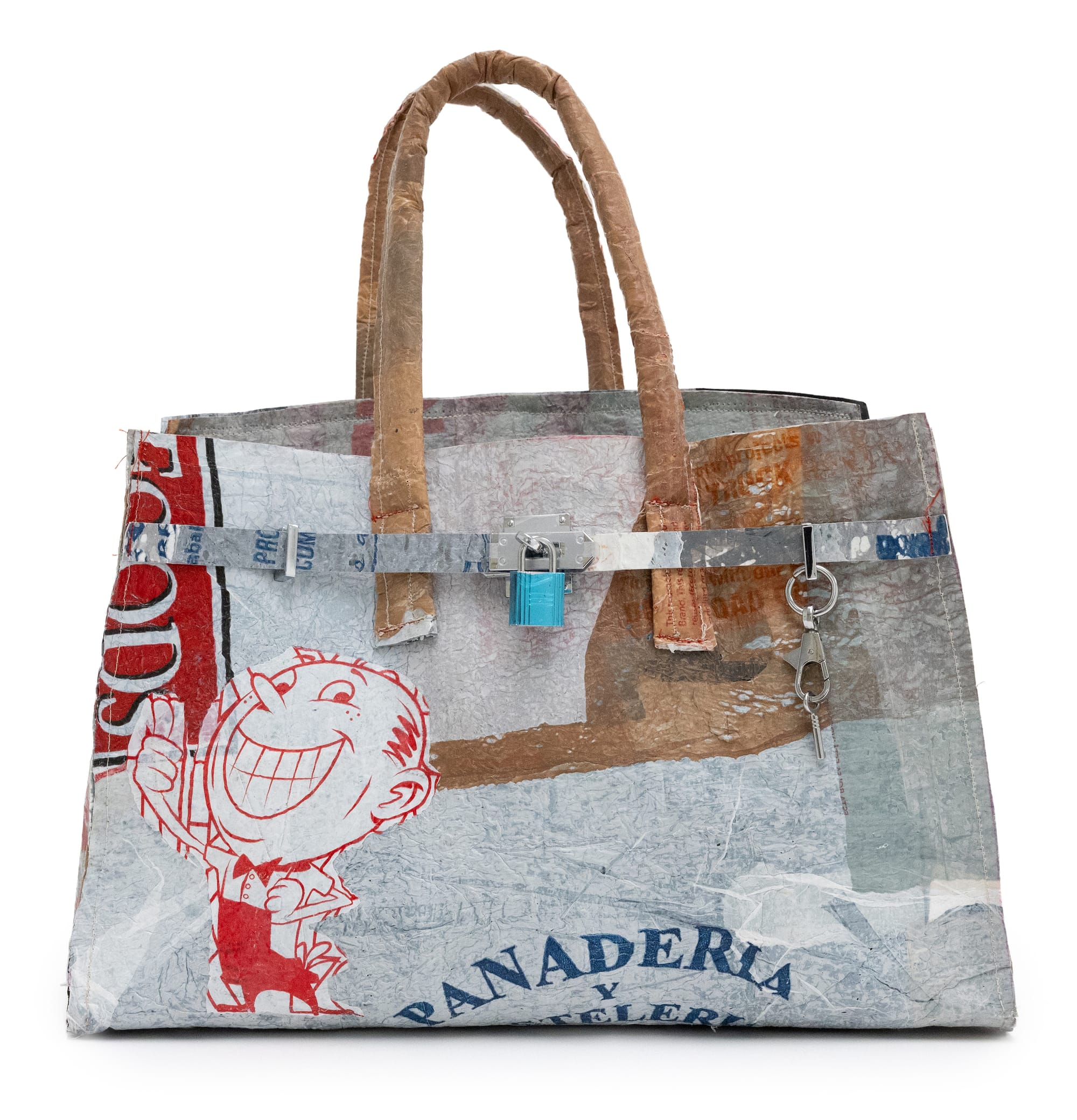
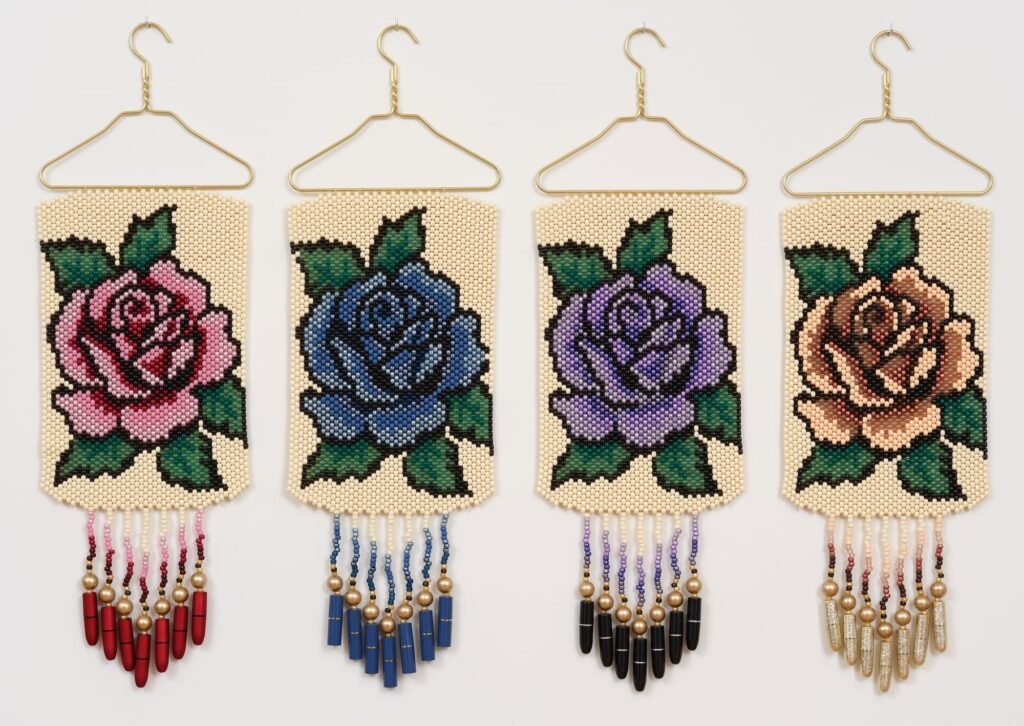
Aaron Douglas Estrada reconfigures the ephemera of everyday life into ritualistic objects that reflect networks of cultural, commercial, and social exchange. Please Be Advised features the artist’s designer-style handbags made from disposable plastic bags and other found materials, their overlapping slogans and patterns tracing the various economies and diverse demographics that exist side by side in Los Angeles. These works are accompanied by three chandeliers made of chain and barbed wire, collapsing signifiers of confinement, luxury, and spiritual protection in minimalist objects.
Radical Kinship
Feminist Center for Creative Work, 3053 Rosslyn Street, Glassell Park, Los Angeles
Through August 2
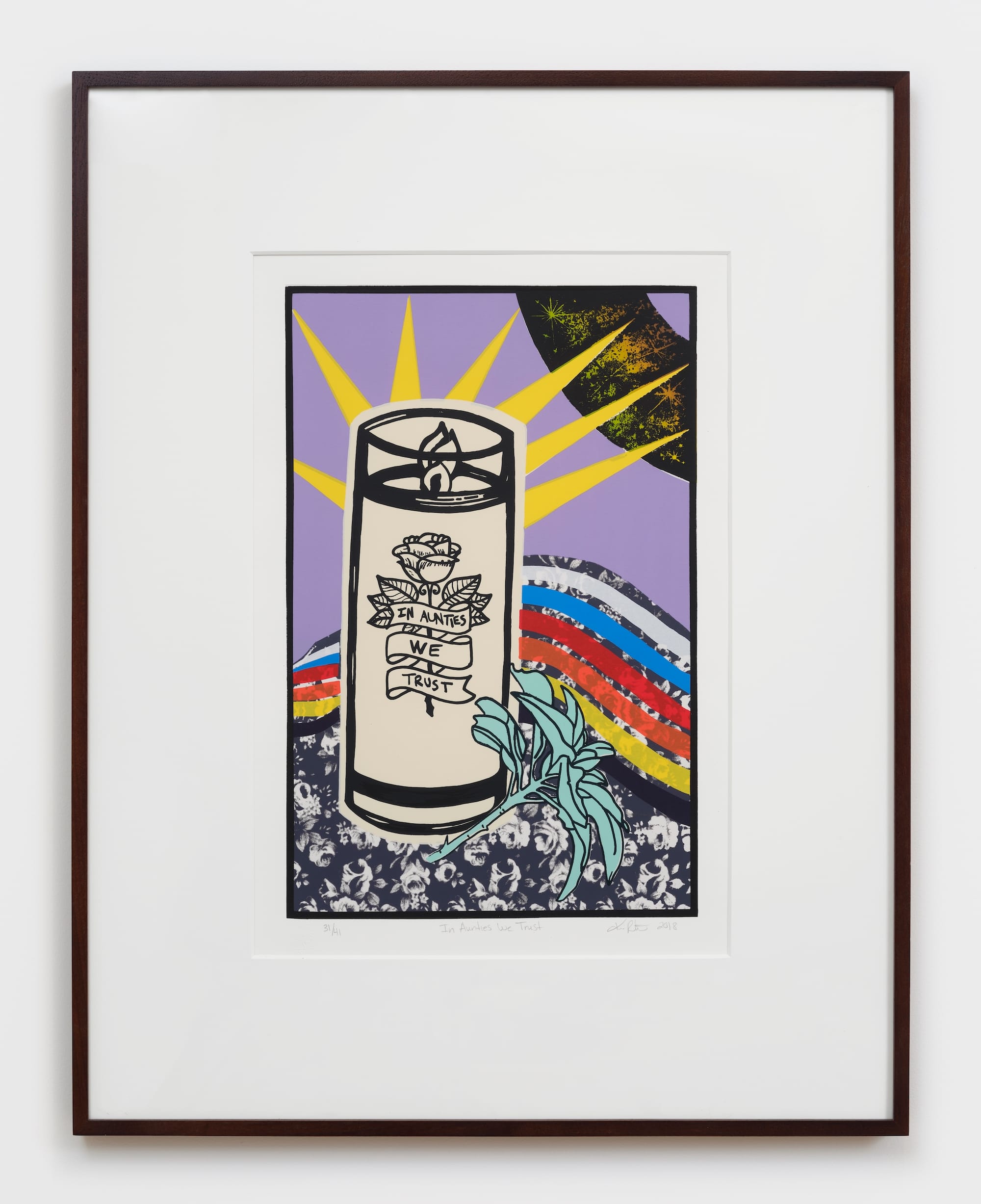
How can individuals respond to the social disruption, environmental crises, and political authoritarianism that characterize our current moment? For the eight contemporary women artists in Radical Kinship, the answer lies not in the individual but in communal support and solidarity. Curated by Chloë Flores, this group show highlights artistic practices that draw from traditions rooted in queer, feminist, and Indigenous forms of resistance and resilience. A series of public workshops, performances, and other events is scheduled throughout the exhibition’s run. Participating artists include Kim Ye, taisha paggett, Corazón del Sol, and Kiyo Gutiérrez.
Marc Kreisel: My Entire Childhood
Musée du Al, 1343 Allesandro Street, Echo Park, Los Angeles
Through August 2
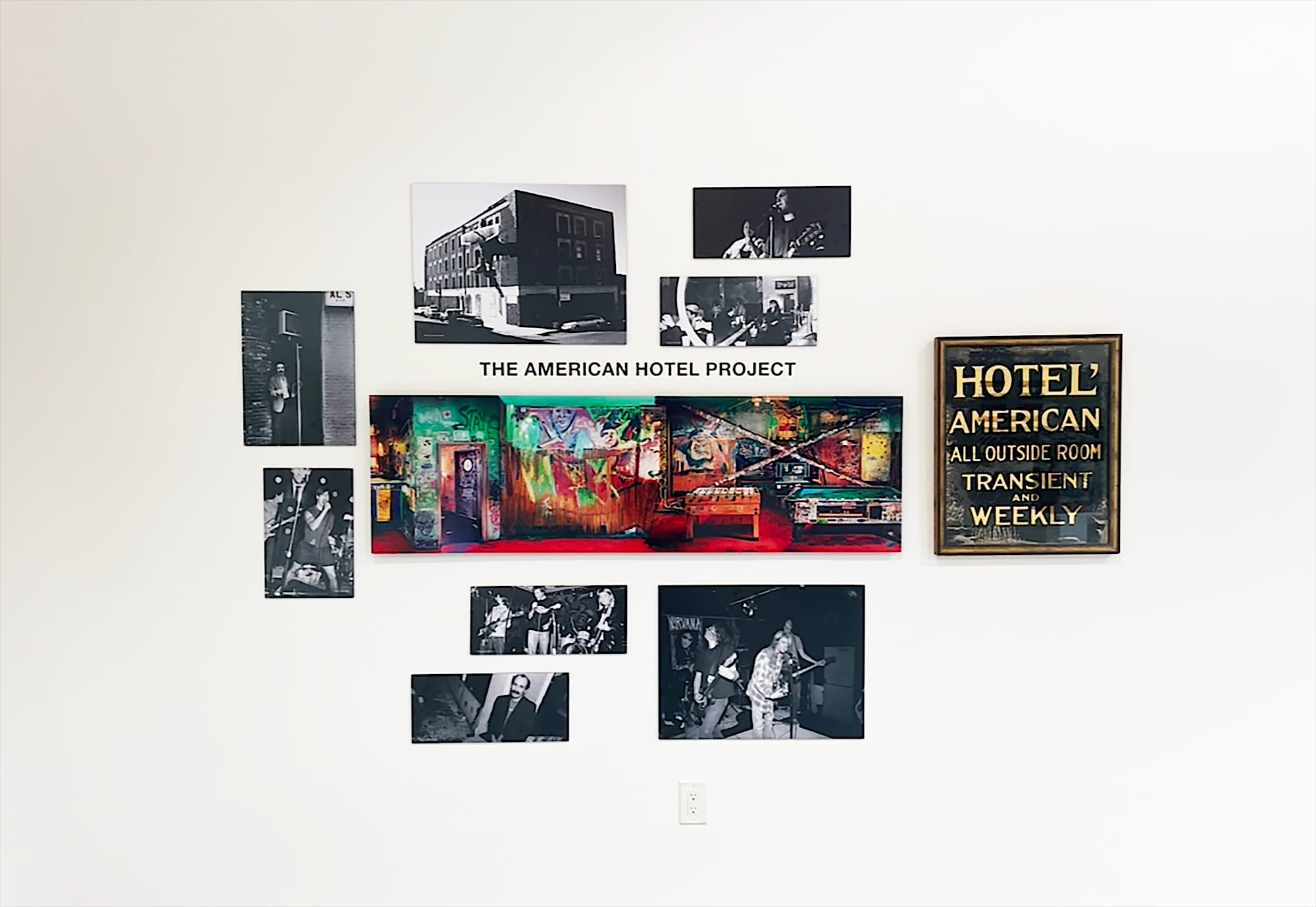
From 1979 to 2001, Marc Kreisel ran Al’s Bar, the legendary LA watering hole that played a seminal role in the city’s nascent punk scene. He also founded the American Gallery in the same building, which supported the growing number of artists who were moving to the downtown area that would become known as the Arts District. In 2025, Kreisel opened Musée du Al to showcase the work of artists from that fertile scene, as well as those from the next generations. Alongside his role as a cultural promoter, Kreisel has had a long, lesser-known career as an artist himself, the product of which is now on view in My Entire Childhood. The nearly five-decade retrospective reveals Krisel’s idiosyncratic practice, which encompasses painting, collage, photography, and assemblage, offering new perspectives on this influential figure in the development of LA’s cultural life. In the spirit of Kreisel’s free-wheeling creative associations, the Public Works Improv Theatre will present music and poetry from Eloy Torrez, Jack Landron, Anna Broome, Jerry the Priest, and others at an event on July 11 at 4pm ($10–20 suggested donation).
Jaime Pattison: Deep Listening and Maura Brewer: Chartjunk
Cevera Yoon Gallery, 672 South Lafayette Park Place, Suite 36, Westlake, Los Angeles
Through August 29
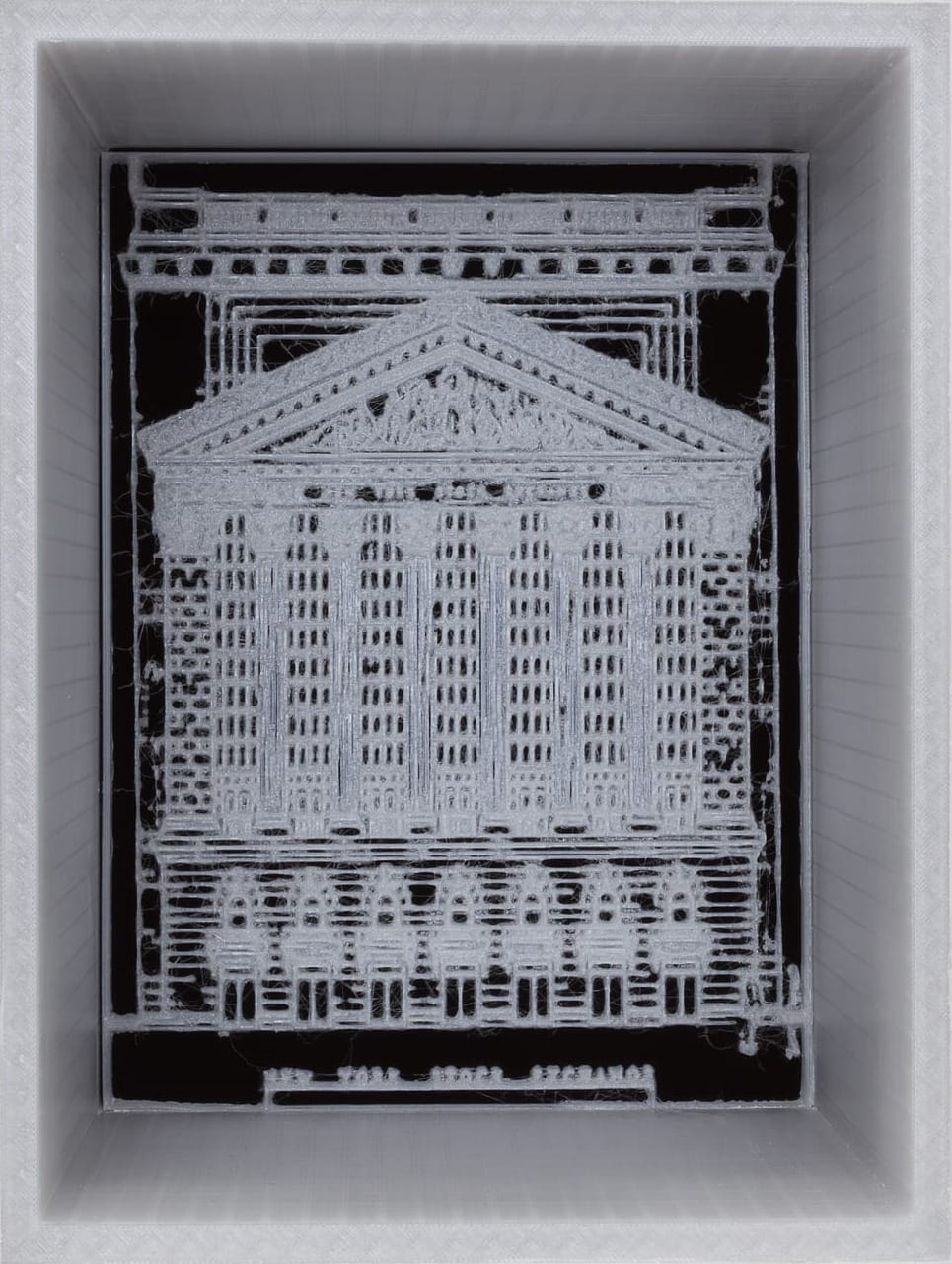
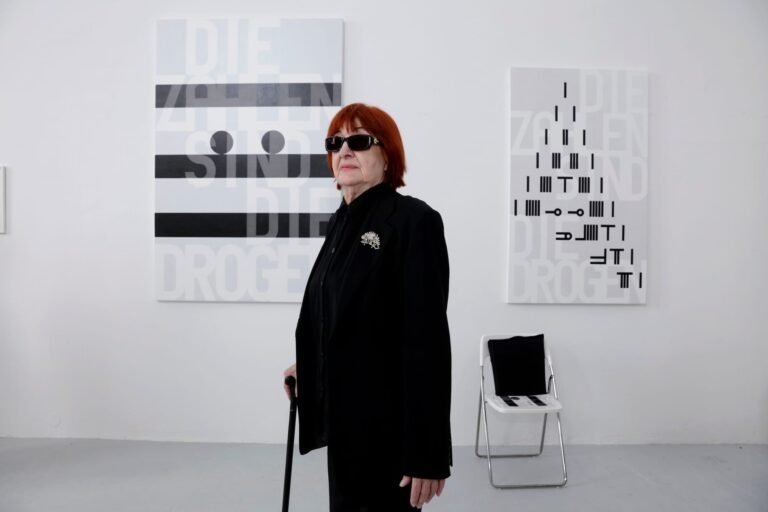
These two solo exhibitions explore the intersection of data and finance, specifically the dystopian but very real manner in which identity and culture are commodified. Using AI, 3D printing, and digital synthesizers, Jaime Pattison harnesses data feeds to create sonic compositions, acoustic representations of power relations. Maura Brewer’s geometric abstractions are inspired by the contemporary ubiquity of charts, graphs, and diagrams, which can be seen as attempts to make sense of a world gone mad, employed by everyone from conspiracy theorists to politicians. Erasing their content, Brewer focuses only on the structure of the charts, revealing their aesthetic qualities while casting doubt on their interpretive function.
Eva Aguila: The Foundation of the Harvest / El Cimiento de la Cosecha
Lancaster Museum of Art and History, 665 West Lancaster Boulevard, Lancaster, California
Through August 30
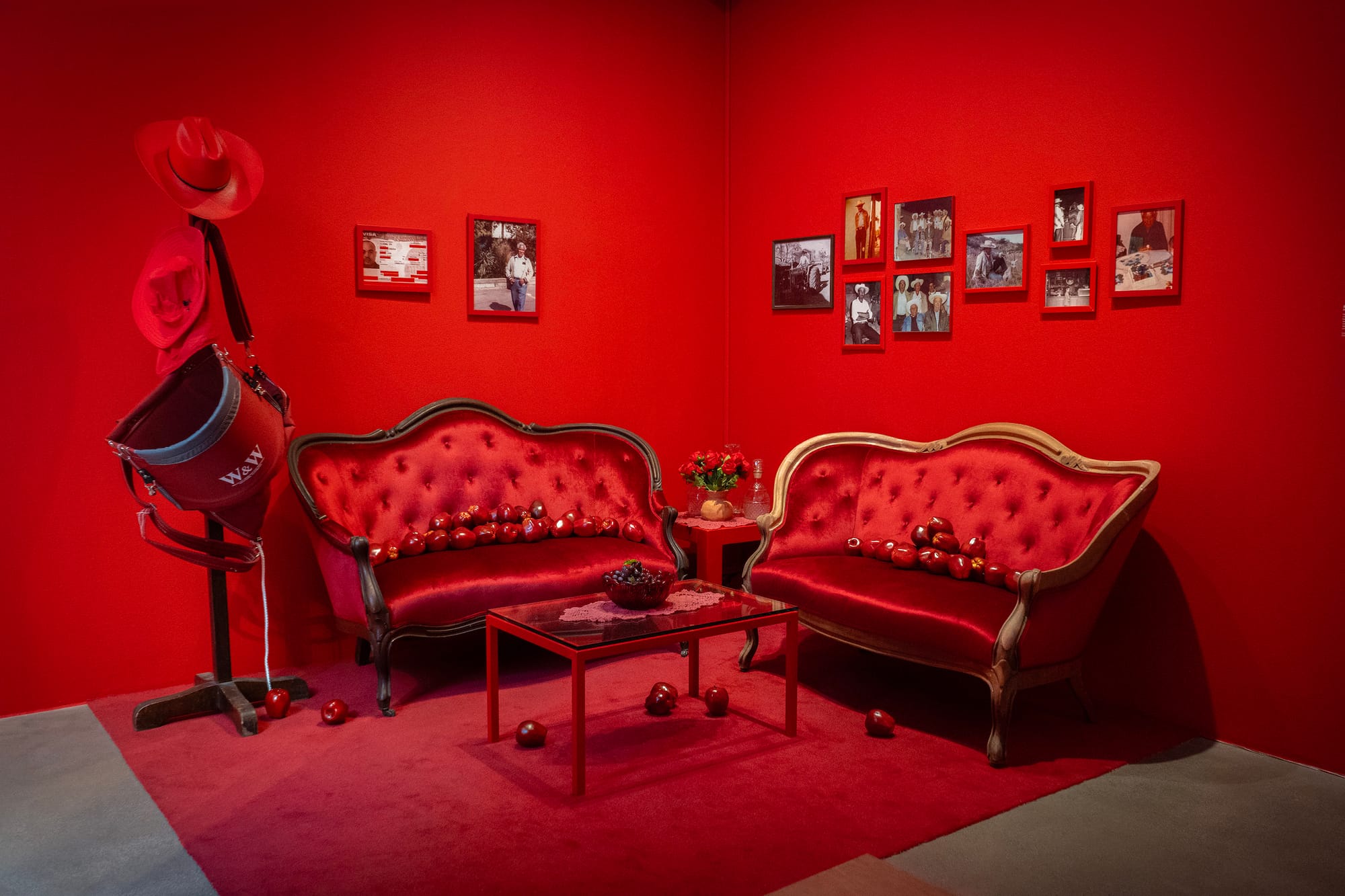
In her multi-media installation, Eva Aguila explores the US’s long-running reliance on migrant workers from Mexico, filtered through a personal lens. Throughout an all-red domestic setting, Aguila juxtaposes archival material and photos of her family members who participated in the United Farm Workers Movement with sculptures, soundscapes, and a film that traces the American government’s Bracero and the H-2A visa programs created to bring laborers into the country. Eschewing reductive narratives, the exhibition chronicles the hardships endured by — and opportunities afforded to — her relatives and other laborers, while delving into issues of exploitation and human rights.