For the dog days of August, we’ve got several shows that turn away from grand artistic gestures toward the intimate, personal, and everyday. Lisson showcases Spencer Finch’s torn-envelope interventions, bits of painted and collaged wonder. Textiles as Monument at the Fowler Museum features three artists who use soft materials to memorialize those excluded from mainstream historical recognition. A show honoring the longstanding, recently demolished Echo Park restaurant Taix tries to capture its eccentric charm as a home for neighborhood regulars and Gen-Z bohemians alike. And a show at Roberts Projects focused on the garment, jewelry, and costume design of the late assemblage art pioneer Betye Saar shines a light on this important but overlooked aspect of her oeuvre.
Let’s Get It On: The Wearable Art of Betye Saar
Roberts Projects, 442 South La Brea Avenue, Hancock Park, Los Angeles
Through August 22
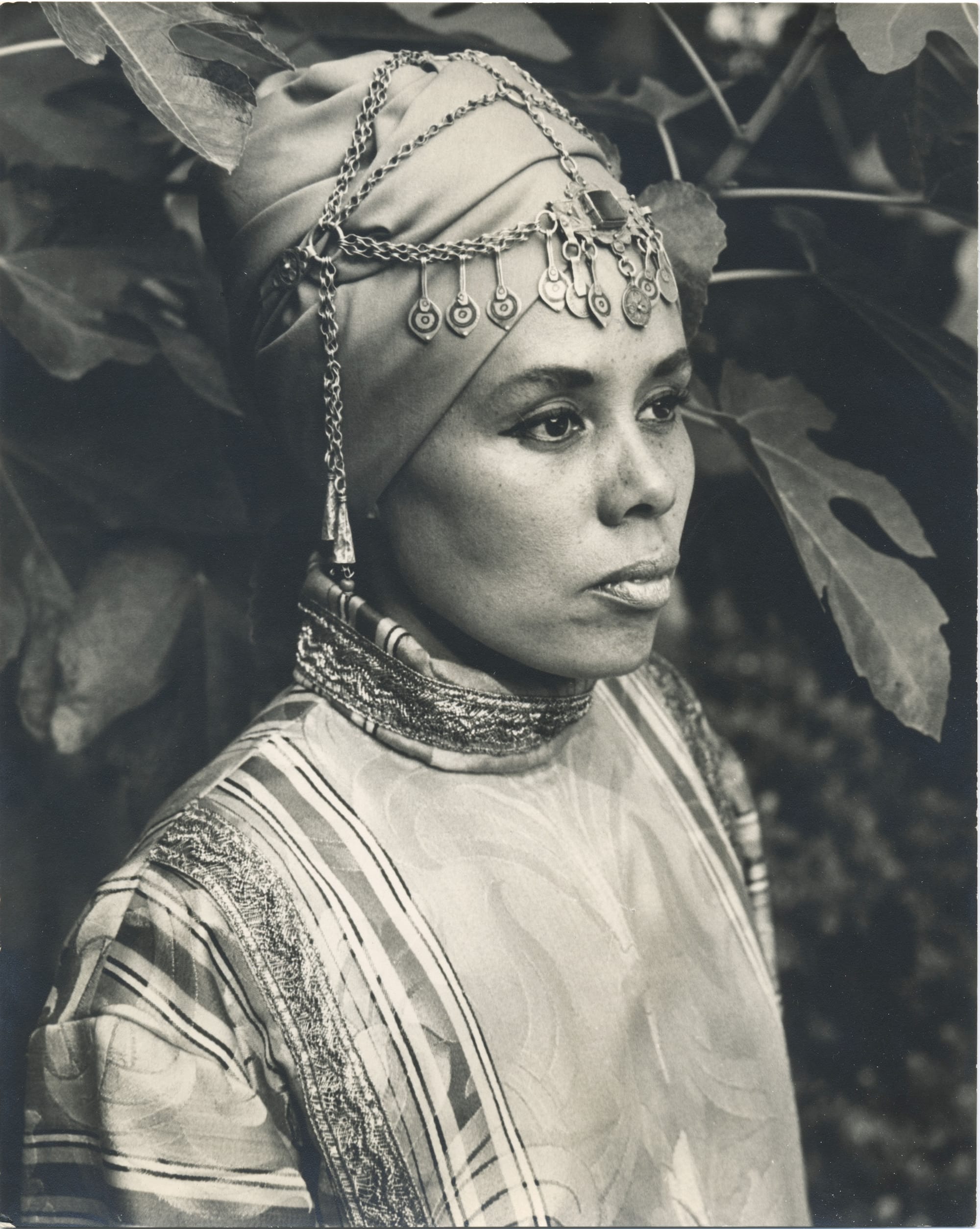
Betye Saar, who passed away last week at the age of 99, was a pioneering figure in LA assemblage, crafting astute juxtapositions of found objects that celebrated Black and female representation with wit, humor, and biting social critique. Let’s Get it On focuses on a lesser-known part of her practice: her costume design. The show includes more than 200 garments, photographs, and drawings spanning the 1950s through the 1970s. Among them are her costume designs for productions at the Inner City Cultural Center, a multicultural performing arts space formed after the 1965 Watts Rebellion, as well as clothes she made for her daughters to wear at the Renaissance Pleasure Faire at the Paramount Ranch in the late ’60s and early ’70s. Based heavily on archival research, the exhibition adds a crucial puzzle piece to Saar’s extensive legacy.
Spencer Finch: Balboa of House and Garden
Lisson Gallery, 1037 North Sycamore Avenue, Hollywood, Los Angeles
Through August 22
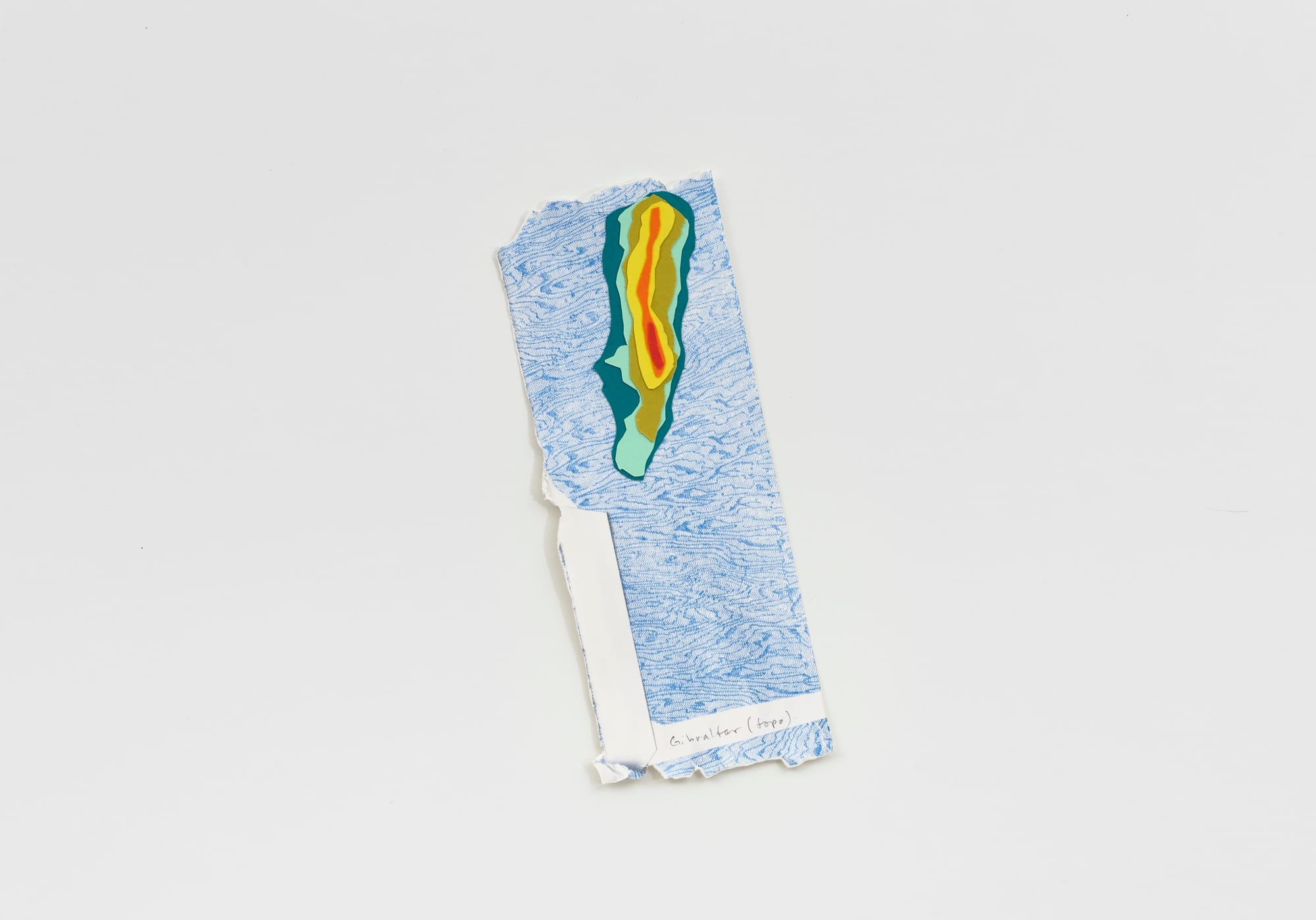
Spencer Finch revels in the small pleasures of the everyday, even as he enlarges them to monumental scale. At the center of his first LA solo show are selections from Gorgeous Nothings (2026), a series of works on paper inspired by Emily Dickinson’s poems on used envelopes. Finch pulls a trompe l’oeil twist on this idea, painstakingly recreating torn envelopes before augmenting them with watercolor, collage, ink, or pastel. He extends the sense of wonder embedded in these paper scraps with a skylight installation using colored filters and a massive outdoor dumpster sculpture inspired by Théodore Géricault’s epic painting “Raft of the Medusa” (1818–19), giving urban detritus a Romantic makeover.
Being and Longing: Enough Is Never Enough
Gene’s Dispensary, 422 Ord Street, 2B, Chinatown, Los Angeles
Through August 29
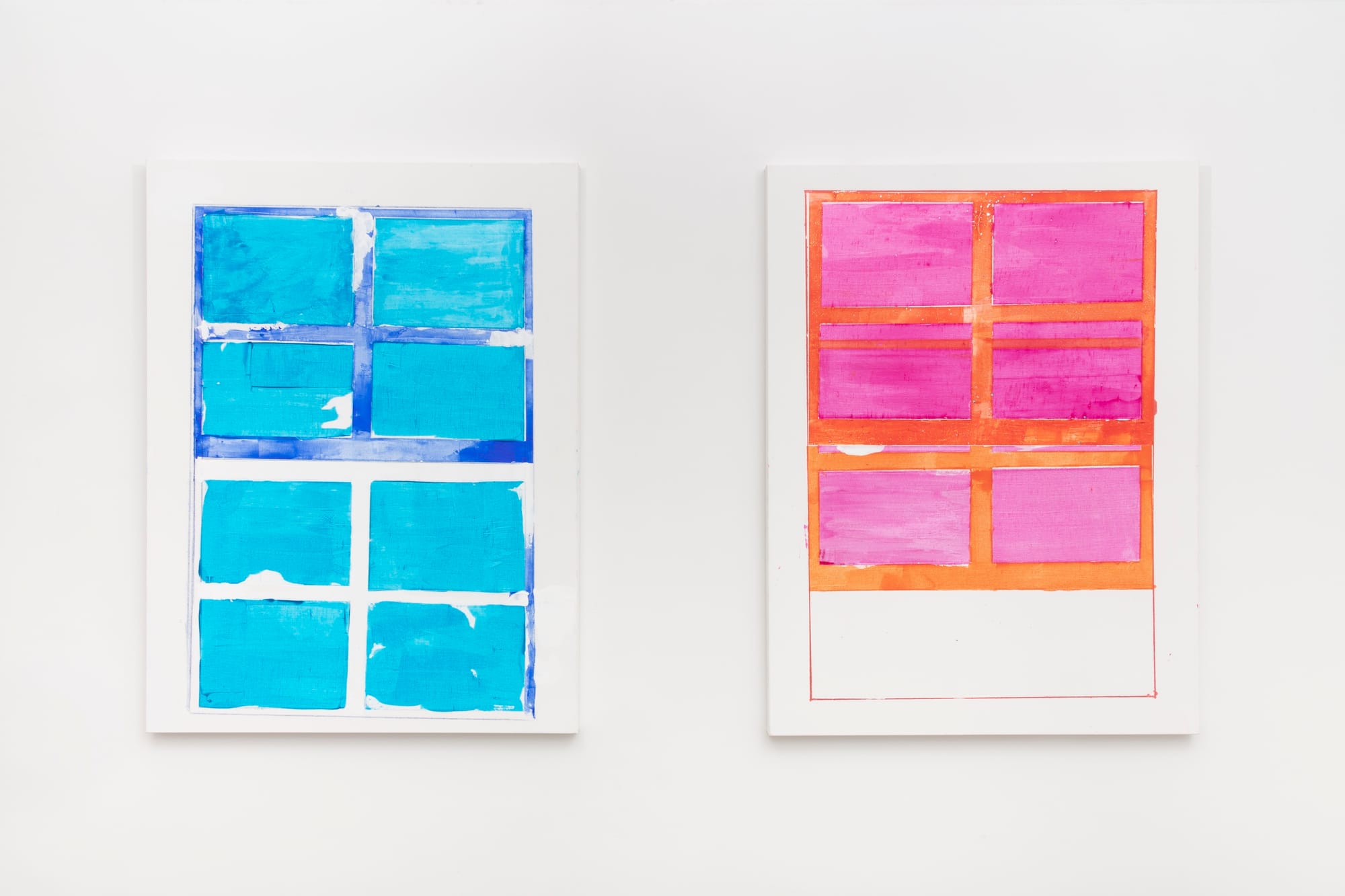
Being and Longing is a deeply personal show for Gene’s Dispensary Founder Keith Varadi, who invited five artists who create work that offers viewers something beyond the market-driven trends that have come to dominate the art world — “blueprint[s] for how not to conform to the societal pressures of contemporary life,” as he writes in the press release. The disparate selections include expressionist text paintings by musician Kim Gordon, printed poetry by writer and Semiotext(e) journal Publisher Chris Kraus, stolen signs by Mauricio Guillén, vivid window paintings by Beatrix Fowler, and Lost, Lost, Lost (1976), a film by the late master of experimental cinema, Jonas Mekas.
Lee Mullican: Silent Shades
Marc Selwyn Fine Art, Camden Annex, 427 North Camden Drive, Beverly Hills, California
Through September 5
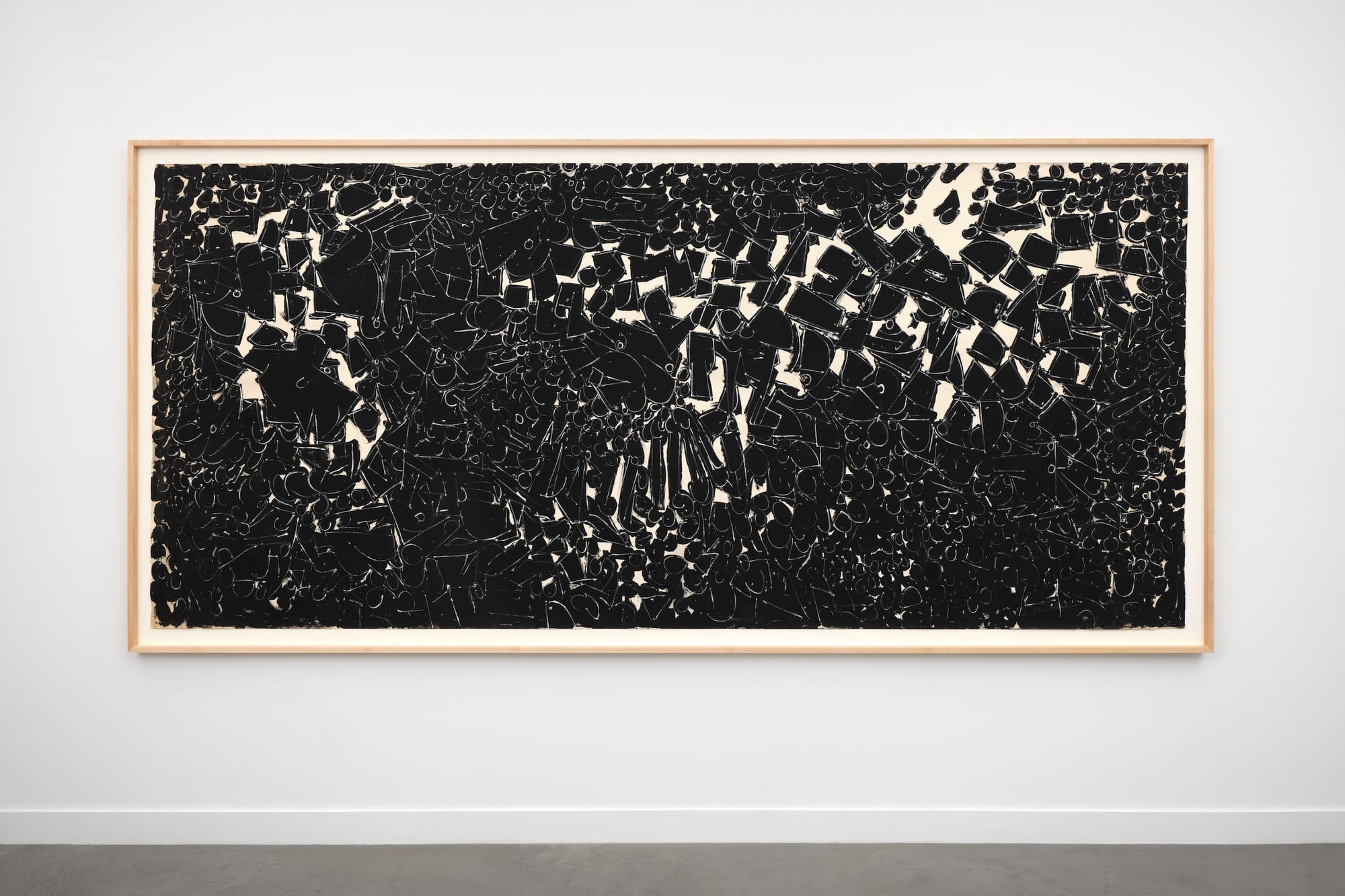
Silent Shades showcases paintings created by Lee Mullican during his Guggenheim year in Rome, from 1959 to 1960. The stark, black-and-white paintings are composed of lyrical, organic shapes that reference the energy and experience of the city around him, themes central to the Dynaton Movement, which drew on European Surrealism to create new forms of American abstraction. Accompanying these works are ceramic sculptures produced around the same time that reflect his interest in ancient art from around the world.
Susan Te Kahurangi King: The Page Before Me
James Fuentes Gallery, 5015 Melrose Avenue, East Hollywood, Los Angeles
Through September 12
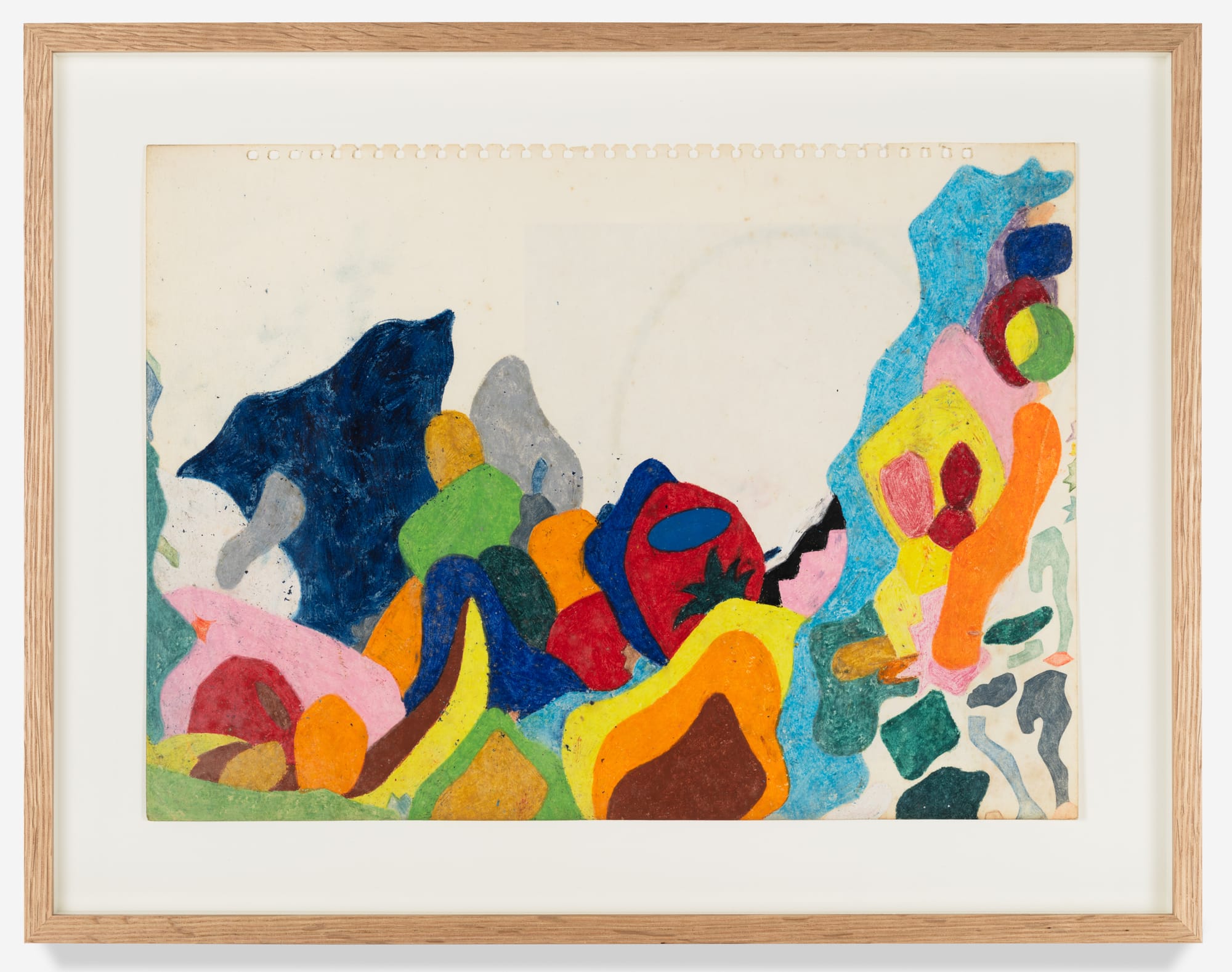
This retrospective of the drawings of Susan Te Kahurangi King marks the New Zealand artist’s first solo show on the West Coast. The exhibition spans the late 1950s to the present, offering an encyclopedic view of her lifelong drawing practice, which incorporates characters from cartoons and popular media, text, patterns, and colorful abstraction. Notably, The Page Before Me features a 16-foot-long (~4.9-meter-long) untitled scroll from around 1967, a compendium of her distinctive visual style and vocabulary.
1911 Sunset Boulevard
Gallery Luisotti, 818 South Broadway, 10th Floor, Downtown, Los Angeles
August 8–September 12
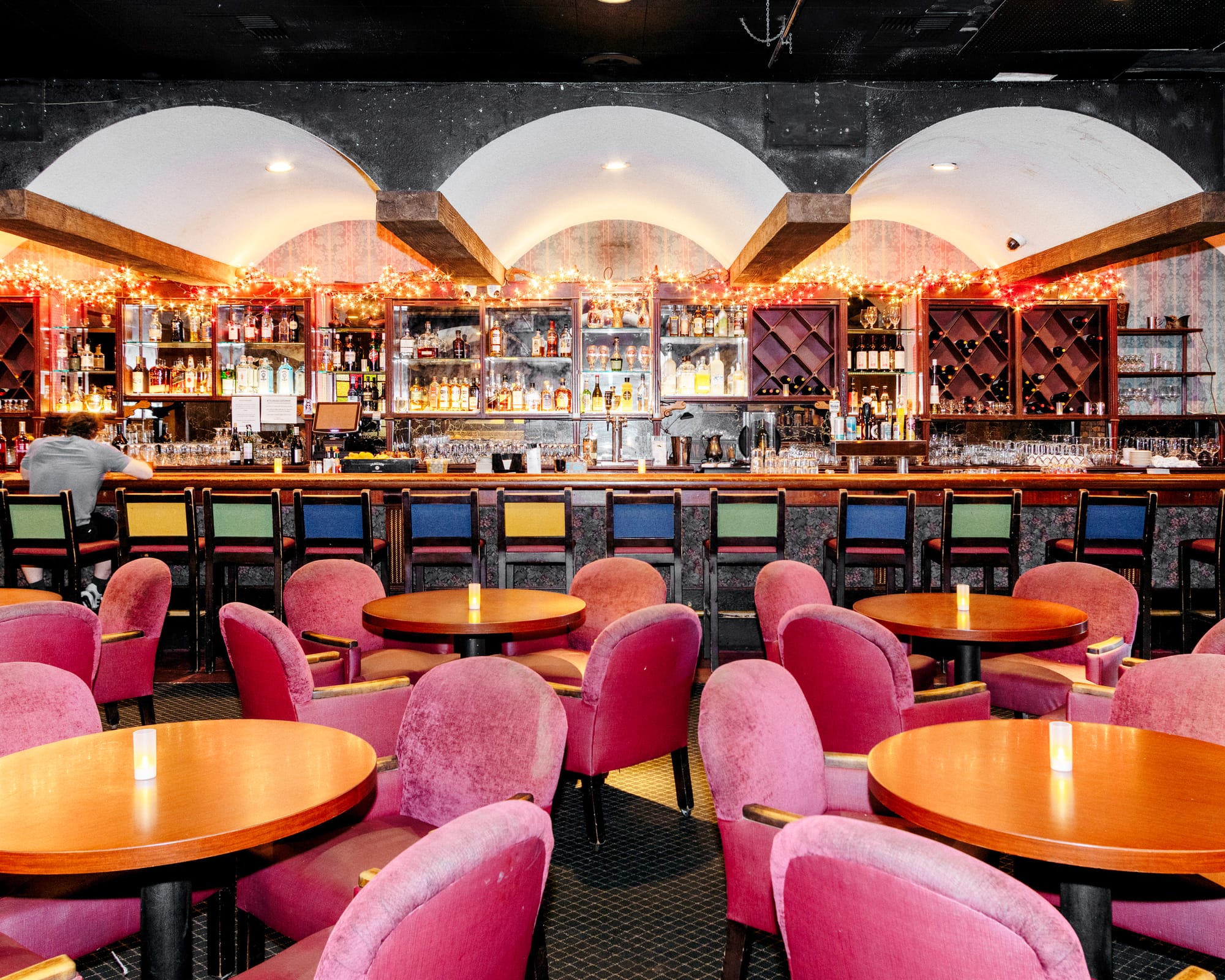
For six decades, famed French restaurant Taix was located at 1911 Sunset Boulevard, smack in the center of Echo Park. As the neighborhood around it drastically changed, Taix seemed frozen in time, its plush booths, chalet-like architecture, and iconic French onion soup offering a sense of consistency in an ever-changing world. Different generations and crowds mixed freely inside, and it had become something of a hub for LA’s fledgling literary and performance scene. This exhibition brings together six artists who honor the life and legacy of this quintessentially Angeleno establishment. Highlights include Maxfield Hegedus’s crisp photographs capturing its architectural eccentricity, Marcel Alcalá’s painting of DJs at “Gay Guy Night,” and Abdi Taslimi’s photographs that imbue the restaurant’s interiors with the gravitas of a Dutch still life.
Cordillera Mexicana: Alfredo Ramos Martínez and the Mexican Landscape
Louis Stern Fine Arts, 9002 Melrose Avenue, West Hollywood, California
Through September 19
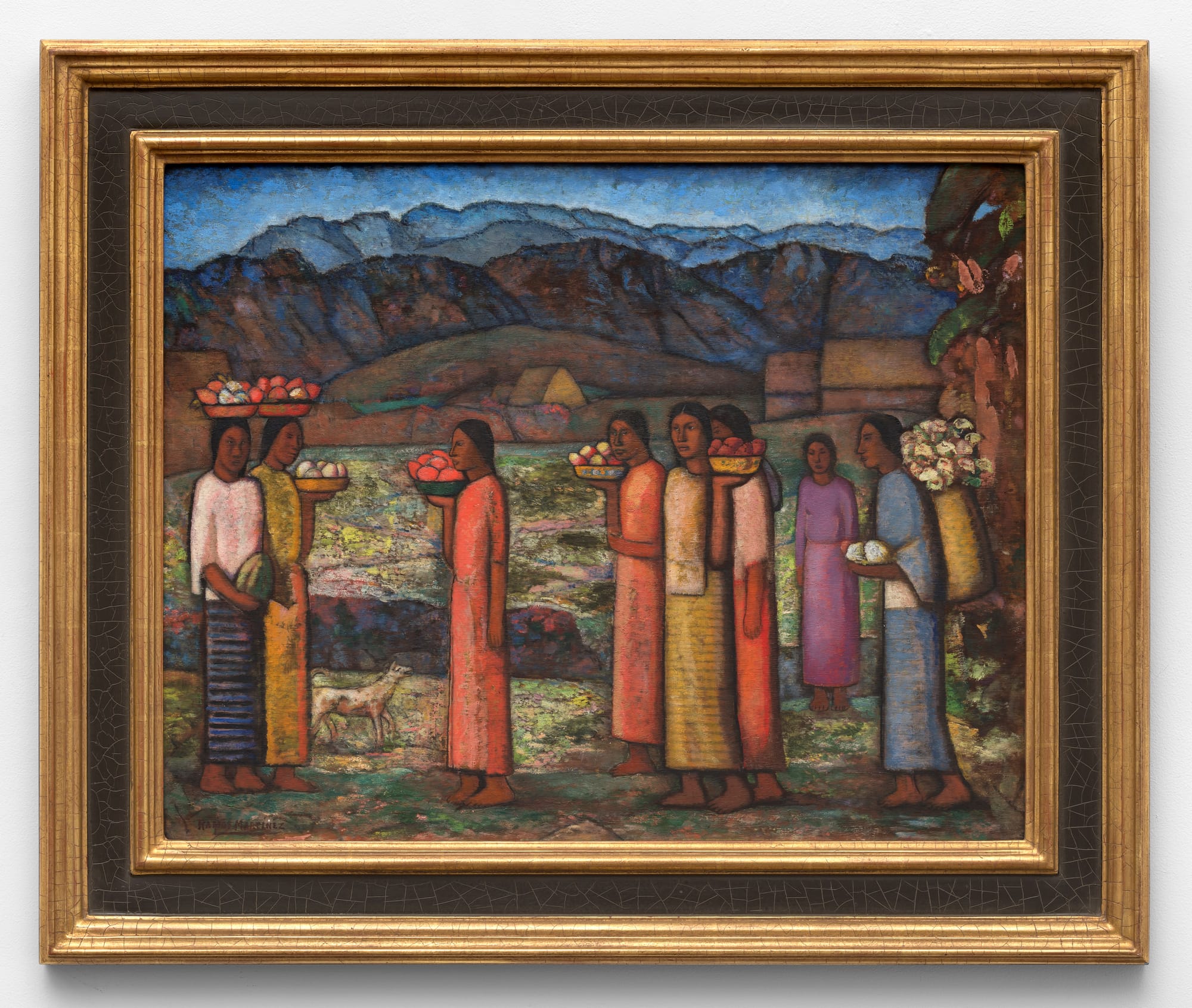
After Mexican painter Alfredo Ramos Martínez moved to Los Angeles in 1929, landscape became a touchstone that connected him to his homeland. Cordillera Mexicana — translating to “Mexican Mountain Range” — showcases floral still lifes, landscapes, and other scenes that trace links between Southern California and rural Mexico. As the show’s title suggests, mountains were symbolically significant for Ramos Martínez. Painting beside LA’s Santa Monica Mountains, he depicted the range ringing Mexico City and the Cerro de la Silla of his childhood in Monterrey, suggesting a geological affinity that transcends human-made borders.
Brad Eberhard: Building an Audience
Timothy Hawkinson Gallery, 7424 Beverly Boulevard, Fairfax, Los Angeles
August 22–September 26
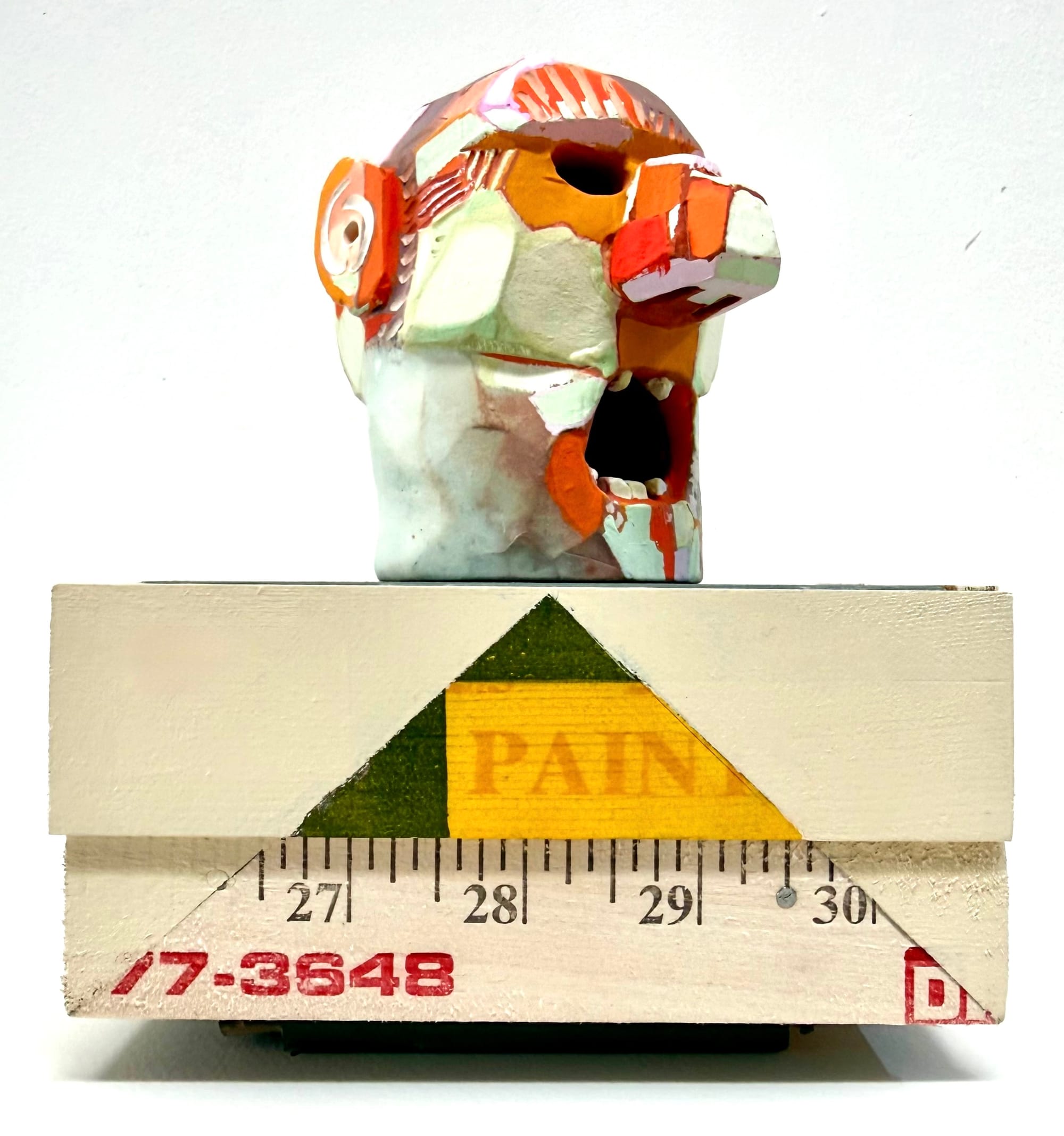
As a painter, musician, and gallerist, Brad Eberhard balances the public and private facets of living a creative life. With his latest body of ceramics, he merges these two worlds by building a community of clay companions that draw on autobiographical elements. These life-size scaled heads reflect Eberhard’s interests in literature, records, animals, folklore, mysticism, and death, each one a partial self-portrait, both candid and absurd. As his collection of heads grows, they reveal further personal insights about him as an artist and the important role that creative networks play in his life.
Luceros y Penumbras: The World’s Largest Pop-Up Book
Central Library Rotunda, 630 West 5th Street, Downtown, Los Angeles
Through mid-November
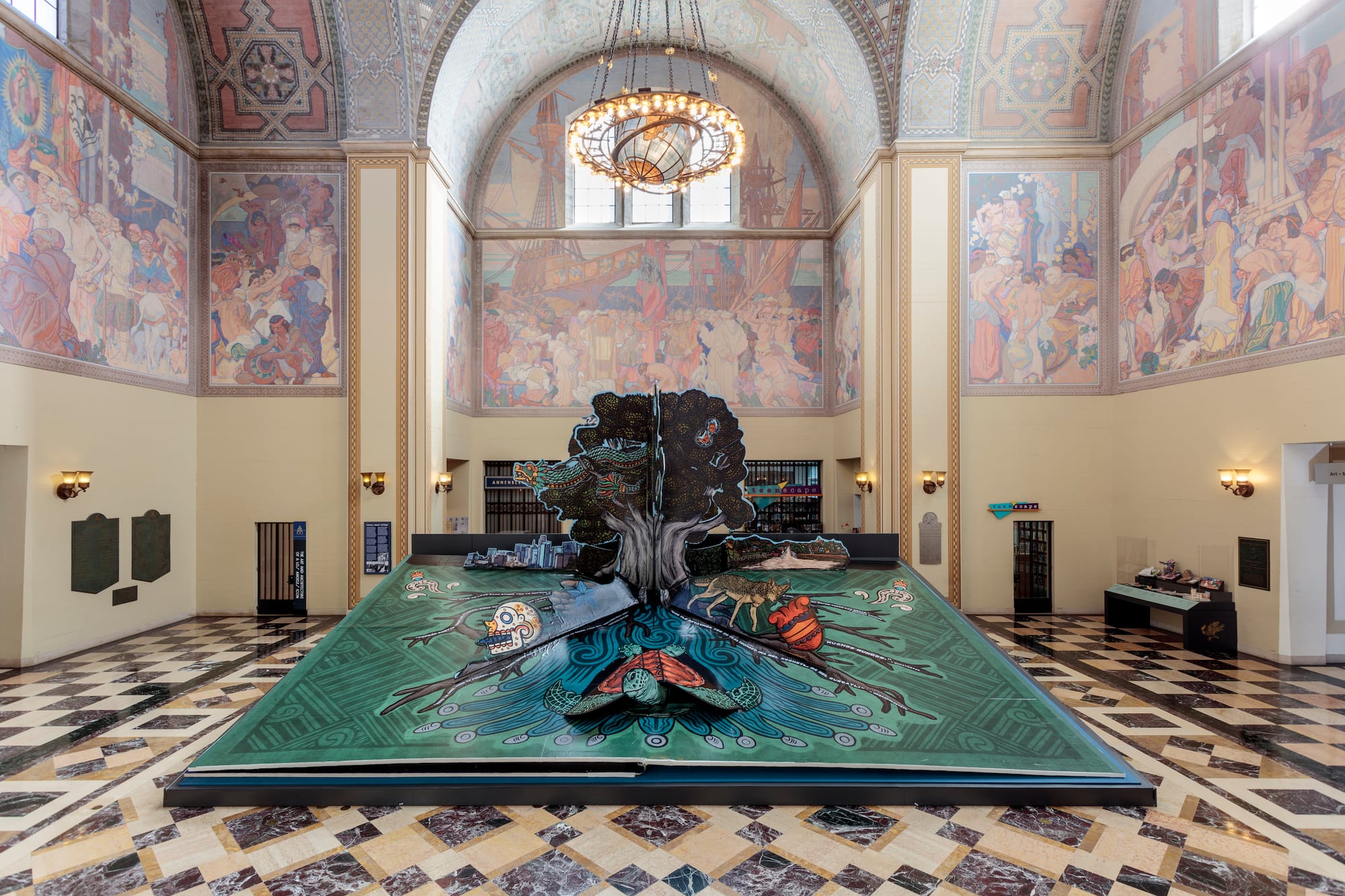
Measuring 31 by 20 feet (~9.5 by ~6.1 meters) and weighing an astounding 1,800 pounds (~816.5 kilograms), Luceros y Penumbras is undoubtedly the largest pop-up book on Earth (with official recognition from the Guinness Book of World Records). Created by Los Angeles artist Daniel González, the book is on view at LA’s Central Library in the Rotunda, beneath Dean Cornwell’s 1933 murals depicting the history of California. With paper engineering by Matthew Reinhart and fabrication by Goodnight & Co., the book blends elements of González’s personal history with the history of LA and the Central Library itself, which celebrates its centennial this year. Pages will be turned once a week, an impressive feat requiring a team of 10 to safely accomplish.
Textiles as Monument
Fowler Museum at UCLA, 308 Charles E. Young Drive North, Westwood, Los Angeles
August 9–June 2027
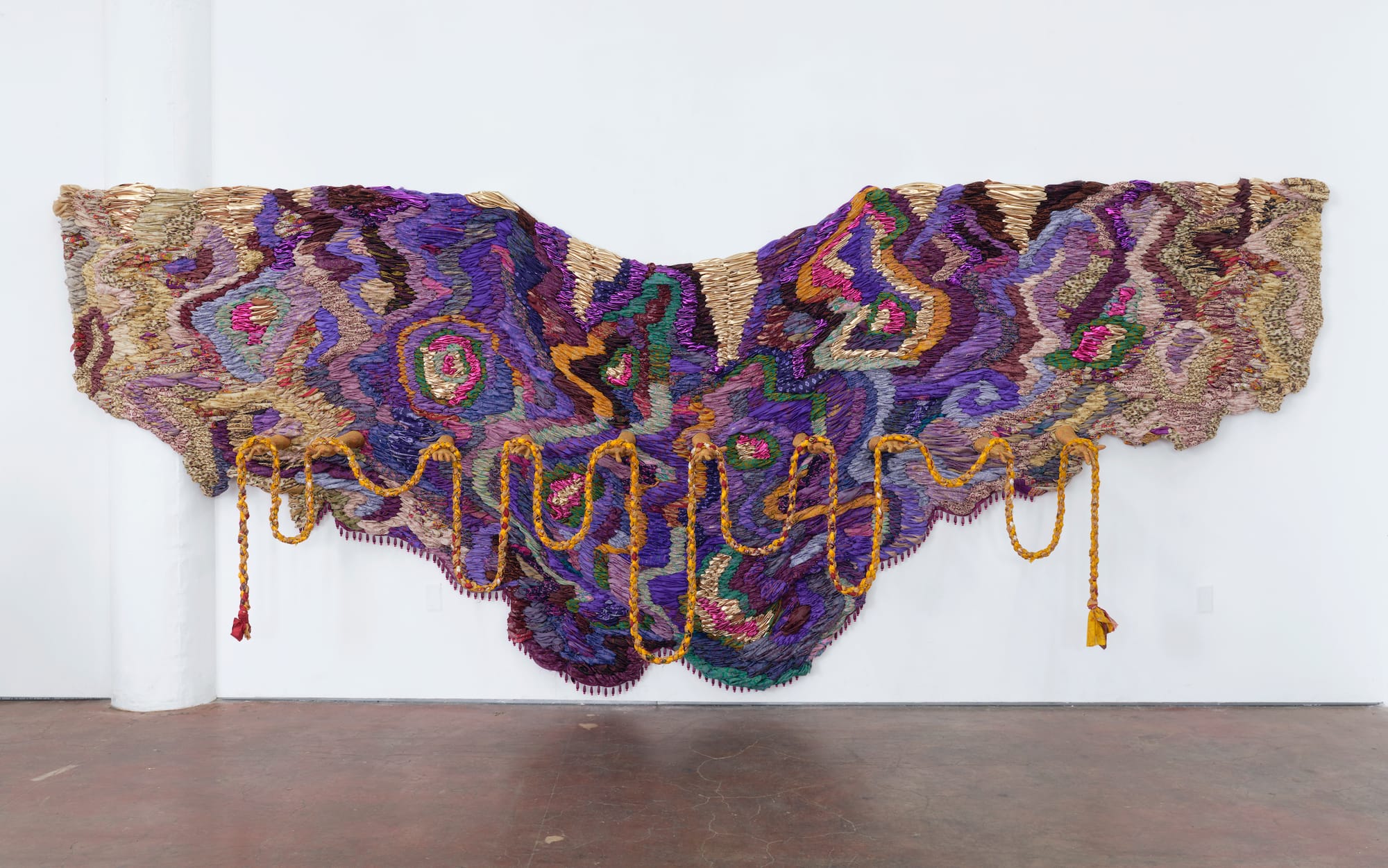
Monuments honoring influential people, mostly men, are generally made out of stone, bronze, or other materials meant to last for generations. Challenging both the materiality and the purpose of monuments, this exhibition features three artists of South Asian descent who use textiles to recognize communities who have been excluded from traditional forms of memorialization. Los Angeles-based artist Suchitra Mattai focuses on networks of migration, specifically of the Indo-Caribbean diaspora, through woven installations that incorporate saris and other found materials. Jagdeep Raina draws on research and interviews with migrant workers in LA to create embroidered quilts, commemorating the often unseen labor on which the city relies. And Swapnaa Tamhane collaborates with textile workers in India, foregrounding local traditions that have survived colonial erasure and suppression.