Iran Conflict Is Now Making Cars More Expensive Too
The Iran conflict is now hitting the auto industry far beyond fuel prices. According to a report from Nikkei Asia, aluminum prices in Japan have jumped more than 20 percent since late February amid major disruptions to supply chains across the Middle East. The Strait of Hormuz remains heavily affected, making exports difficult, while some regional smelters have reportedly suffered damage during attacks.
That matters because aluminum is everywhere in modern cars. Wheels, body panels, and especially EVs rely heavily on the lightweight metal to improve efficiency and range. Secondary aluminum alloys used in engine components are also reaching record highs. If the disruptions continue, analysts believe automakers may soon pass those higher costs directly to buyers starting next year.
Your Next Car Might Cost More Because Of Plastic And Steel
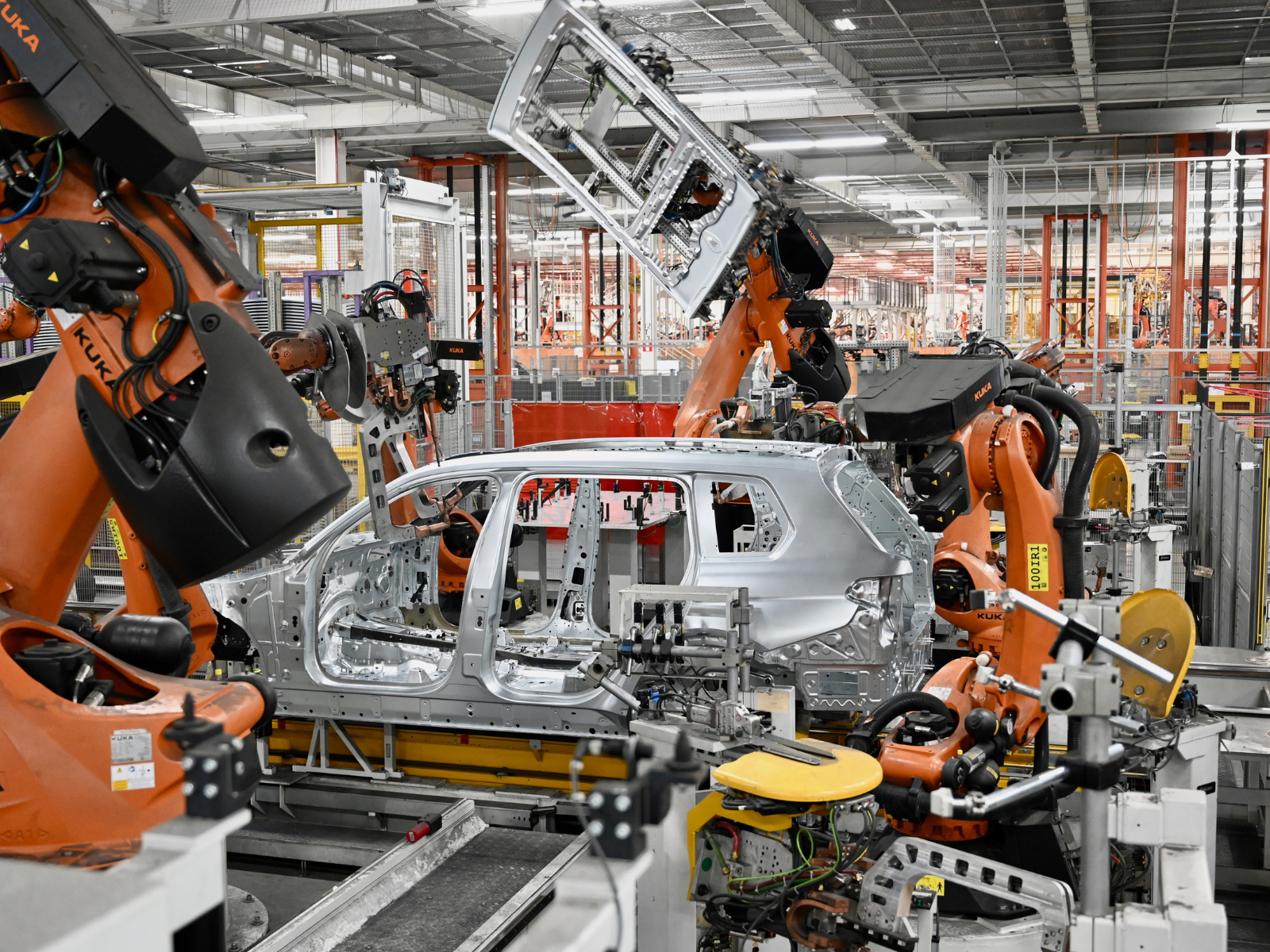
Plastics are getting hammered, too. Major suppliers in Japan have raised prices for polyethylene and polypropylene by roughly 30 percent as oil-linked feedstock costs continue climbing. These materials are essential for dashboards, trims, bumpers, and countless other parts found in modern vehicles. Many suppliers reportedly accepted the increases immediately just to secure enough inventory.
Rubber and steel prices are rising simultaneously. Tire manufacturers are already preparing for higher prices for synthetic and natural rubber, while steelmakers like Nippon Steel and JFE Steel announced price hikes of around 10 percent beginning this month. Higher electricity, labor, and shipping costs are adding even more pressure. Industry analysts warn that if shortages persist, vehicle prices could rise by as much as $600 to $1,000 per vehicle.
Getty Images
Even EVs Are No Longer Safe From The Oil Crisis
Even if tensions in the Middle East ease soon, experts say it could take months before shipping routes and energy markets fully stabilize again. The current spike in material prices is already creating fears of long-term supply shortages across the industry. In a worst-case scenario, some economists warn production itself could slow down if automakers cannot secure enough raw materials.
Ironically, rising gas prices are helping EV demand rebound as buyers look for cheaper alternatives to fuel. But EVs rely heavily on aluminum, plastics, and other lightweight materials that are now becoming more expensive. If this trend continues, even electric cars could soon see higher sticker prices. What started as a fuel crisis is quickly becoming a full-scale manufacturing problem for the global auto industry.
Tesla