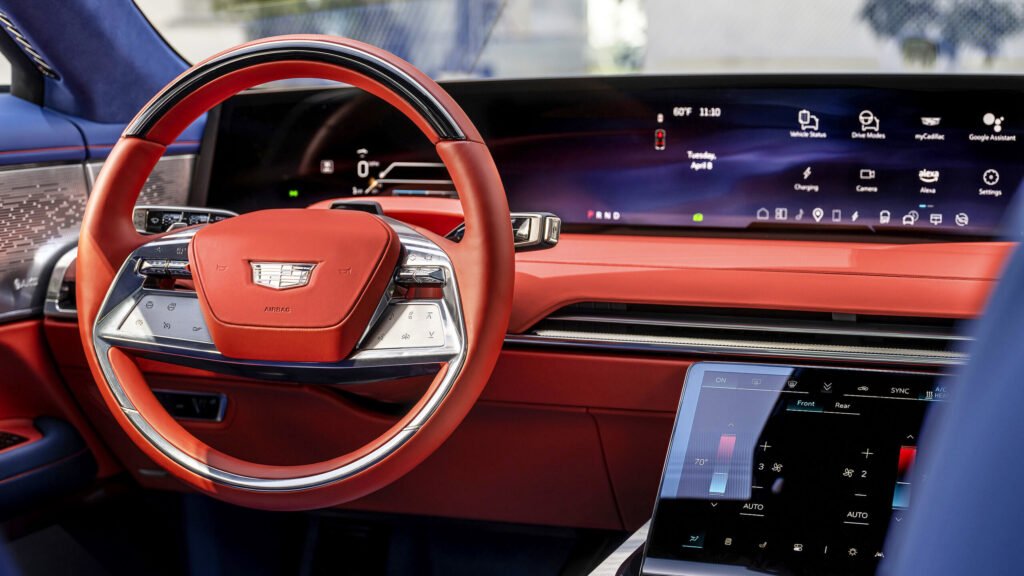
- A friendly AI assistant will soon try to sell your services and subscriptions.
- GM alone expects software and subscriptions to drive $10.5 billion in revenue.
- Advanced AI-powered voice assistants will be a key selling point in future cars.
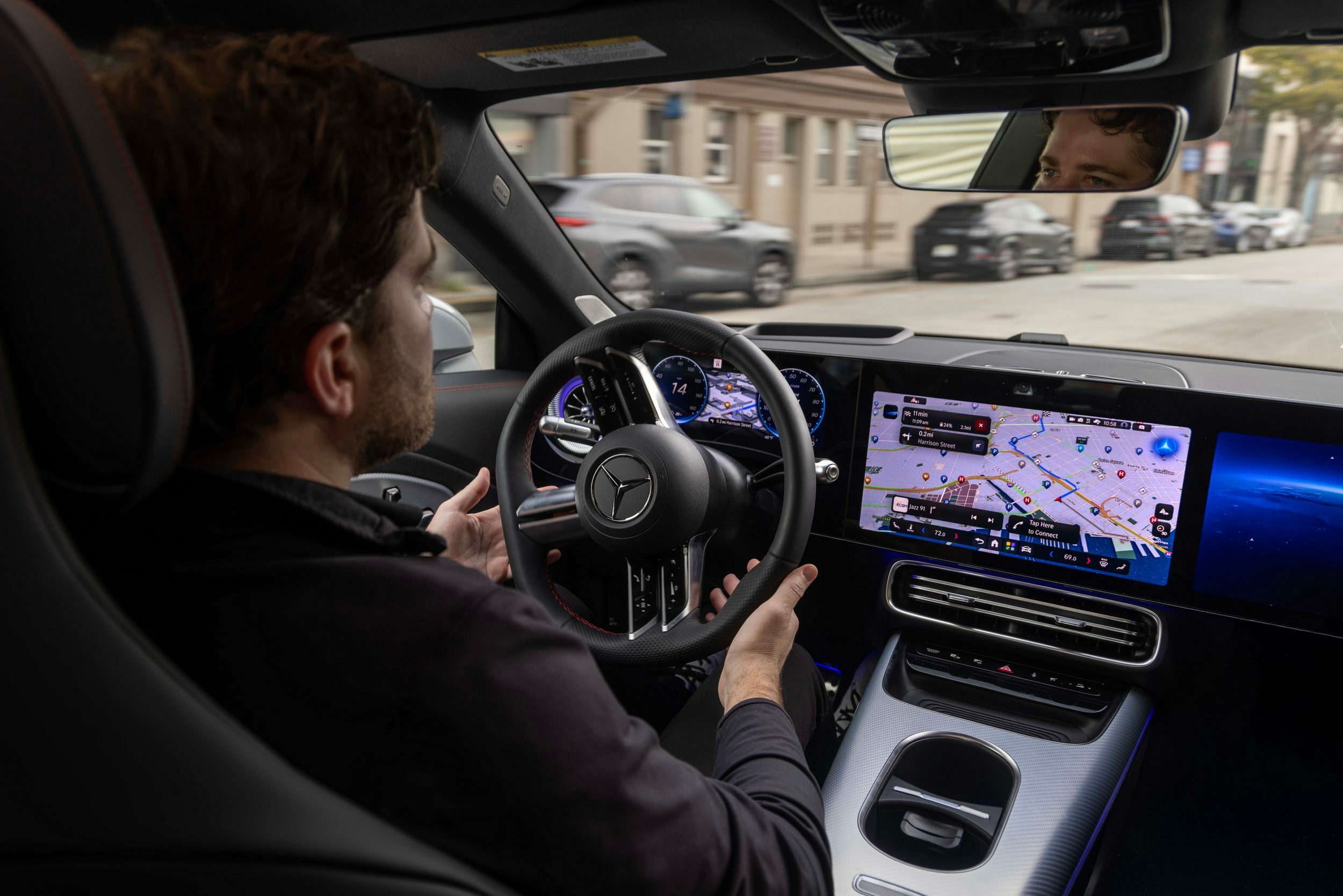
Car manufacturers aren’t simply adding new advanced AI-powered voice assistants into new models to boost convenience and improve the ownership experience. Brands also view these assistants as an important channel for selling software to vehicle owners and boosting profitability.
Using AI models has made in-car voice assistants more intuitive than ever and, in the future, will enable them to use data about the driver and the vehicle to make recommendations, such as when to schedule vehicle maintenance or even when a driver may want to stop for a coffee.
Read: GM Just Launched Google’s Gemini In Its Cars, Now It’s Building Its Own AI
General Motors is one firm eager to use AI assistants to boost its bottom line. It recently began introducing Google’s Gemini AI assistant and is also developing its own system using an in-house AI model. This custom-built AI assistant will work seamlessly in GM vehicles and anticipate drivers’ needs. GM has said it’s looking to increase revenue across its software and subscription services, currently on pace to hit $10.5 billion this year, according to Auto News.
AI That Works With A Car
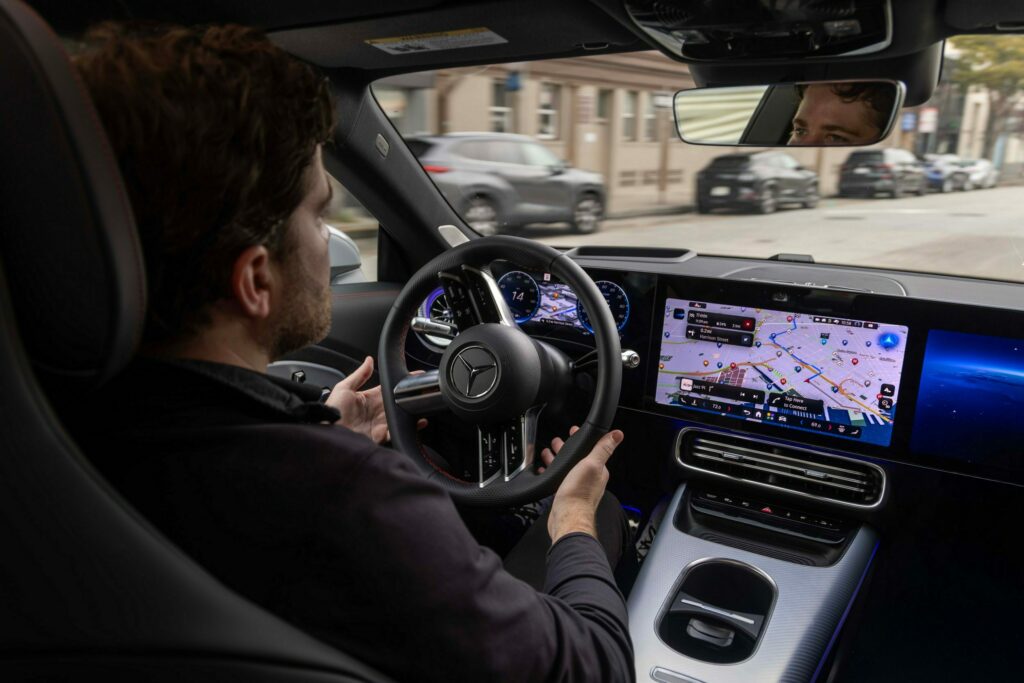
“A generic chatbot knows information,” AutoPacific director of industry analysis Paul Waatti said. “A properly integrated automotive assistant can know the state of the vehicle, its state of charge, tire pressure, route, HVAC settings, maintenance status, Super Cruise availability and eventually a much deeper set of vehicle functions.”
Stephanie Brinley from Mobility Global believes that AI assistants could become a factor in why people buy certain models over others over the coming decade. She also believes the friendlier these systems are, the more people may use them more often, meaning they’re also more likely to be open to buying whatever services or subscription assistants may be selling.
“The root of this is trying to create services that customers will buy,” Brinley noted. “The easier it is and the more friendly and natural it is, the assumption is people will use it more. And that’s probably an accurate assumption.”
Ford’s AI Assistant