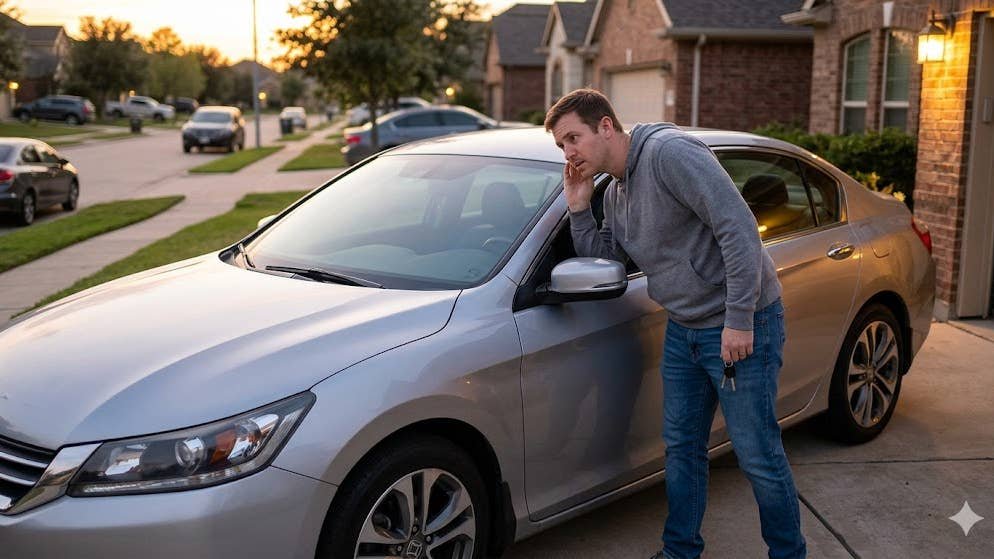
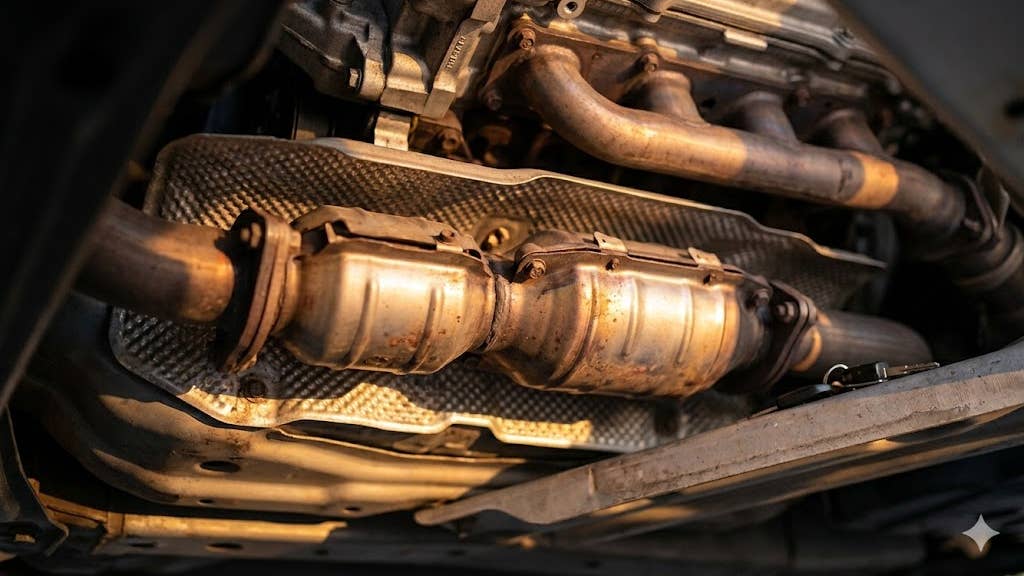
Have you ever heard that clicking sound after you get out of your car and thought, “Is it going to blow up?”, as your anxiety sets in. What happened while you were driving is that the extreme temperatures in and around your drivetrain caused various metal components to expand, and now that you’ve turned the car off, these parts begin to lose heat and cool down rapidly. As they shrink, these components rub against each other, and against other metal components such as bolts and brackets, and these micro-frictional impacts are what you hear as those clicking sounds – typical culprits being heat shields and exhaust components. It’s simply different metals contracting at different rates, and not mechanical failure.
When to Worry?
It is crucial to note that we are discussing the clicking noise you hear after you turn off the vehicle, and not while it is still running. If you hear a clicking noise while the motor is still running, or if you experience changes in performance along with a noise you don’t recognize, this would be cause for concern.
I Do Cars/YouTube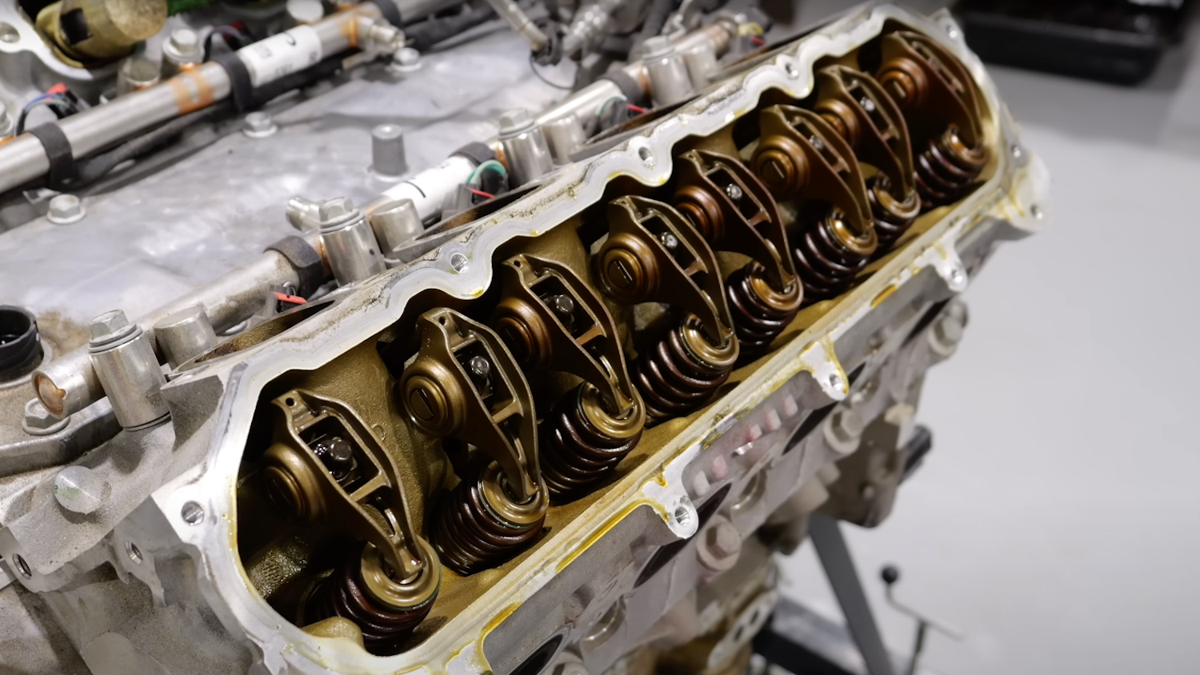
In recent reports, General Motors’ 2.0L, 2.5L, and 2.7L engines have experienced “ticking” noises caused by manufacturing debris in the hydraulic valve adjusters. Unlike the clicking we described in the introduction, this could lead to complete engine failure.
Another situation that might warrant attention would be if this ticking noise was accompanied by the smell of coolant or oil, or if you saw visual evidence of a fluid leak. In this case, it would be wise to visit a professional for their opinion. Preventive maintenance can save you thousands in the long run, and so it is important to identify new sounds, sights, and smells whenever possible, and to investigate those that you cannot explain. Modern tools leave little to the imagination when it comes to diagnosing potential issues.
Ford
No Reason to Worry Then?
When you hear that ticking sound next, remember this is the sound your car makes after it has been turned off; there is no reason to worry. It is your car’s way of unwinding after a workout. Unless the noise is accompanied by other issues or occurs while your car is still running, this is simply physics at work.