The Hybrid Power Shift
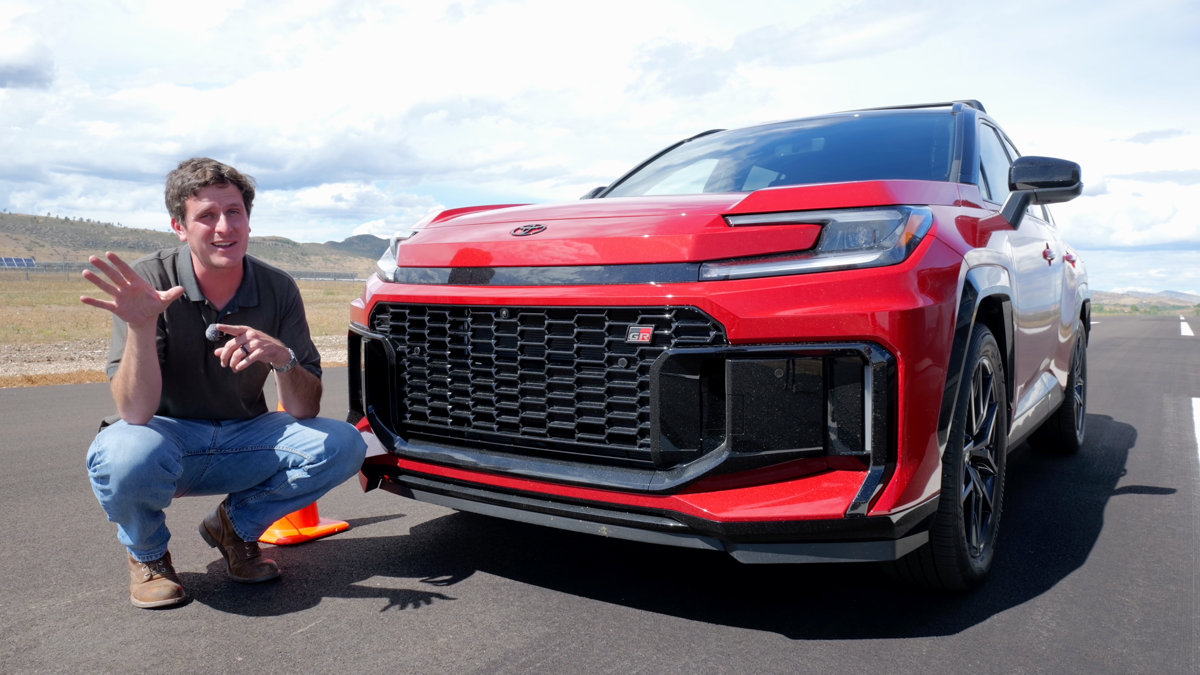
Toyota recently introduced the 2026 RAV4 GR Sport PHEV, quietly equipping its mainstream family commuter with a potent 324-horsepower electrified powertrain. The crossover pairs a 22.7 kWh battery pack with dual electric motors, delivering instant torque to all four wheels. While its exterior design resembles standard suburban transport, its straight-line metrics suggest a dramatic evolution in utility vehicle capabilities.
This technology is rapidly reshaping industry expectations for modern utility vehicles. Automakers are proving that electrified setups can consistently outperform traditional internal combustion engines in pure acceleration. A similar outcome occurred recently when a BYD hybrid truck consistently outpaced traditional full-size American pickups during independent quarter-mile testing.
Drag Strip Breakdown
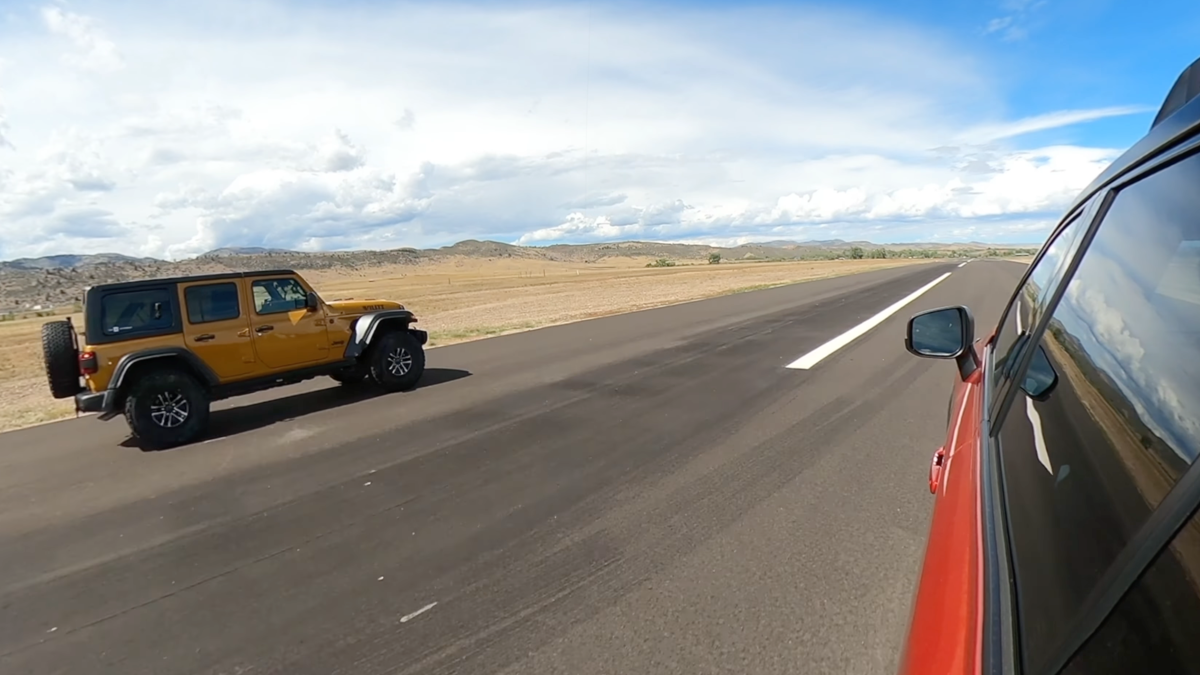
Recent drag races conducted by The Fast Lane Car demonstrate the immediate advantage of electric torque. Lined up against a standard 236-horsepower RAV4 Hybrid Woodland edition, the GR Sport easily pulled away from the launch. The plug-in model recorded a 0-60 mph sprint in just 5.6 seconds and completed the quarter-mile in 13.97 seconds, putting this practical family crossover on par with classic sports cars.
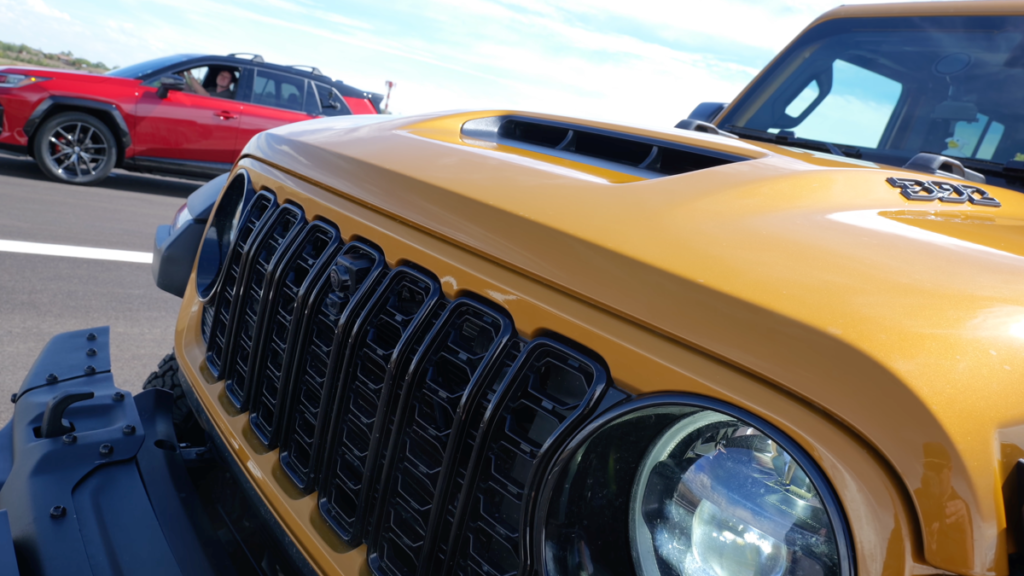
The performance gap widened when a 5,000-pound Jeep Wrangler 392 took the line. Despite packing a 6.4-liter Hemi V8 producing 470 horsepower, the Jeep struggled to match the electrified Toyota at high elevation. Even after engaging the Wrangler’s specific Off-Road Plus launch mode for a 14.39-second run, the V8 was repeatedly outpaced by the hybrid crossover all the way to its 117 mph speed limiter.
Interestingly, the GR Sport trim does not introduce any extra horsepower over the standard RAV4 Prime configuration. The manufacturer intentionally maintains an identical output across the plug-in lineup, indicating that Toyota limits power despite the underlying platform possessing the mechanical headroom for even faster acceleration runs.
YouTube – TFLCar
The Death of Displacement
Watching a purpose-built Hemi V8 lose ground to a heavy hybrid crossover forces a candid reassessment of modern automotive engineering. The Wrangler 392 provides the aggressive exhaust note and off-road heritage driving enthusiasts love, but it simply cannot overcome the mechanical efficiency of instant electric torque. The era where raw engine displacement guaranteed straight-line dominance is officially behind us.
This industry transition forces buyers and journalists to rethink how we evaluate performance vehicles today. We now operate in a market where a massive GMC Hummer EV can out-accelerate exotic European supercars without relying on sleek aerodynamics. If legacy automakers want internal combustion engines to stay competitive on the strip, they’ll need heavy supercharging just to keep up with modern family commuters.
YouTube – TFLCar