The writing has been on the wall for Volkswagen all year, but the latest developments show just how desperate the situation has become in Wolfsburg. With geopolitical pressures, an aggressive push from Chinese competitors, and internal bloat threatening the company’s long-term survival, leadership is taking extreme measures. Recently, the Volkswagen board rejected a massive restructuring proposal from CEO Oliver Blume that would have slashed 100,000 jobs, citing fierce opposition from labor representatives.
However, the cost-cutting crusade hasn’t stopped. After the initial rejection, the company negotiated a smaller reduction, with Volkswagen cutting 28,000 jobs across its core brands to save over 1 billion euros. Now, management is looking at those who remain on the payroll to make up the rest of the financial shortfall.
Volkswagen
The Zero Round Instruction
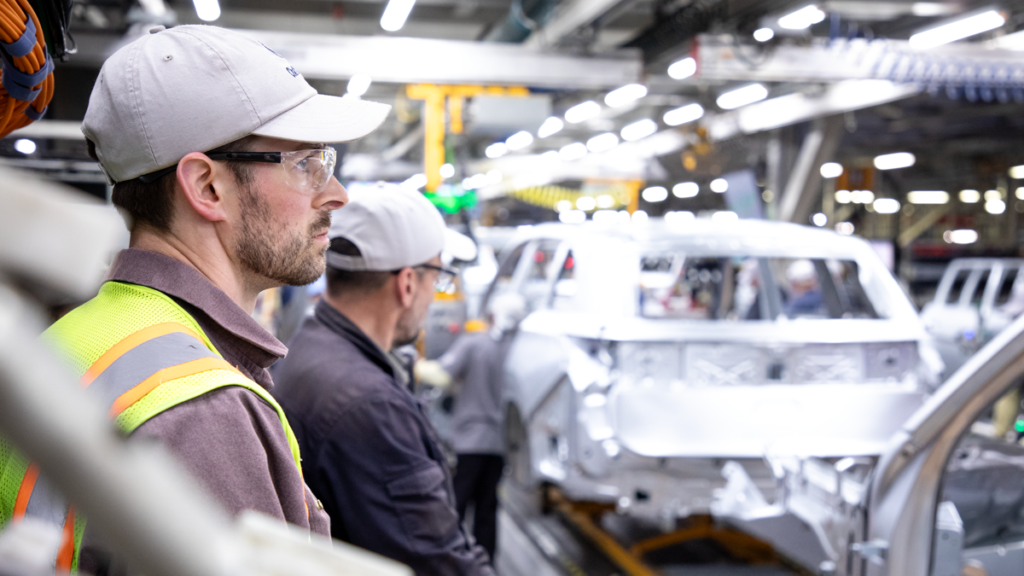
In a move that has outraged organized labor, according to Electric-Vehicles.com, VW Group plans a pay freeze for over 660,000 global employees until the end of the decade. According to the IG Metall union, VW’s human resources managers were quietly instructed in early October to plan for “zero rounds” of pay increases through 2030. This means no inflation adjustments and no negotiated raises for the foreseeable future.
The union calculates this freeze will strip staff of at least 10% of their purchasing power over the next four years. This strategy seems to be management’s fallback plan after failing to secure approval for broader factory closures and massive layoffs. By targeting compensation instead of headcount, leadership hopes to achieve the savings needed to meet its profitability targets without technically firing more workers.
Unsurprisingly, Volkswagen’s own labor chief called the company’s 8% to 10% operating return targets “pure fantasy.” The union is demanding a 5% pay increase and has accused management of an “ugly foul” by trying to balance the books entirely on the backs of the workforce while failing to address the company’s deeper structural and product failures.
Volkswagen
A Warning Sign For Western Auto
Volkswagen’s current crisis is what happens when a legacy giant moves too slowly in a rapidly changing world. They spent years riding the high of internal combustion dominance, completely underestimating the speed and efficiency of the electric transition coming out of Asia.
Now, they are trapped between massive German overhead costs and a global market that no longer wants to pay a premium for their badge. The situation is so dire that at least one economist says Volkswagen could eventually be swallowed up by a Chinese automaker like BYD if they don’t radically alter their trajectory. Punishing half a million workers with a decade-long pay freeze might plug a hole in next year’s budget, but it won’t fix the fundamental reality that Volkswagen needs to build better, cheaper cars before it’s too late.
Adam Lynton / Autoblog