Drastic Measures
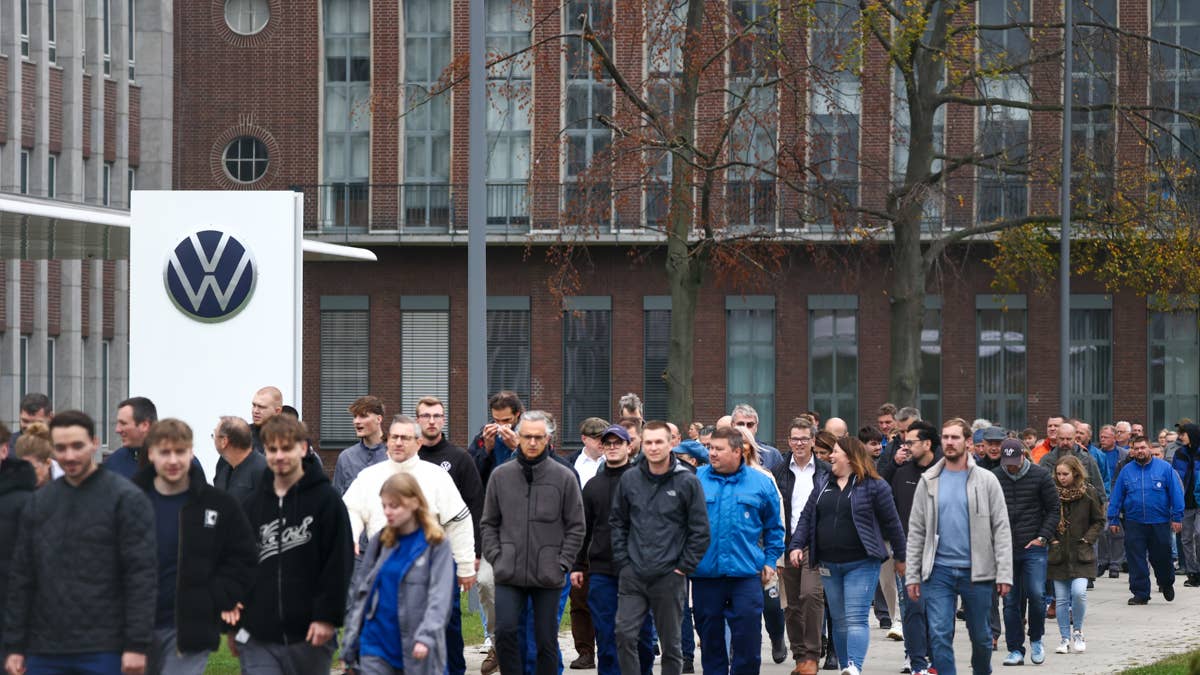
Lately, Volkswagen headlines haven’t been the most positive. While it remains Europe’s biggest automaker, the company is in crisis mode. Collapsing profits, eroding market share, and slower sales are just the tip of the iceberg, and VW has taken fairly drastic measures to scrimp and save.
Job cuts are the order of the day, and the company appears committed to laying off 28,000 people by 2030 if needed. Not only that, the group will cut production to be leaner and expects several models to be axed in the coming years. The next couple of years won’t be easy for VW, but it’s reached a point where aggressive cost-cutting measures are needed before the group sinks even further.
Another Project Bites the Dust?
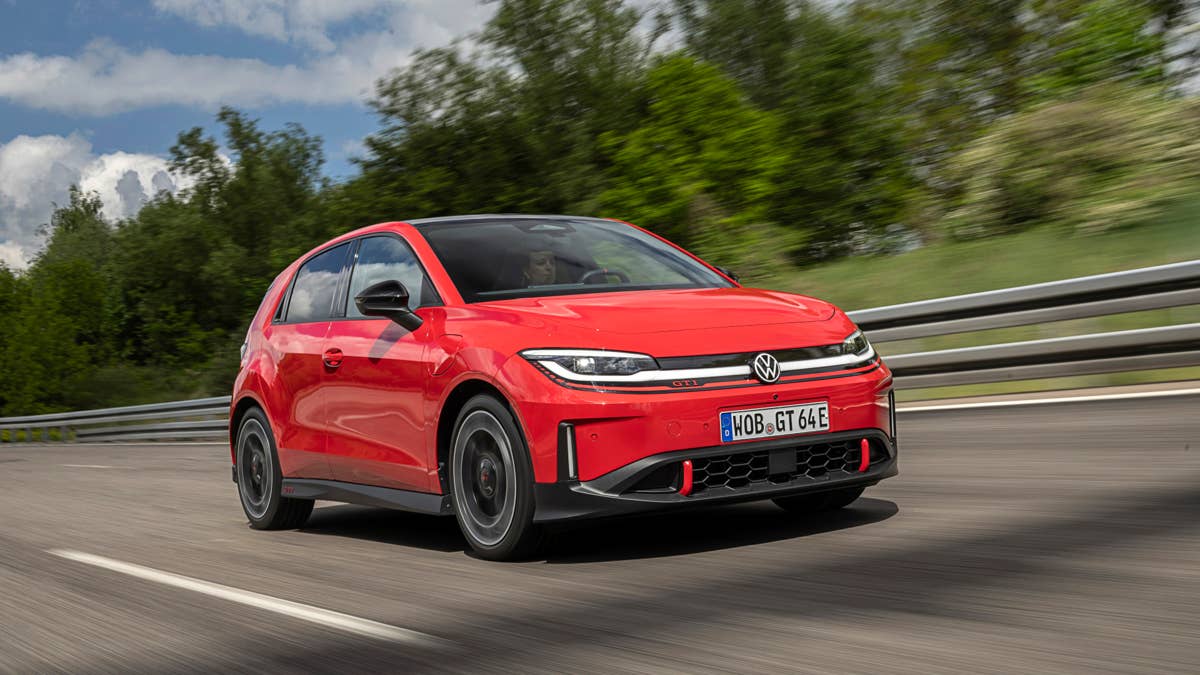
Several of VW Group’s projects have either been pushed back or outright canceled in light of all that’s happening. Chief among these are a couple of electric vehicles, as demand for them has cooled. But the most recent project to be canned is with a tie-up with Bosch for autonomous driving technologies.
That’s according to German publication Bild, and if you’re familiar with German newspapers, do take the next bit of information with a grain of salt. That’s because Bild is a tabloid newspaper, albeit a hugely influential one over there. According to the paper, VW invested €1.5 billion in the project, yet it still wasn’t up to par by the automaker’s standards.
VW
More Jobs Possibly on the Line
Bild also claimed that Volkswagen could be cutting far more jobs than the 28,000 previously mentioned. If true, up to 100,000 layoffs are possible, a massive number given the VW Group’s entire workforce. According to the company’s own figures, it employs 662,942 people worldwide, and removing 100,000 people could cripple it.
That’s also much higher than the previously projected number, so it may be inflated for the report. Either way, VW has a lot of recovering to do, not just the brand but all the other companies under its wing. Porsche and Audi will work more closely together, and platform sharing will be even more prevalent across the group’s automakers.