The Squeeze is On
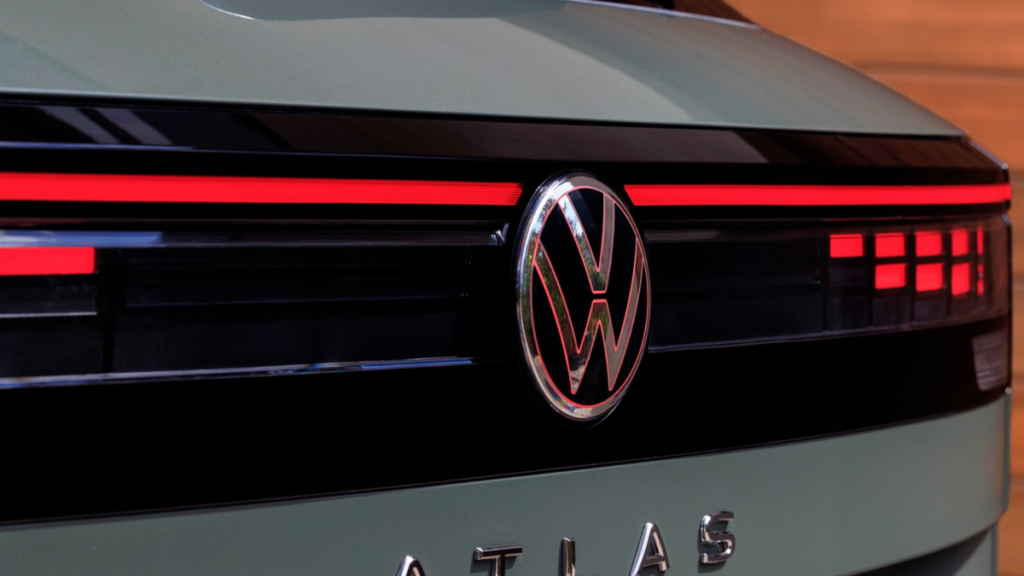
Volkswagen is in a heap of trouble, not only in its home region of Europe but also in other major markets, including China and the U.S., where import tariffs continue to weigh on its competitiveness. It even ended production of the ID.4 at its Chattanooga factory in Tennessee. As such, it doesn’t come as a surprise that the company has lowered its expected operating return on sales this year.
In a press release, VW said its profit forecast was previously between 4% and 5.5%, but with roughly €10 billion (about $11.5 billion at current exchange rates) in special charges expected from areas including Porsche, China, and restructuring, it is now down to up to 1%. That is significantly below the average analyst expectation of 4.1% and the 2.8% margin it posted in 2025.
Porsche
The Competition Got Sharper
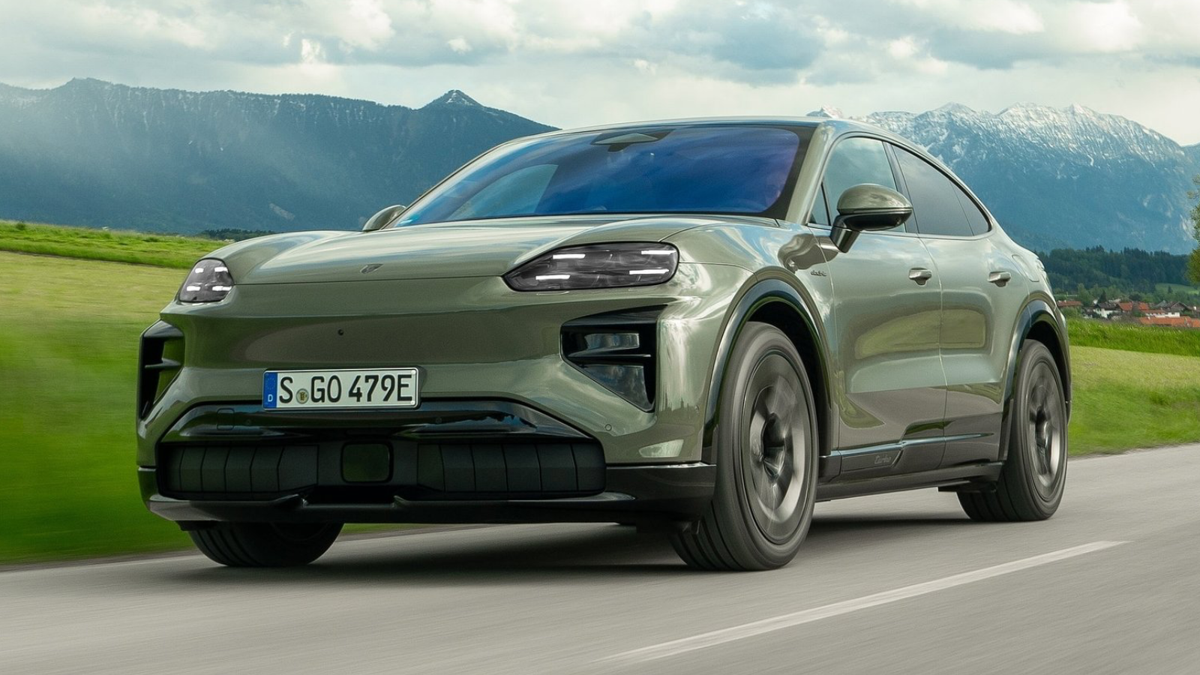
In China, Volkswagen has faced stiff competition from local players offering affordable cars packed with features. The pressure is also being felt at Porsche, which has struggled with declining Chinese demand for foreign luxury vehicles and setbacks in its EV strategy. These challenges have contributed to a roughly €6 billion goodwill impairment tied to Porsche.
However, VW hasn’t been able to shake off Chinese rivals even in Europe, where they now have a stronger foothold. A faster European shift toward EVs is also squeezing margins, as these models generally remain less profitable than comparable gas cars.
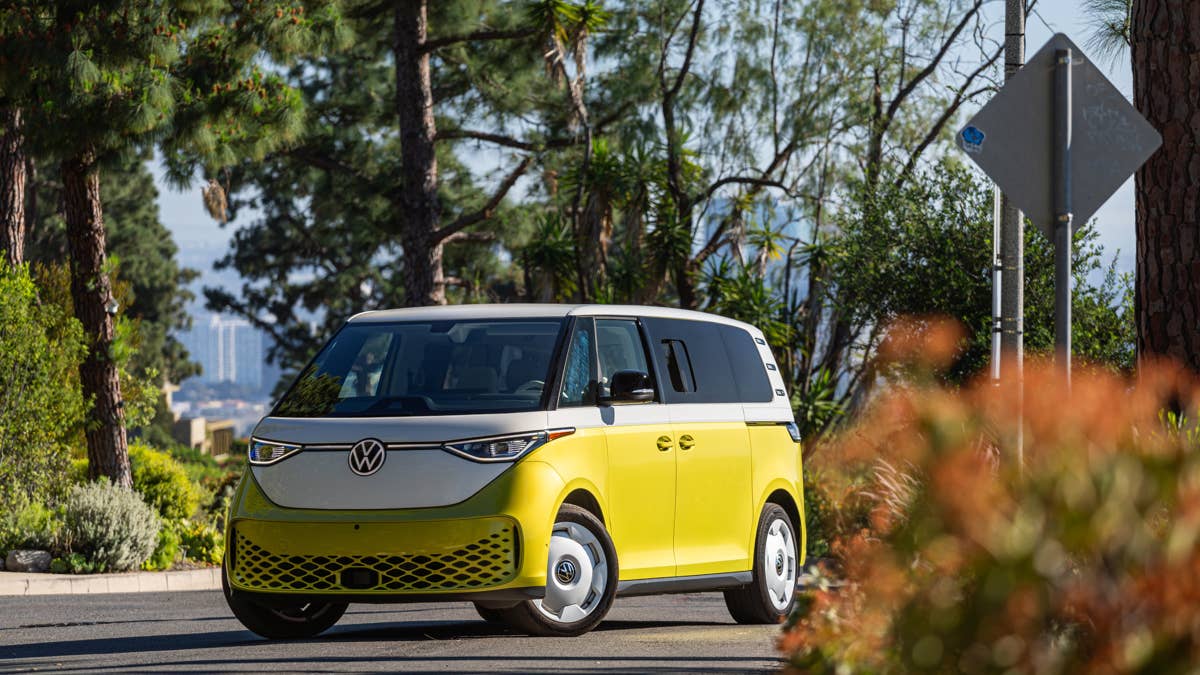
In response to the crisis, Volkswagen Group has approved a restructuring plan calling for around 50,000 additional job cuts, bringing planned reductions to roughly 100,000 globally. The future of four German plants is also in limbo. The Emden and Zwickau plants will reportedly end production first in 2031, followed by the Hanover plant – where the U.S.-bound ID. Buzz is built – in 2032. By 2034, the Neckarsulm plant is expected to follow suit.
Gabiwabi
Fighting For Survival
In the U.S., Volkswagen is exploring the pickup truck segment, with a company statement identifying opportunities in the “body-on-frame B-segment,” including SUVs and pickups. However, no models or dimensions have been confirmed, so it remains unclear whether a potential truck would compete with compact pickups like the Ford Maverick or midsize models like the Ford Ranger and Toyota Tacoma.
Whatever the case may be, at least VW is doubling down on more region-specific approaches, including the China-for-China and Europe-for-Europe strategies. It may be more complicated, but products tailored more closely to local buyers could give the automaker a better shot at reversing its slump.
Volkswagen