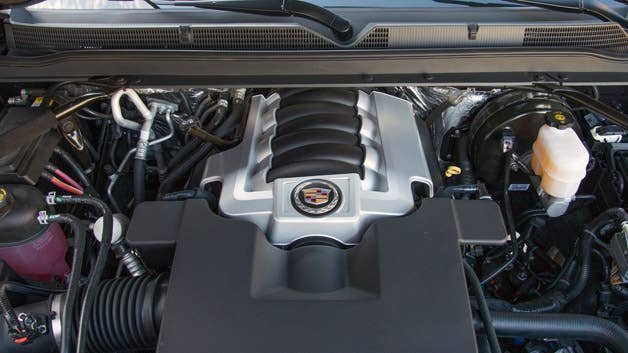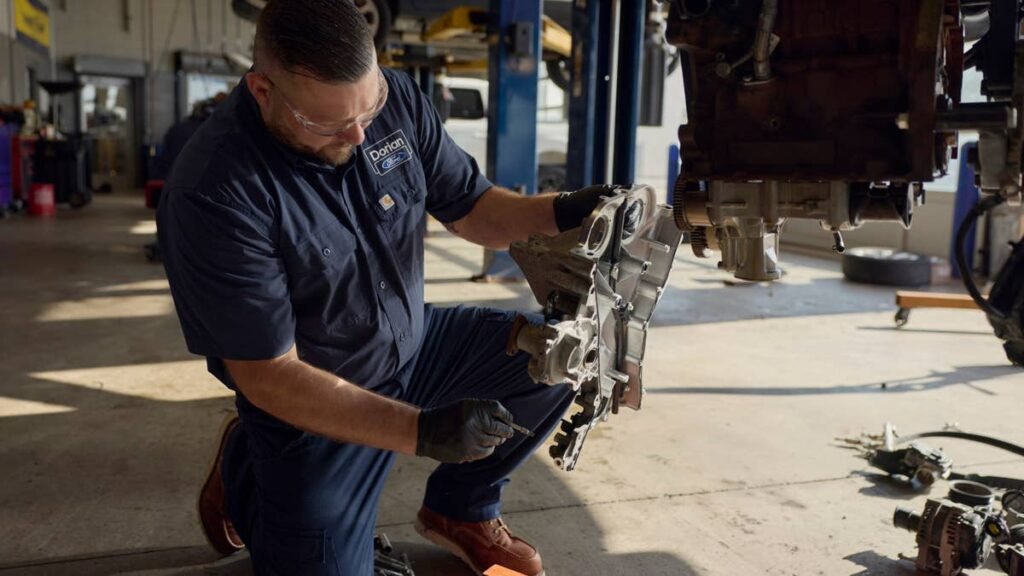
President Trump says executives from General Motors and Ford recently discussed concerns about consumers repairing their own vehicles, reigniting the debate over automotive right-to-repair legislation. Executives from both automakers, along with Penske Corporation chairman Roger Penske, met with him recently to discuss the proposal, according to Detroit Free Press. Neither the White House nor either automaker has publicly named or described a formal legislative proposal, but the conversation Trump described was pointed enough to draw attention far beyond the usual policy circles. Automakers have generally focused their objections on access to software, telematics systems, and connected vehicle data rather than routine mechanical repairs, but as we’ll see, it’s usually not as simple as that.
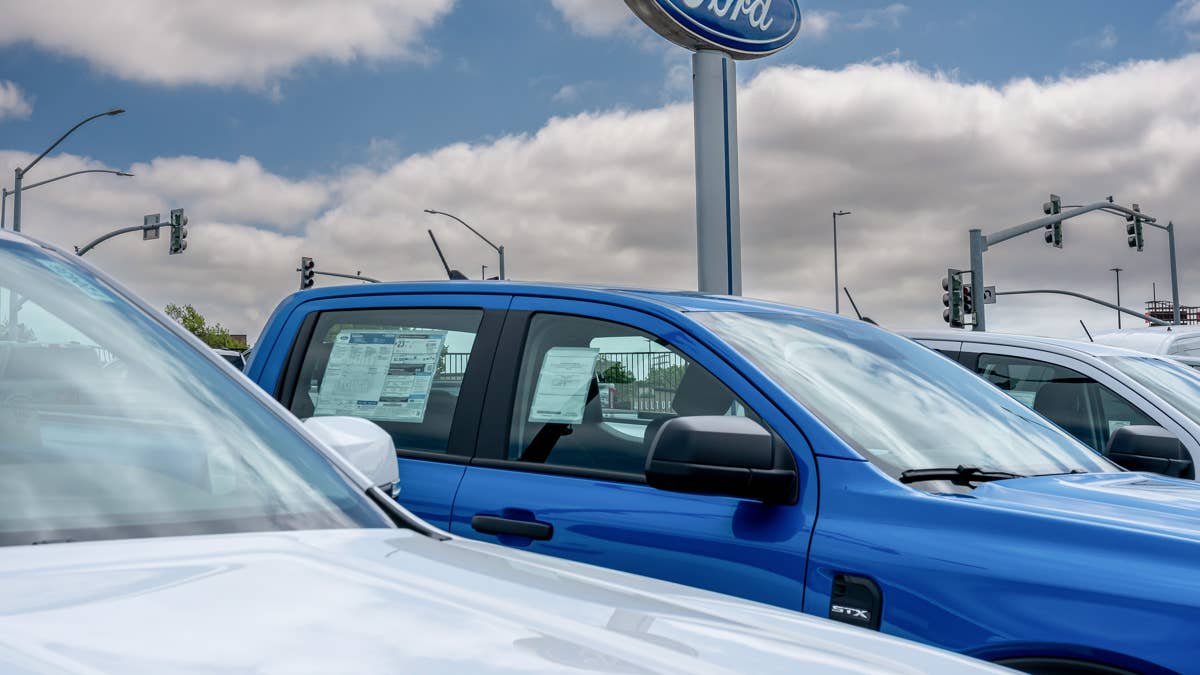
Trump In Disbelief Over Restricting Self-Repair
Trump said the automakers told him they didn’t want people fixing their own vehicles, and his response was candid disbelief. “They don’t want people to fix their car,” Trump said. “I said, that’s strange. I’d never heard of that.’” He also claimed that someone had reportedly received a seven-year prison sentence for repairing their own vehicle, though no further details or context were offered to clarify what legal case he was referring to. Ford has since confirmed that Andrew Frick, who heads both Ford Blue and Ford Model e, attended the June 3rd White House meeting, but the company offered no additional comment beyond that.
The Right-To-Repair Battle Continues
The right-to-repair debate has been simmering for years, and the auto industry has been one of its most contentious battlegrounds. Automakers have long argued that restricting access to vehicle software, diagnostic systems, and telematics data is a matter of safety and cybersecurity, not consumer suppression. Independent repair shops and consumer advocacy groups see it differently. Their position is that as vehicles become increasingly software-defined, locking diagnostic access to dealer networks forces owners into expensive, often unnecessary dealership visits for repairs that a local shop could handle at a fraction of the cost.
Several states have seen legislation on this. Massachusetts passed a landmark automotive right-to-repair law, which automakers challenged in court. The fight over what data owners can access and who gets to fix modern vehicles is far from settled. What Trump’s remarks do is drag that ongoing tug-of-war into a very public, very political spotlight.