Once again, Pres. Donald Trump is revising his tariff playbook, this time announcing he will increase tariffs on European auto imports to 25%, up from the 15% figure set in a trade deal the U.S. and EU reached last year.
The move comes at a perilous time considering the economic challenges already posed by Trump’s war with Iran. And it could cost European automakers and suppliers hundreds of millions of dollars in additional tariffs each month, based on forecasts previously made by EU officials.
The president accused the Europeans of “not complying” with terms of last year’s trade agreement. But EU officials previously said they expected the U.S. “to honor its commitments.”
Volkswagen
The Trade War Heats Up Again
As far back as his first term in office, from January 2017 to January 2021, Trump frequently threatened to take steps to increase duties on, and even ban, European auto imports. He finally acted shortly after taking office for a second term last year.
Last July, Trump and European Commission President Ursula von der Leyen reached terms on a broad deal setting tariffs at 15% on most imports from the EU, including automobiles. But the so-called Turnberry Agreement – named after a Trump golf course in Scotland – has since come under review.
Now, he said in a Truth Social post. “Based on the fact the European Union is not complying with our fully agreed to Trade Deal, next week I will be increasing Tariffs charged to the European Union for Cars and Trucks coming into the United States. The tariff,” he added, will be increased to 25%.”
Kristen Brown
A Big Hit to European Brands
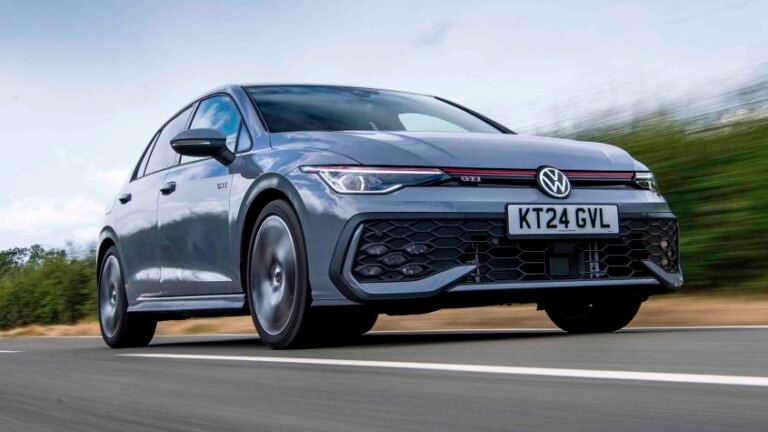
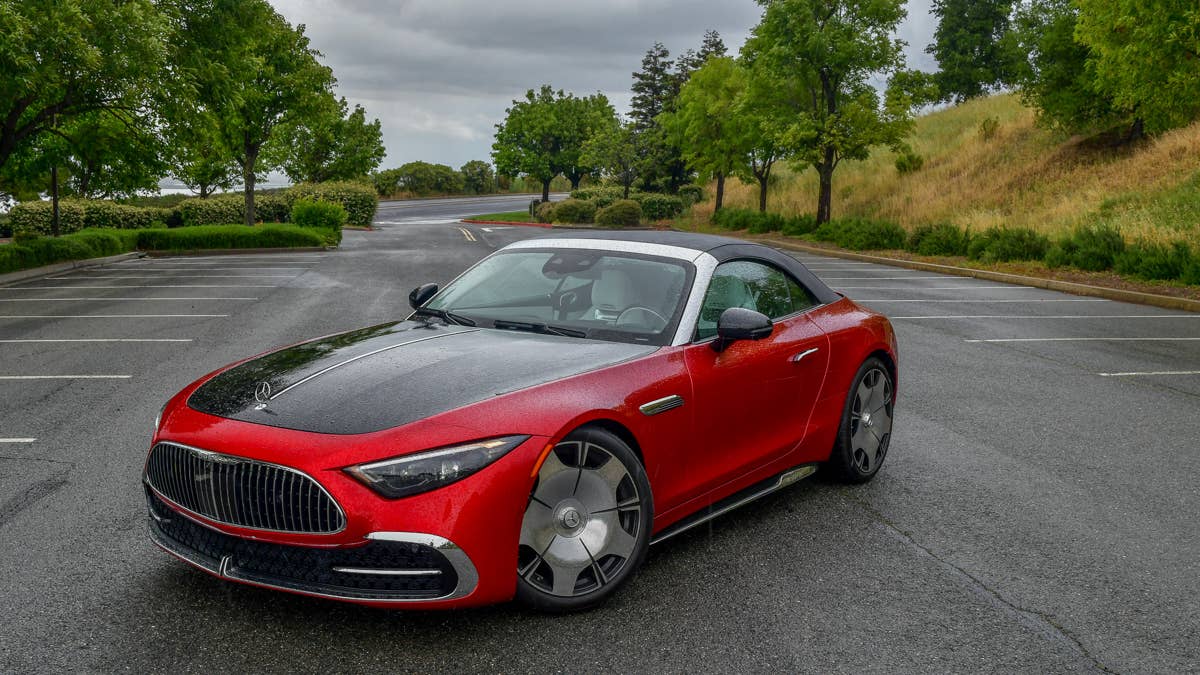
The impact of the planned tariff hike could be substantial, especially for German and British luxury brands. Tariffs are based on what are, effectively, wholesale prices. But that could still add up to several thousand dollars on a model like the Golf GTI, which starts at $34,590 before delivery fees. The increase could push into the tens of thousands of dollars on high-line models, like the Mercedes-Maybach S-Class which starts at $185,000, or a $242,700 Bentley Continental GT.
Last September, EU officials estimated that the 15% figure set in the trade deal with the U.S. would save its manufacturers from 500 million to 600 million euros, or $585 million to $700 million, a month compared to the 27.5% tariff the White House originally set. That offers a sense of how much costs go up under Trump’s latest shift.
European automakers like Mercedes, VW, BMW and Volvo do produce a number of vehicles in U.S. plants – but their costs could go up substantially, as well, if the revised tariffs broadly cover auto parts and components, as well as fully assembled vehicles. Most of the American-made models still use thousands of dollars of everything from anti-lock brake systems to powertrains supplied from the EU.

Alicia Windzio/picture alliance via Getty Images
A Deal is a Deal
The European Union is America’s largest trade partner, accounting for a bilateral 1.7 trillion euros, or $2 trillion, in goods and services in 2024, according to European statistics organization Eurostat.
EU Pres. Von der Leyden welcomed the deal after it was approved last year, but the European Commission spoke out after the U.S. Supreme Court subsequently weighed in, ruling Trump “lacked the legal authority to declare an economic emergency and charge tariffs on EU goods,” according to the AP.
“A deal is a deal,” the European Commission responded in February 2026. In that statement, the commission said it “stands by its commitments (and) expects the U.S. to honor its commitments set out in the Joint Statement.
In his Truth Social post, Trump did not offer any specific examples of where he felt the EU was not complying with last year’s trade deal.