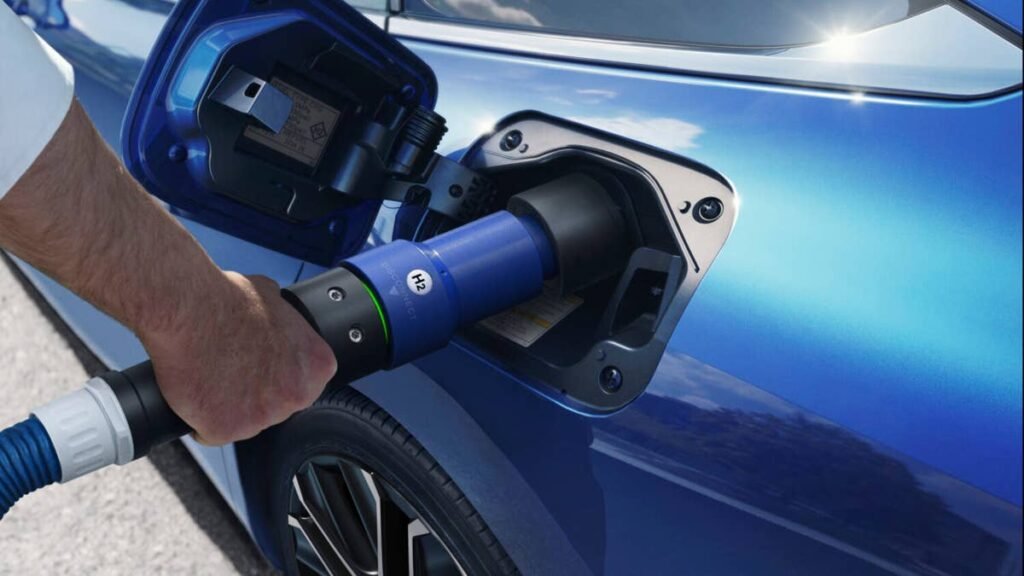
While passenger EVs are powered by lithium-ion batteries, a commercial vehicle that needs to transport heavy goods faces a different reality. The weight and volume of the battery packs, as well as charging time delays, create havoc for the logistics industry. Hydrogen fuel cells offer an incredibly attractive value proposition, with the rapid refueling and energy density of traditional diesel, while still effectively running on electricity, just without using lithium-ion batteries, ridding fleet owners of traditional EV struggles.
Toyota, a pioneer that brought us the Mirai, has long been the standard-bearer for hydrogen. However, their tech needed a high-volume commercial vehicle partner to achieve the scale required to bring costs down. EnterIsuzu, after having just announced delays to their heavy-duty Hydrogen truck, a brand synonymous with reliable commercial vehicles. The partnership aims to leverage Toyota’s fuel cell expertise and Isuzu’s dominance in the light-truck market to create a standardized, mass-produced hydrogen-powered truck, on the Isuzu Elf platform.
Toyota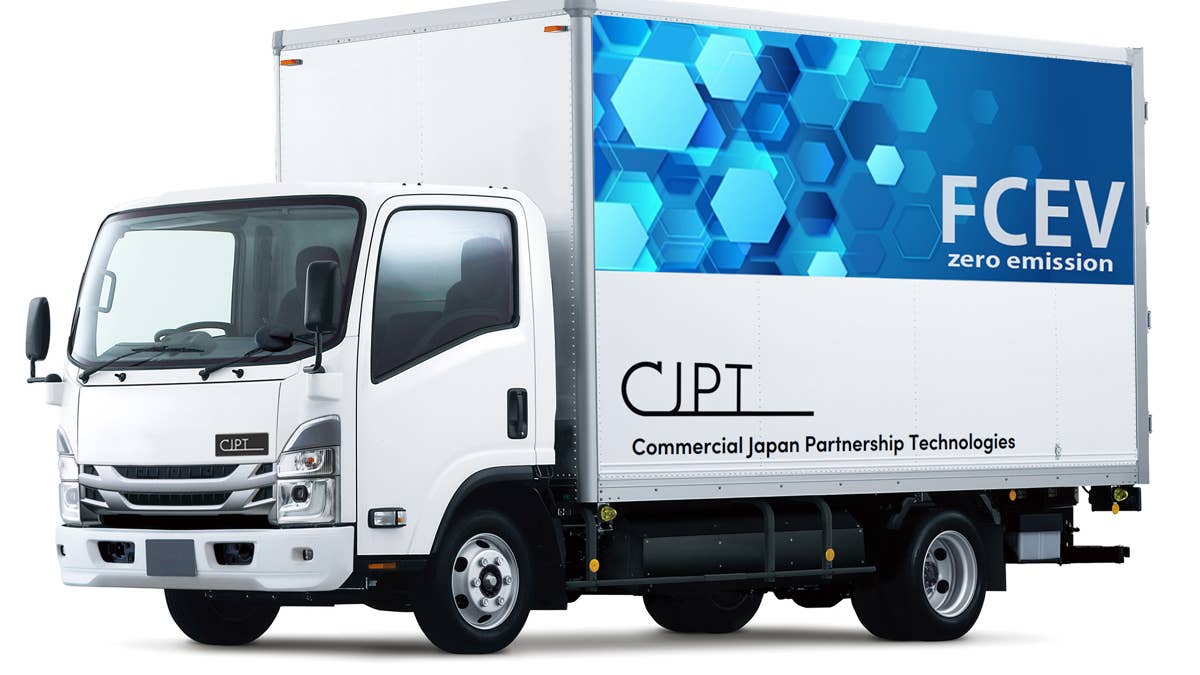
Breaking Down the Partnership
The partnership focuses on three core points:
Modular Design: By creating a modular fuel cell system, the platform will be designed to fit into any commercial-class vehicle.
Scale Benefits: Mass production is the only way to make hydrogen competitive with diesel and electric. As economies of scale teach us, by pooling resources and mass producing the technology, Toyota and Isuzu can lower the costs currently associated with hydrogen fuel cell technologies.
Infrastructure Creation: Having faced legal trouble for a lack of hydrogen infrastructure, Toyota realizes now that a vehicle is only as good as its nearest fuel station. This partnership signals to energy providers that the demand for hydrogen hubs is officially here, and Toyota and Isuzu will play their part in promoting this infrastructure transition.
Toyota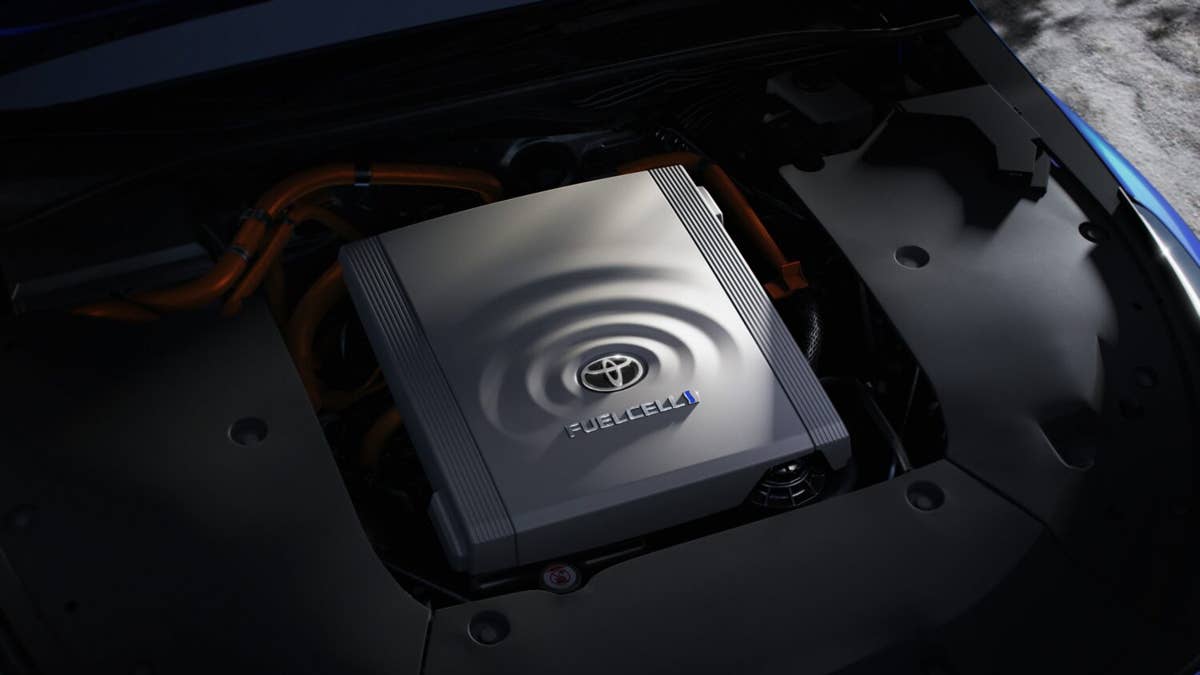
The Timing
The timing of this announcement is interesting. Isuzu announces delays to its heavy-duty hydrogen truck while immediately following that announcement with news about its partnership with Toyota for a hydrogen light-truck. This is likely because the light-truck segment is a more rational market-entry point. Having larger volumes, and being that they are used for regional logistics rather than long-haul, the initial infrastructure solutions would be region-focused – growing certain hyperlocal implementations of the infrastructure until perfected before expanding across broader regions.
The race is officially on in the electric trucking space, the race to decarbonize freight is no longer a fringe experiment—it’s a multi-billion dollar sprint. Logistics and freight businesses that couldn’t adopt traditional BEVs due to the charging downtime are looking at this Toyota-Isuzu deal with renewed interest. Hydrogen fuel-cell electric vehicles have a refueling time of 10-15 minutes, a minimal weight penalty as they weigh considerably less than multi-ton battery packs, and provide significantly less range degradation in severe cold conditions than lithium-ion BEVs. Maybe BEVs have to concede the commercial vehicle space to the newer, more promising tech.