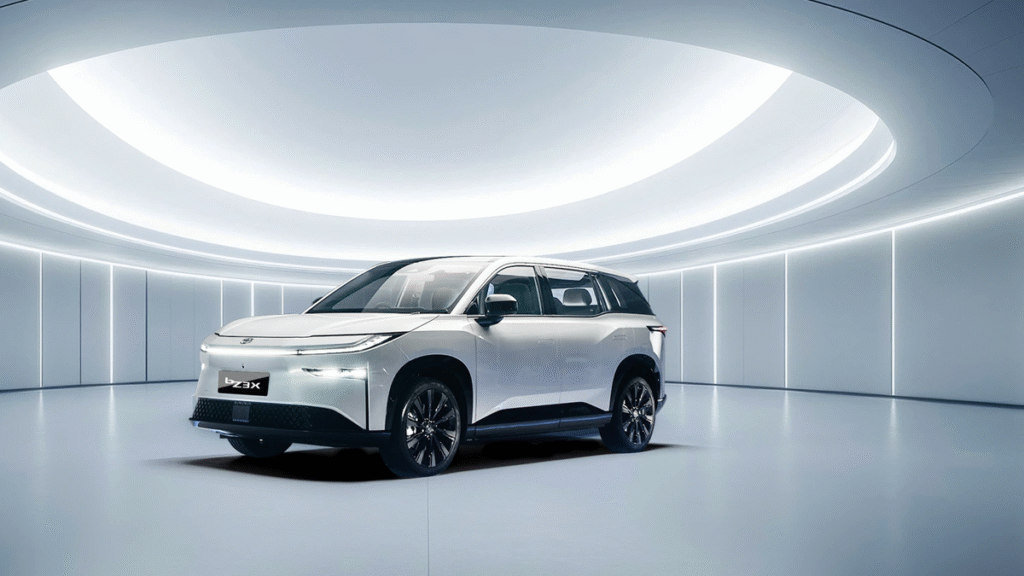
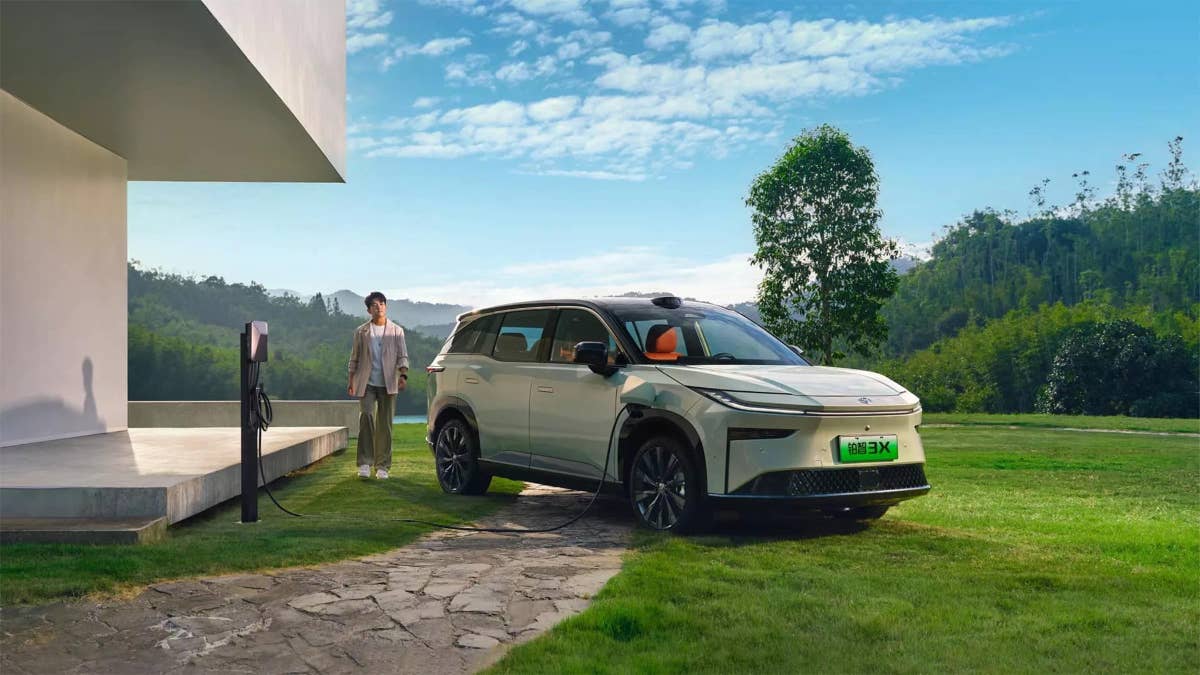
Toyota‘s bZ3X has had a year that most automakers would kill for. Launched in China in March 2025 under the GAC-Toyota joint venture badge, the compact electric SUV crossed 80,000 deliveries within its first year on the market. Since September 2025, it has held the top sales position among all joint-venture new energy vehicles in China, a run now stretching seven consecutive months. In April 2026 alone, it moved 10,027 units, a new monthly record.
Who Is GAC-Toyota, and Why Does the Label Matter?
In China’s EV landscape, automakers are sorted into two very different buckets. Domestic brands like BYD, Geely, and Xpeng operate without a foreign partner and dominate the new energy vehicle market. BYD alone commanded around 29 percent of China’s NEV market share in 2025. Joint-venture brands, by contrast, are foreign automakers paired with a Chinese state-owned company, and they are tracked separately because the competitive dynamics are completely different.
GAC stands for Guangzhou Automobile Group, one of China’s largest state-owned car manufacturers. Its partnership with Toyota, GAC-Toyota, has been selling vehicles in China for over two decades. But in a market where domestic brands are widening their lead every quarter, simply being Toyota is no longer enough. The bZ3X is the joint venture’s badge-engineered answer to that pressure, based on the GAC Aion V and outselling it in GAC’s home market.
GAC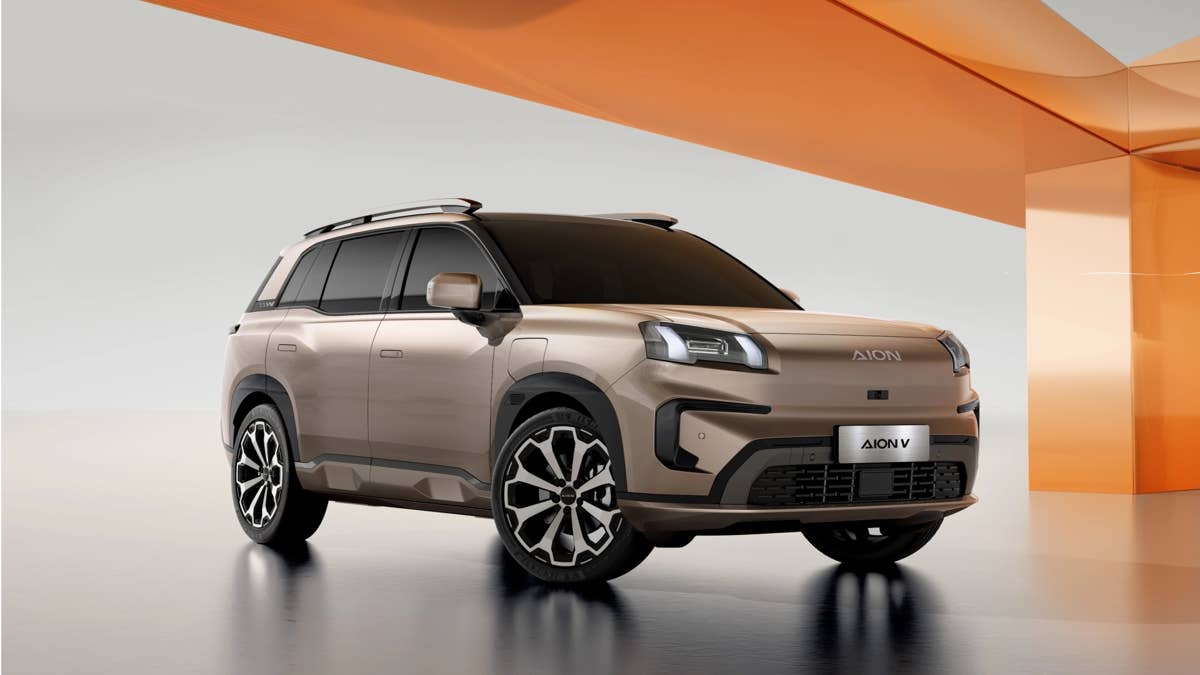
What the bZ3X Actually Is
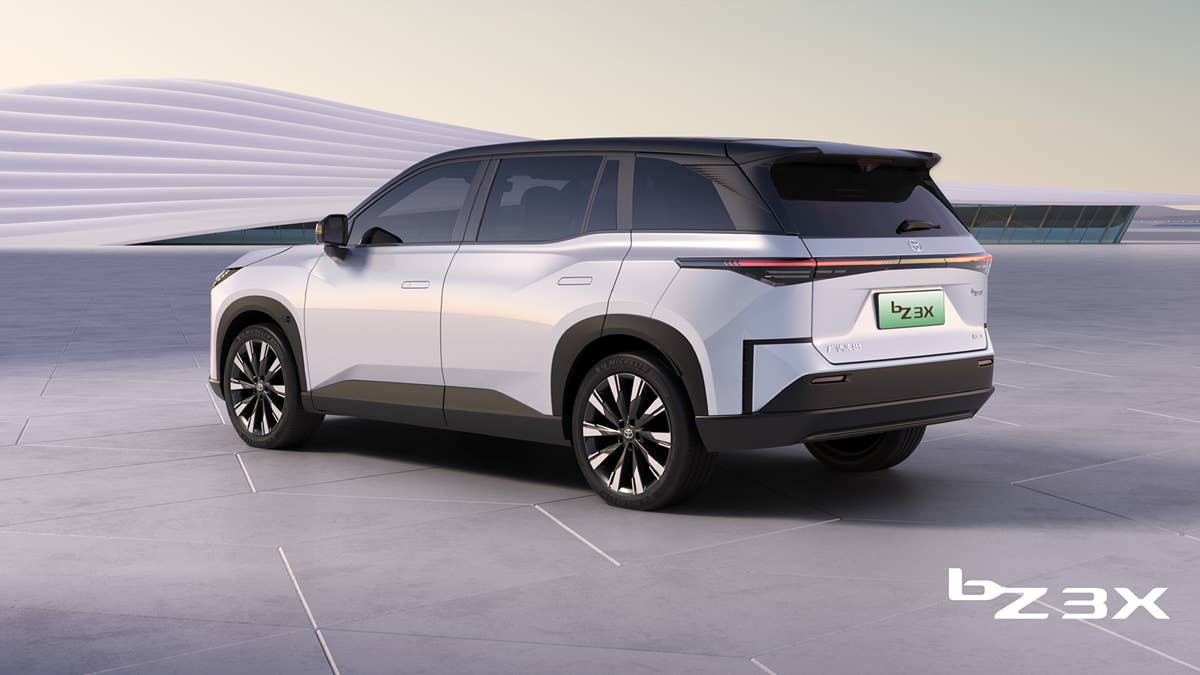
The bZ3X is roughly RAV4-sized, and it comes loaded. Seven trim levels, a 14.6-inch floating infotainment screen, 32-color ambient lighting, and Toyota’s first integration of the Momenta 5.0 driver assistance system. Two battery options cover ranges of 267 miles and 379 miles on the CLTC cycle. Pricing starts at 109,800 yuan, around $15,000, with a limited offer price of 99,800 yuan, or roughly $14,500. For reference, Toyota’s flagship bZ7 EV starts at just over $21,000 and is set to break some records all of its own.
What Americans Will Actually Pay
The bZ3X will not come to the US. It is made in China, which rules it out immediately under current tariff structures. Toyota does sell EVs stateside, but the price gap reality is jarring. The 2026 Toyota bZ starts at $34,900, and the C-HR at $37,000. And while both are solid EVs, neither is a $15,000 electric SUV.