Solid-state batteries have been the electric vehicle industry’s most coveted prize for the better part of a decade. The reason is simple. Today’s lithium-ion batteries use a liquid electrolyte that is flammable, heavy, and chemically unstable at extreme temperatures. Swap that liquid out for a solid material, and you get a battery that cannot catch fire, holds significantly more energy per kilogram, and degrades far more slowly over time. Better range, better safety, longer life. It sounds almost too good to be true. The catch has always been getting one off a lab bench and onto a factory floor at scale. Now, Greater Bay Technology, a startup backed by Chinese automaker GAC, says it will do exactly that before the end of 2026, targeting GWh-scale production and vehicle installations that would make it the world’s first mass-producible solid-state battery.
Why Everyone Else Is Still Stuck
Toyota has been chasing solid-state batteries for over twenty years. Samsung, Panasonic, QuantumScape, and a handful of well-funded Western startups have collectively burned through billions of dollars in R&D without reaching mass production. The fundamental problem is that every leading approach, whether sulfide, oxide, polymer, or halide-based electrolytes, carries its own trade-offs. Sulfides conduct ions well but react badly with air and moisture, making manufacturing a logistical nightmare. Oxides are stable but brittle, cracking under the pressure of repeated charge cycles. Polymers work only at elevated temperatures. Halides show promise but remain difficult to synthesise at scale. Manufacturing yields stay low, costs stay high, and nobody has cracked the code on making solid-state batteries reliable enough to put in a car you sell to the public. Few have claimed to come close, but Greater Bay Technology might be the best bet yet.
YouTube – @DonutLabOfficial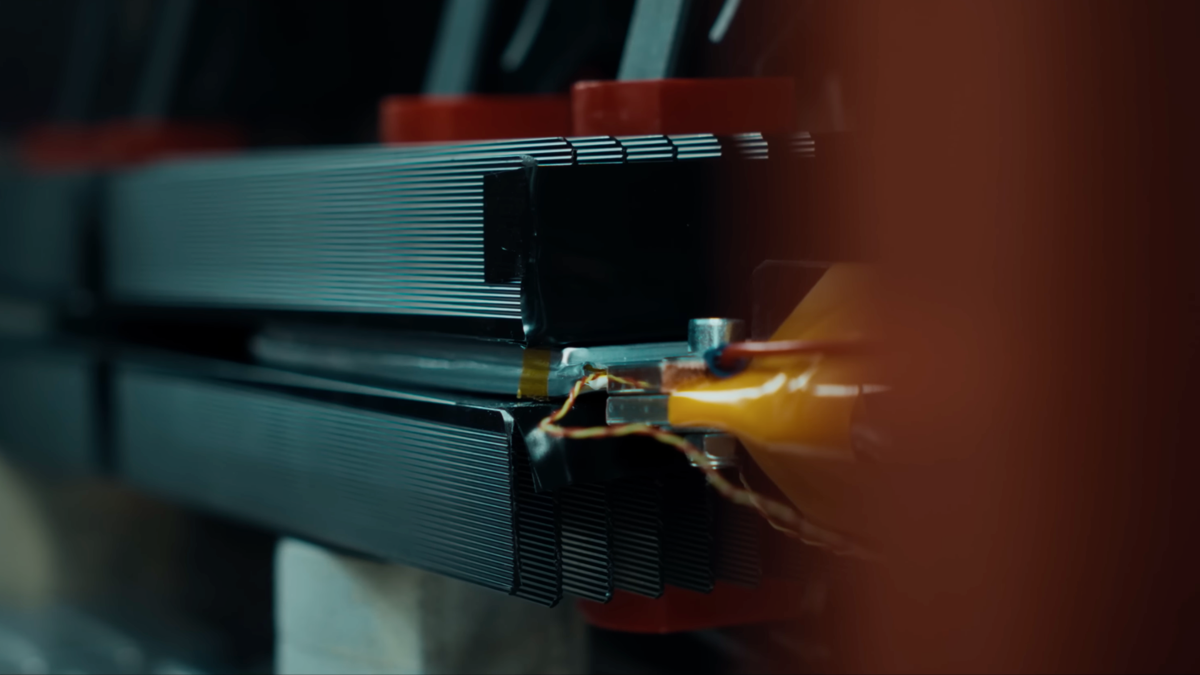
How Greater Bay Technology Is Playing It Differently
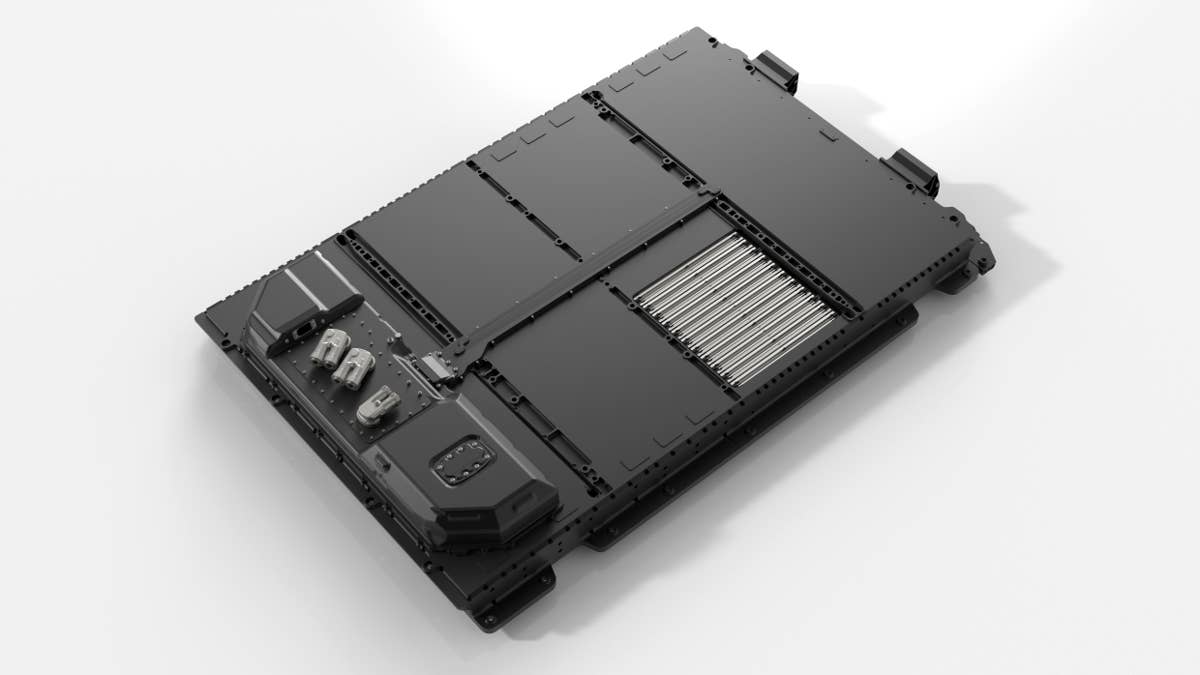
Rather than betting on a single electrolyte chemistry, Greater Bay Technology developed a composite approach, blending organic and inorganic materials into what it calls an ESC all-solid-state electrolyte system. The resulting A-sample cells hit energy densities of 260 to 500 Wh/kg, support 2 to 3C fast charging, and passed nail penetration and crush tests without fire or explosion. If the production timeline holds, EVs don’t just level up; they change the playing field.