The Engine That Started the Teardown
The all-new 2027 Chevrolet Silverado is getting two new engines from General Motors’ Gen 6 small-block V8 family. This powertrain is preceded by the 6.2-liter L87 – which has been tied to a major recall and lawsuits involving crankshaft, connecting-rod, and bearing failures – and, before that, the L86. The latter was closely related to the C7 Corvette’s LT1 engine, though it was adapted for truck applications.
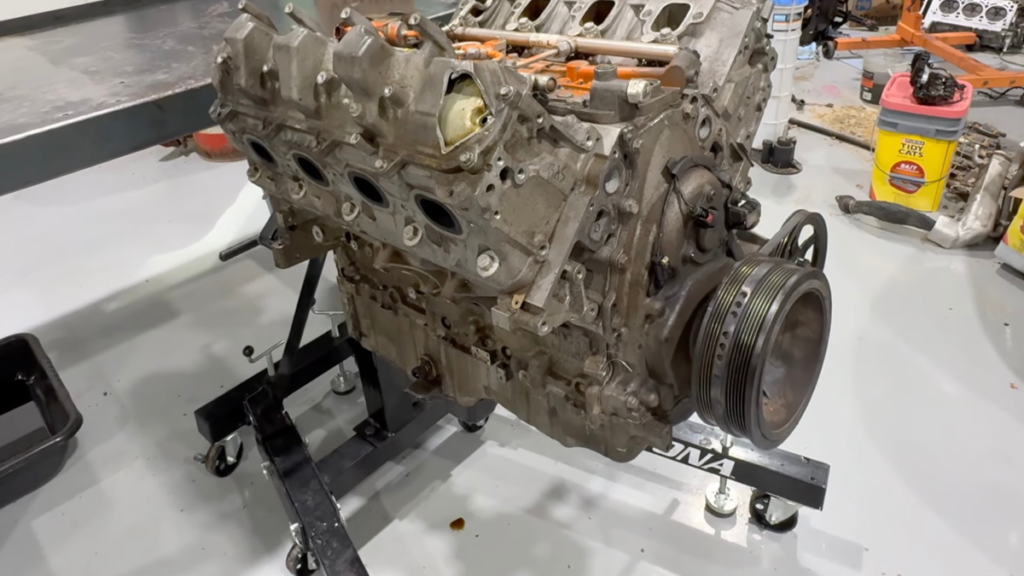
Given the L86’s truck-focused design, it’s interesting to see what happened to this specific example from a 2014 Chevy Silverado High Country, which had large holes in its block. Eric from I Do Cars sought to determine the culprit by completely tearing it down.
This Truck Had Seen Some Things
After checking Carfax, Eric found that the donor Silverado had passed through six owners, all in South Carolina, and accumulated more than 200,000 miles. With that much history, neglect by one or more previous owners could have been part of the equation. However, the teardown suggested that the failure may have been more complicated than that.
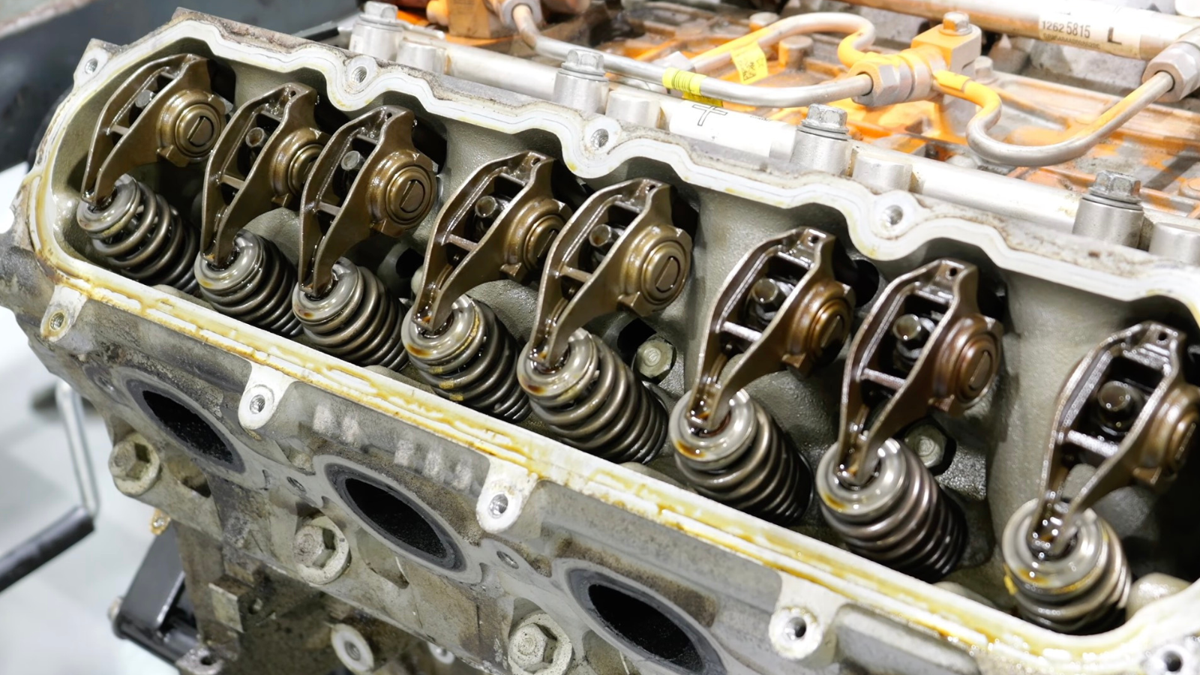
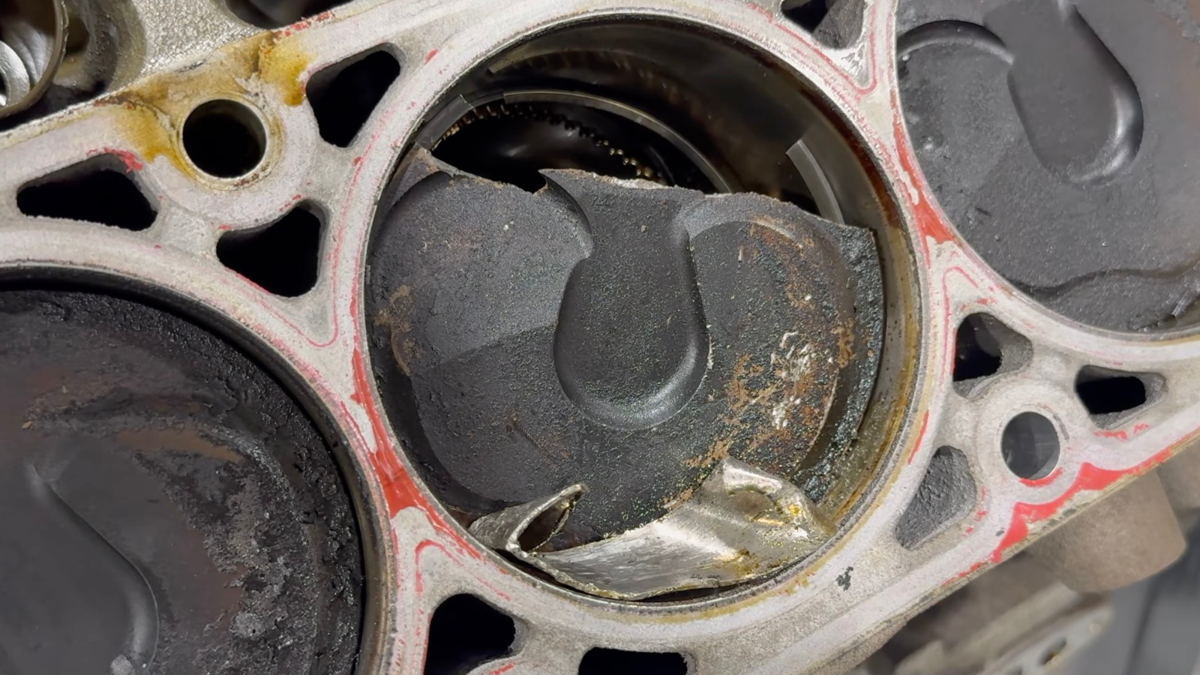
Most of the components in the cylinder heads were in reasonably good condition, especially for a 200,000-mile engine. However, after removing the left-hand cylinder head, the mechanic found that one piston crown had been destroyed, with connecting-rod-bearing debris resting on top of it. The teardown also revealed a destroyed connecting rod, a missing wrist pin, and damage to the cylinder walls.
Despite the carnage, the engine did not show obvious widespread signs of an oil-starvation failure, such as overheating or discoloration throughout the rotating assembly, that would easily explain the catastrophic damage.
What Eric did find was that the Active Fuel Management system had been deleted and an aftermarket BTR camshaft installed. AFM is commonly removed to avoid potential problems with its specialized lifters, in exchange for slightly higher fuel consumption. One of the connecting rods also appeared to have been replaced, based on its noticeably different discoloration compared with the other rods, further suggesting that someone had previously worked on this L86.
Someone Had Been Here Before
Because the engine was likely rebuilt, errors such as incorrectly sized parts or improper assembly cannot be ruled out. The mechanic suspected that it may previously have dropped an intake valve or experienced a similar high-RPM mechanical failure that compromised the rotating assembly.
If that theory is correct, GM may not deserve all the blame for this particular failure. Instead, it highlights the importance of quality maintenance and repairs, which can be compromised by factors ranging from improper parts and assembly practices to cost-cutting.