Rich Bellis completed an MSc. in environment and resource management at Vrije Universiteit Amsterdam in June 2026, focusing on food system transformation. His 15-year business journalism experience includes staff editor roles at NBC News, the Wall Street Journal and Fast Company in New York.
The views expressed in this article are the authors’ own and do not necessarily represent those of AgFunderNews.
Saline agriculture has a supply and demand problem.
Years of research and field trials have demonstrated many ways to grow crops sustainably in saline conditions. But even as punishing droughts, saltwater intrusion and intensive irrigation threaten to drive up salinity, commercial recognition of the problem remains weak, and so does the nascent market for solutions to it.
The FAO estimates that elevated soil salinity already affects nearly 1.4 billion hectares worldwide, or at least 10% of global land. Salinization is forecast to keep chipping away at the productivity of key agricultural regions and scrambling farm economics. It doesn’t help that “saline agriculture” is mainly thought of as series of steps producers can take to adapt to salinity, overlooking the constellation of businesses purpose-built to grow food on salt-affected land. Nor that these diverse enterprises currently lack a collective vision for their role in the next-generation food system they’re striving to build.
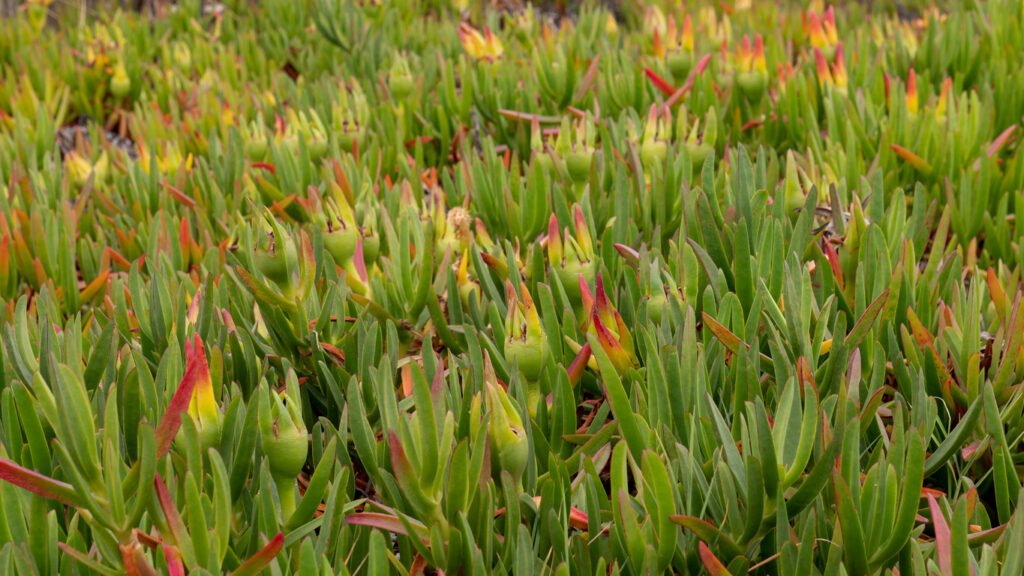
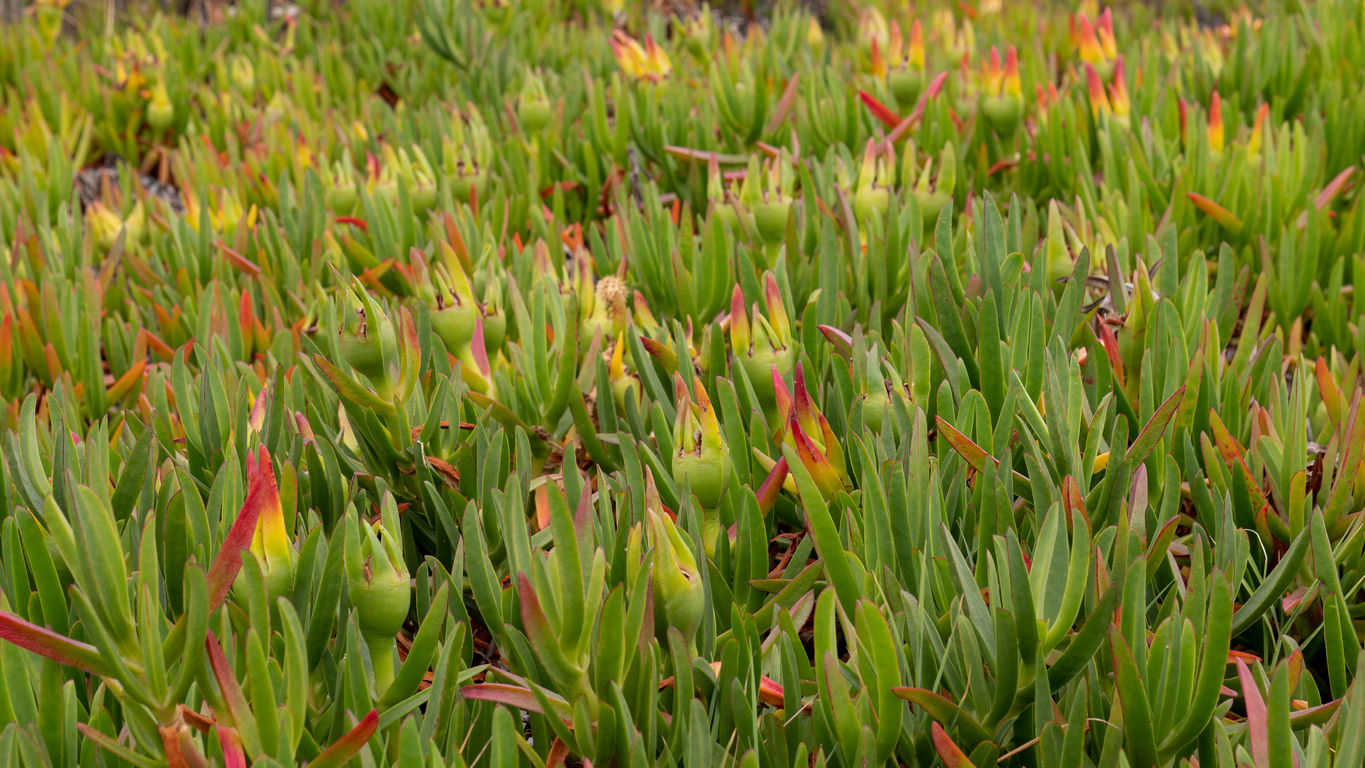
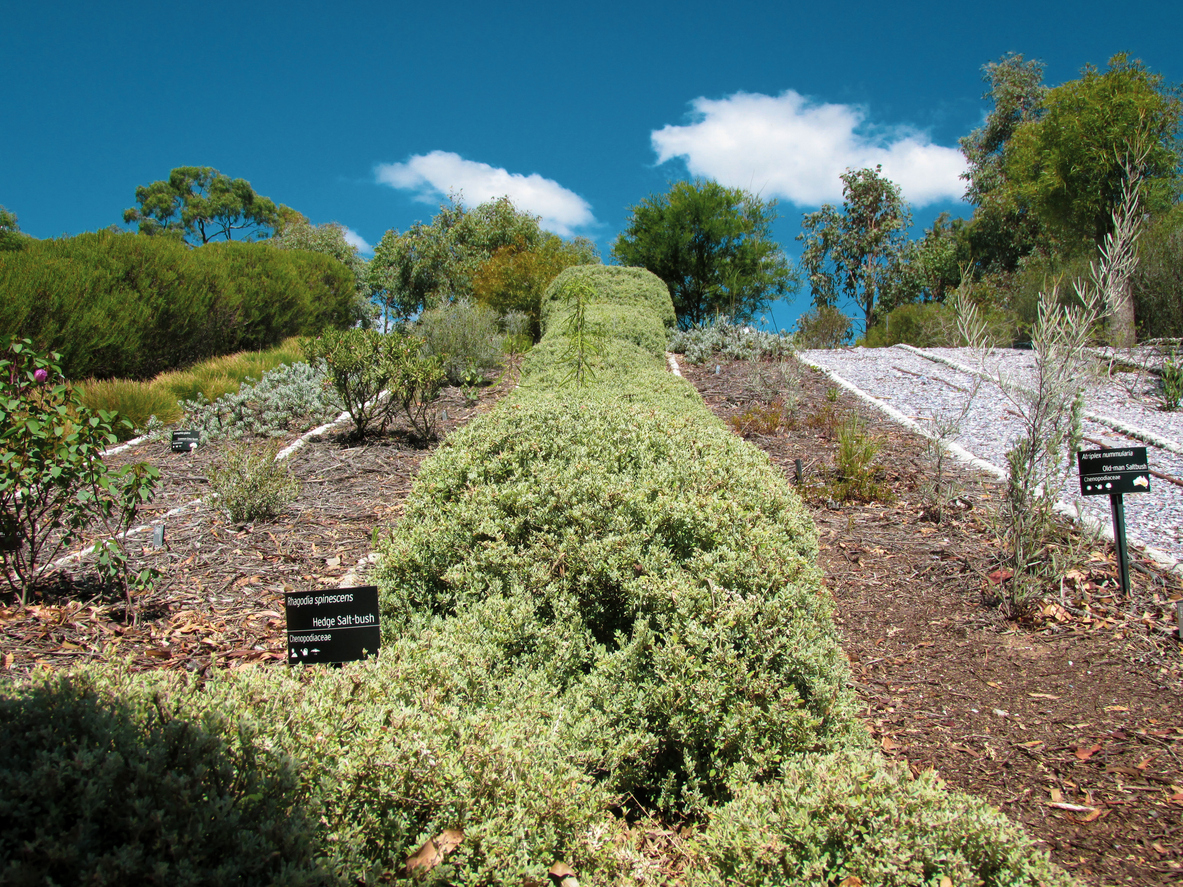
This is the picture that arose from interviews with 15 such businesses in eight countries across North America, Europe, Asia and Australia. Some grow salt-loving “halophyte” plants, like salicornia and saltbush, in settings from coastal deltas to arid interiors. Others are biotech and agrochemical firms improving salt-tolerance in rice or potatoes, irrigation consultancies and desalination technology providers. Yet in research the IVM Institute for Environmental Studies in Amsterdam recently published in a report I coauthored with Dr. Kate Negacz, ties across this ecosystem proved uneven: While halophyte farmers form a tight-knit niche, some operators focusing on conventional crops are scarcely aware of each other.
Nonetheless, one common thread emerged: Most of these actors said market development challenges were holding back their ambitions to scale.
“It all comes down to demand,” a small salicornia grower said. (All were granted anonymity to discuss their businesses for research purposes.) “We’re investing into marketing and spreading awareness about how efficient and good of a plant this is.” But these costly efforts would make “better sense in terms of numbers and farming when we have better demand,” he said, “rather than simply burning money.”
Putting salinity on the map
Among climate-adaptive agriculture’s top targets, from extreme heat to freshwater scarcity, salinization is something of an ugly duckling.
The problem has been rigorously studied but rarely makes headlines, and entrepreneurs routinely described how hard it’s been to put salinity-focused interventions on the map. One biotech addressing multiple abiotic stressors said that salinity was currently the “least priority.” Even at gatherings like the annual UN conference on desertification that wrapped up in Ulaanbaatar, Mongolia, recently, salinization hasn’t seemed to feature prominently in discussions of land degradation.
Some of this may reflect what’s easy to notice on the ground. “When the blight is killing your field, [farmers] see it,” one seed treatment expert said in the study. “The heat, they feel when it’s very warm and they see that the crop needs water.” Salt buildup is stealthier. It can require special instruments to diagnose and tends to progress gradually, unlike a heat wave, disease outbreak or storm surge.
That doesn’t mean the responses offered by saline agriculture ventures are a lost cause. Many providers of these solutions said demand was rising, albeit more slowly than hoped. Most said their ability to innovate and experiment, find collaborators and valuable resources was relatively strong. In fact, the chronic funding shortfalls and bankability constraints that have long plagued agrifood (including in saline agriculture) weren’t described as a primary obstacle.
Instead, weak awareness, steep customer acquisition costs and the chicken-and-egg dilemma of how and whether to invest in the large operational buildouts needed to secure major supplier contracts were core challenges. Even so, many saline agriculture entrepreneurs insisted they were ready to scale up, if only they could generate sufficient revenue growth and sustained adoption. Most were admirably committed to sticking it out even if they couldn’t.
‘How do we get into the boardrooms?’
Research and policy around saline agriculture has been well-attuned to the idiosyncrasies of dealing with salinity, and for good reason: The problem has multiple causes; what works in one crop or region—or even on a single plot—may fail in another; and contextual factors like local production methods and market dynamics vary just as widely. Yet much less attention has been paid to the shared barriers operators face to commercializing their interventions.
This gap matters. Indeed, many of the same market-development challenges were identified repeatedly among vastly different businesses in the study, and these resembled some of the most common obstacles faced by maturing startups and scale-ups across the agrifood industry. (They map almost identically, for instance, onto the demand issues seen in the adjacent category of seaweed aquaculture.) What’s more, saline agriculture operators frequently viewed business models that could crack these traction problems as the most scalable. They placed comparatively less emphasis on sales growth, cash flow and other more conventional metrics.
Some entrepreneurs voiced deep frustration, bordering on disbelief, that market development has proved so difficult. Many see their paths to scale as running through, rather than around, incumbent firms and believe corporate partnerships should be easier to come by.
“How do we get into the boardrooms of these companies? How do we do it?” one experienced halophyte grower asked rhetorically. “I thought it would all happen organically…but it hasn’t.”
This disappointment reflects operators’ firm conviction in the value—commercial, social and ecological—of their products and services. A developer of desalination and greenhouse infrastructure for arid environments described his approach as a simple, clearly superior alternative to drilling ever deeper irrigation wells in the desert. But the market kept saying otherwise. “I’m a slightly lonely voice bleating in the wind,” he said, “and nobody’s listening.”
Sustainability, broadly defined
One halophyte grower operating in an abandoned salt flat described herself as pioneering a form of farming that ticked multiple boxes—sustainably cultivating undervalued, nutrient-rich crops with multiple uses, all while restoring an ecosystem and valorizing land that’s otherwise worthless. “We are preparing the future, that’s why we started this,” she said. “And because they are super-plants.”
For this and other entrepreneurs, sustainability was a core motivator. In fact, none of the 15 operators said they were in it primarily to make money. Even those who saw their businesses as moonshot bets with significant potential returns were driven by the chance to make societal and environmental impacts, too.
However, sustainable outcomes were defined and prioritized very differently from one operator to the next—a misalignment that threatens their upscaling. With few agreed-upon sustainability metrics, actors across the sector may struggle to develop a coherent narrative with which to engage investors, business partners, policymakers, institutions and the public. This also risks putting a ‘green ceiling’ on their environmental impacts; few saw themselves as having to make business-vs.-sustainability tradeoffs. But scale, should it come, might change that—as the widespread preference for compatibility with incumbents may put pro-environmental decisions in the crosshairs.
Future policy, research and institutional support should address this risk head on, ideally by spurring greater coordination among saline agriculture operators on environmental goal-setting and measurement. External stakeholders and organizations should also redouble support for advancing growth and commercialization among the actors already running salinity-focused companies. Help establishing trade groups, developing market research, exploring partnerships and fine-tuning brand strategies are just as essential for the emerging space today as further agronomic innovation.
Indeed, if this study underscored anything, it’s that saline agriculture is no longer only a series of crop, soil and water management practices for farmers to implement. It’s also a business ecosystem of purpose-driven entrepreneurs whose diverse portfolio of interventions are tailored to different customers and contexts around the world. It just needs to be cultivated to grow.
The post There’s a market for saline agriculture. It just needs a boost appeared first on AgFunderNews.