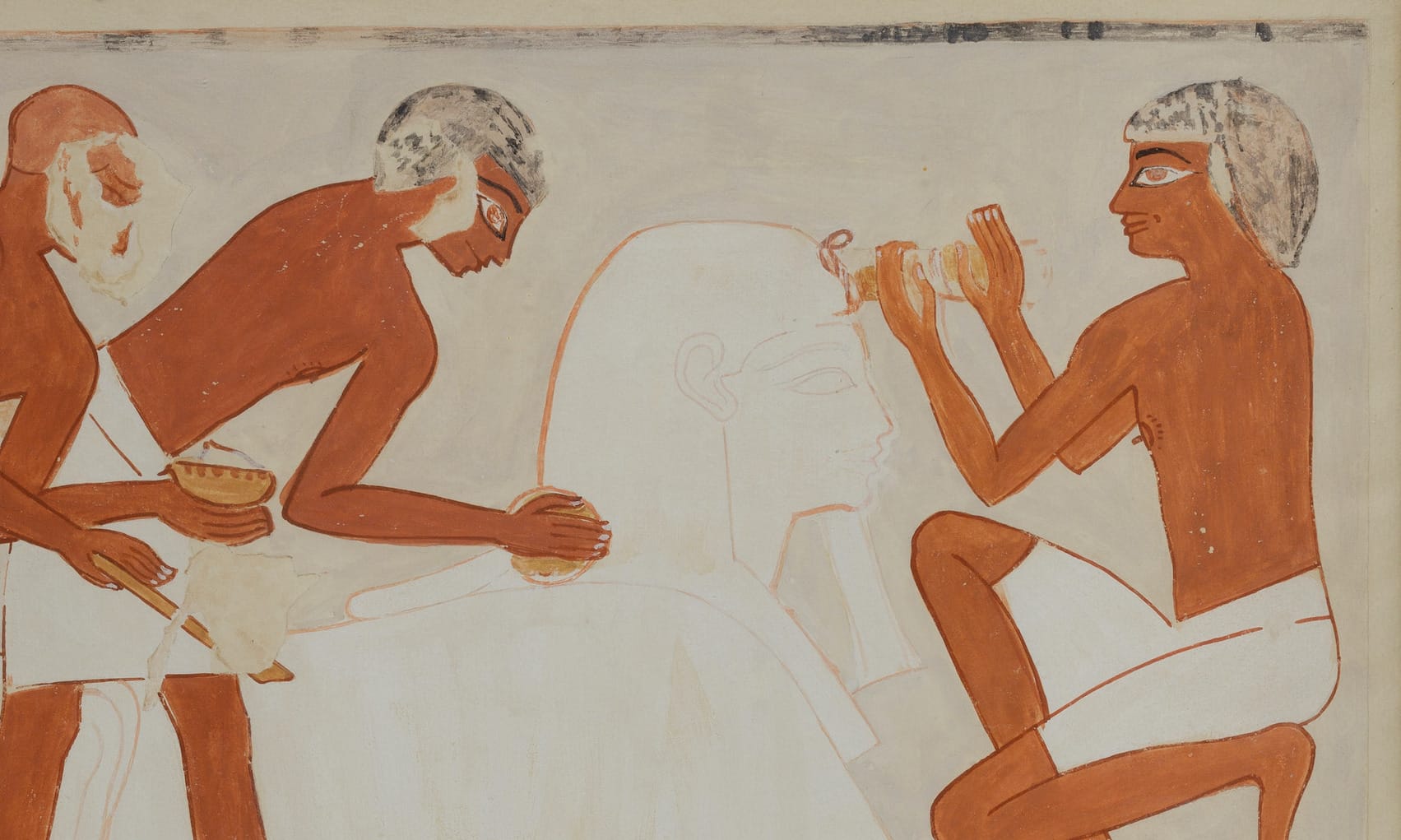
Most literature about Ancient Egypt, and popular culture for that matter, has favored a glamorous depiction of its treasures and dynastic political power struggles. The artisans and laborers who built the material and visual culture of one of the longest surviving ancient civilizations, however, are often either absent or relegated to the margins.
Made in Ancient Egypt (2025), a fully illustrated catalog for an exhibition of the same name at the University of Cambridge’s Fitzwilliam Museum, fills this gap by scientifically reanalyzing existing and lesser-known objects and works of art, helping us see the “makers” operating under a systemic professional and social hierarchy. The book’s main argument is methodological: that any theory alone cannot account for the characteristics of Ancient Egyptian art and objects because there was no Egyptian theoretical or aesthetic treatise, nor a word for “art” as we define it today. As a result, Ancient Egyptian art is perhaps best understood through the science behind its materials and the skill sets of its artisans. The book ditches the familiar Old Kingdom-New Kingdom chronology in favor of a neat material-based structure, organized by mediums such as clay, stone, and papyri, leading into coffin makers, metalworkers, and woodworkers.
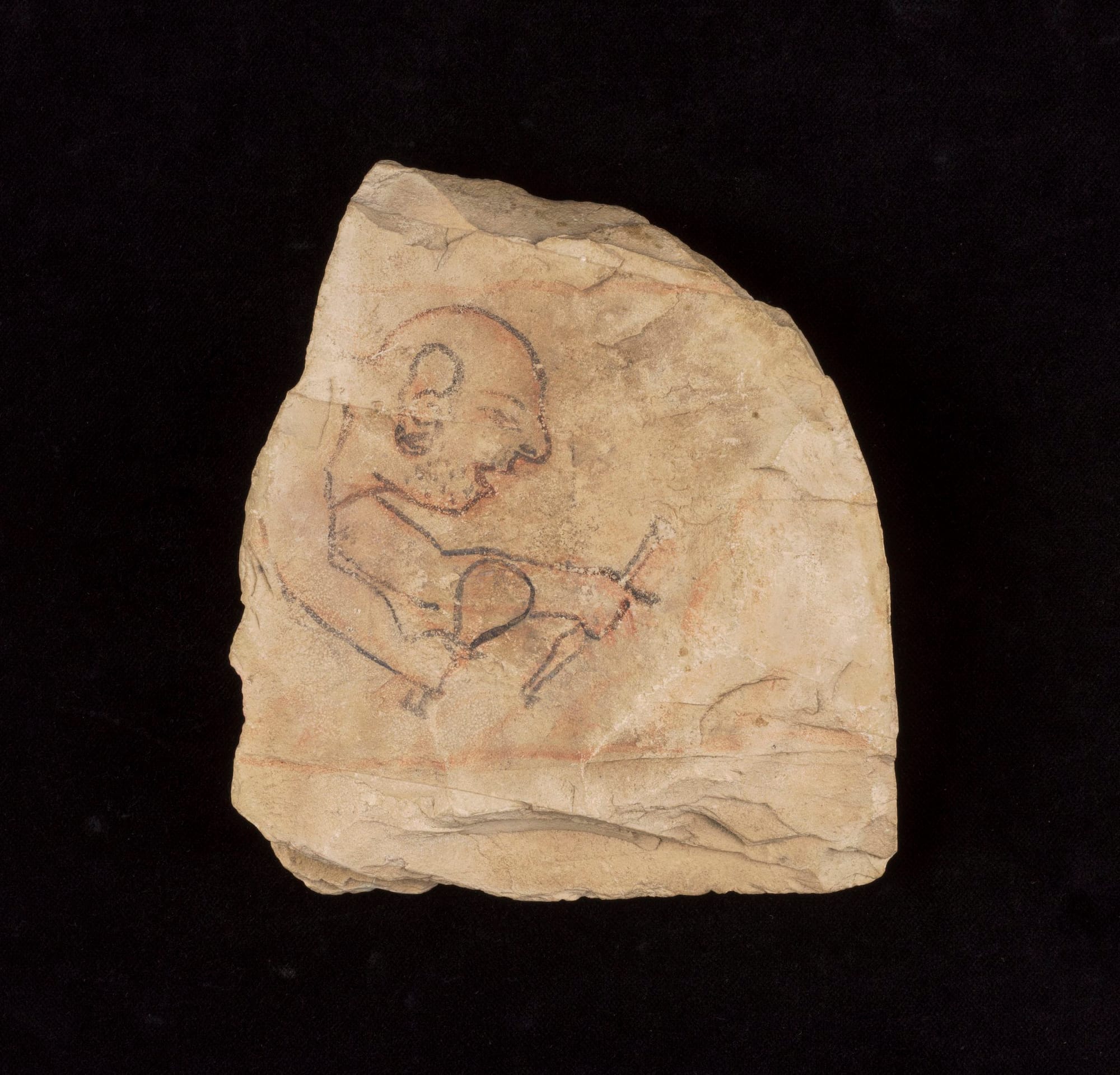
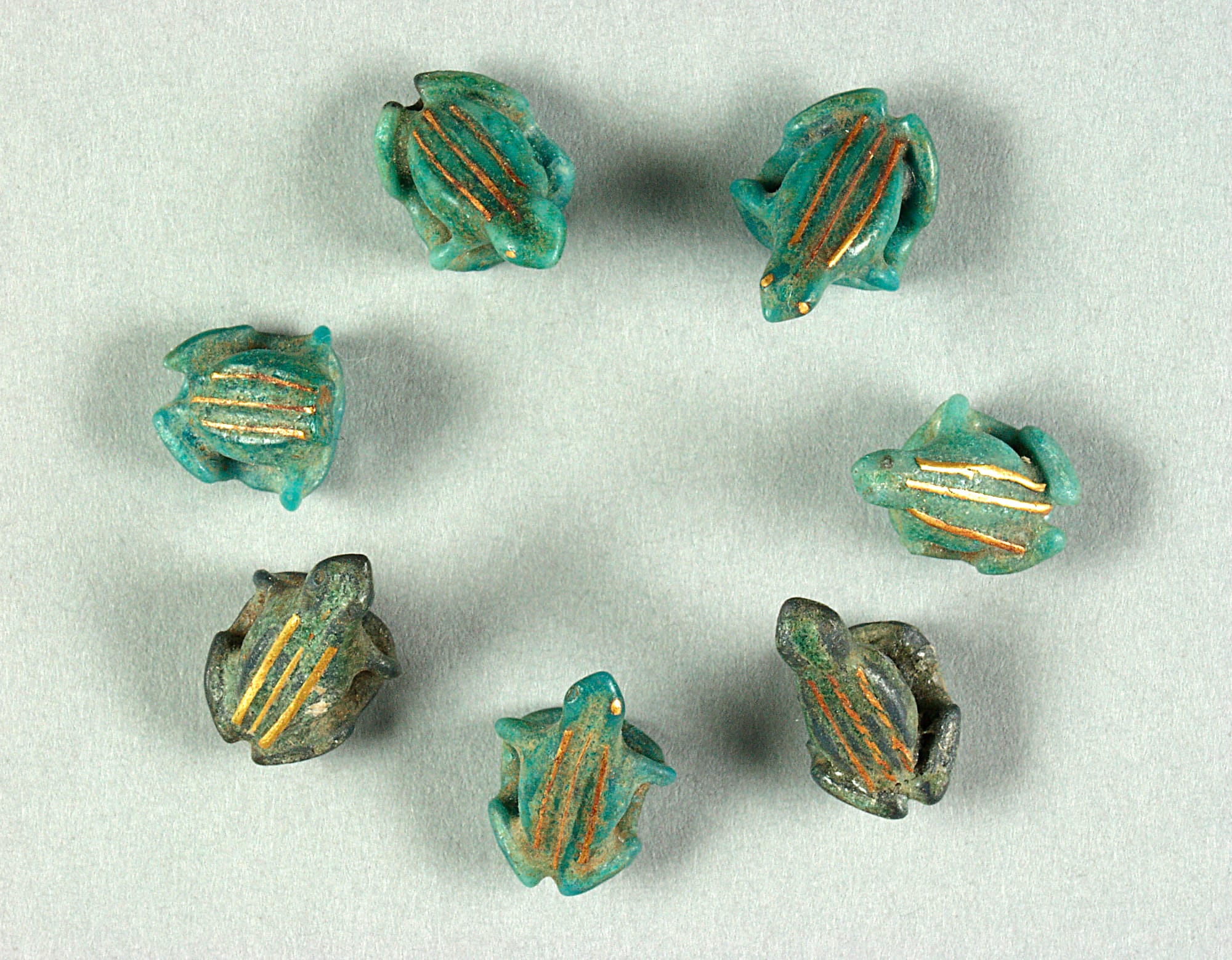
In the book, curator and Egyptologist Helen Strudwick and Exhibition Assistant Thomas Clarke reinterpret these artifacts to reveal how scientific methods can shed light on Egyptian art making. A micro-CT scan reveals the application of gold leaf on a linen cartonnage from 380–30 BCE, produced for the wrappings of mummified bodies. Tech- and record-savvy, Egyptian artisans used measurable systems such as faience firing and temperature controls, tool constructions, and inventories of materials. Elsewhere, studies including scans of Ancient Egyptian carpentry led by independent researcher Geoffrey Killen expose how a dexterous carpenter created tight joints in a wooden mummy coffin in 680 BCE.