A European favorite, the diesel engine is gradually fading away. Through the first quarter of 2026, diesels accounted for just 6.6% of new car registrations across Europe, according to data published by the European Automobile Manufacturers’ Association (ACEA). At their peak in the mid-2010s, diesel-powered vehicles accounted for more than 50% of the market.
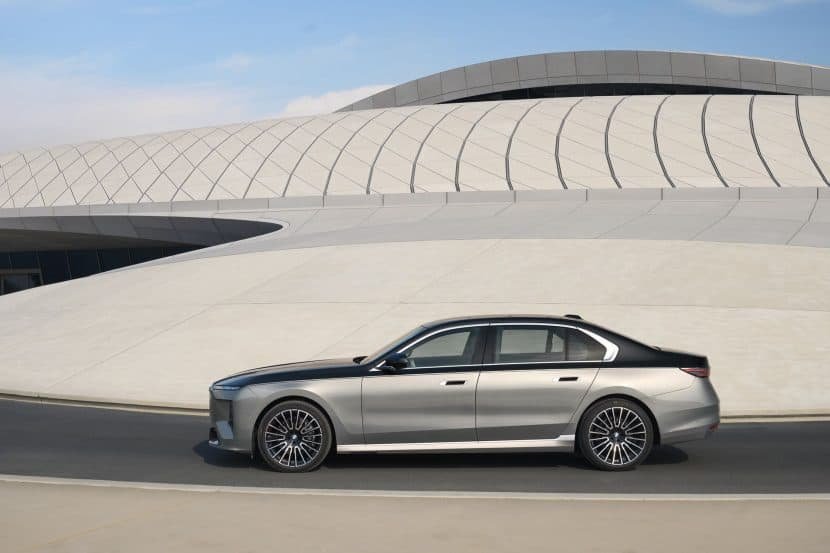
But BMW isn’t giving up on the oil-burner just yet. The Munich-based luxury automaker continues to embrace its “Power of Choice” slogan. From the 1 Series and X1 all the way up to the 7 Series and X7, buyers can still choose a diesel engine. Case in point: the recently updated flagship sedan retains its “B57” powertrain.
With the Life Cycle Impulse, BMW further refined the 3.0-liter turbodiesel engine. Engineers extracted an additional 13 horsepower, raising total output to 308 hp. It’s worth noting that the figure also includes the mild-hybrid system, with an electric motor integrated into the eight-speed automatic transmission. Torque remains unchanged at 670 Nm (494 lb-ft).

Let’s be honest: drivers are unlikely to notice the extra power. Nevertheless, BMW says the gain cuts a tenth of a second from the sprint time. The new 740d reaches 62 mph (100 km/h) in 5.7 seconds, down from 5.8. Flat out, the only diesel-powered 7 Series variant remains electronically limited to 155 mph (250 km/h).
Diesel engines are all about efficiency, and the 740d does not disappoint. BMW quotes combined fuel consumption as low as 6.5 liters/100 km, a remarkable figure given the vehicle’s weight. That works out to approximately 36.1 miles per gallon, not that America is getting a diesel 7 Series anyway. The inline-six diesel is now Euro 7-compliant and runs more quietly than before.

As before, the 740d won’t be exclusive to Europe. BMW intends to sell the diesel-powered 7 Series in other markets as well. Offered exclusively with xDrive, the B57 engine will be available to order on the Old Continent from November. It will sit alongside the 740 xDrive as the first G70 variant sold in Europe with a gasoline-only powertrain.
By bringing its six-cylinder diesel into Euro 7 compliance, BMW has secured its future. That suggests the next generation of large SUVs will likely use the B57 as well. Consequently, expect the X5 G65, debuting this summer, to offer a diesel engine. Likewise, the X7 G67 should follow in 2027. On a related note, next year’s 5 Series facelift will likely switch to the latest iteration of the 3.0-liter diesel engine.
First published by https://www.bmwblog.com