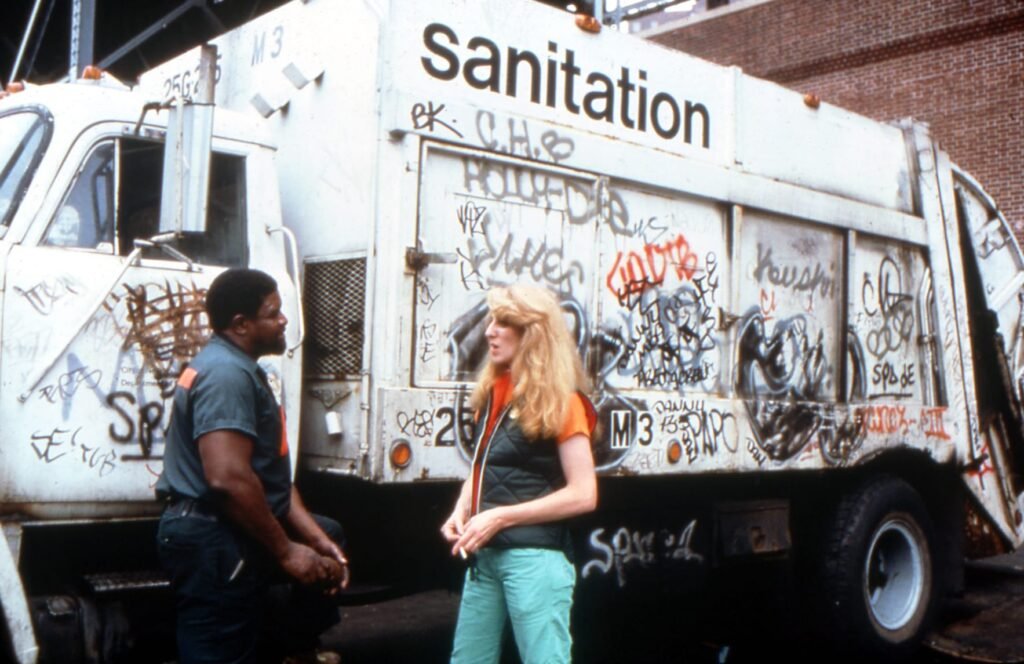
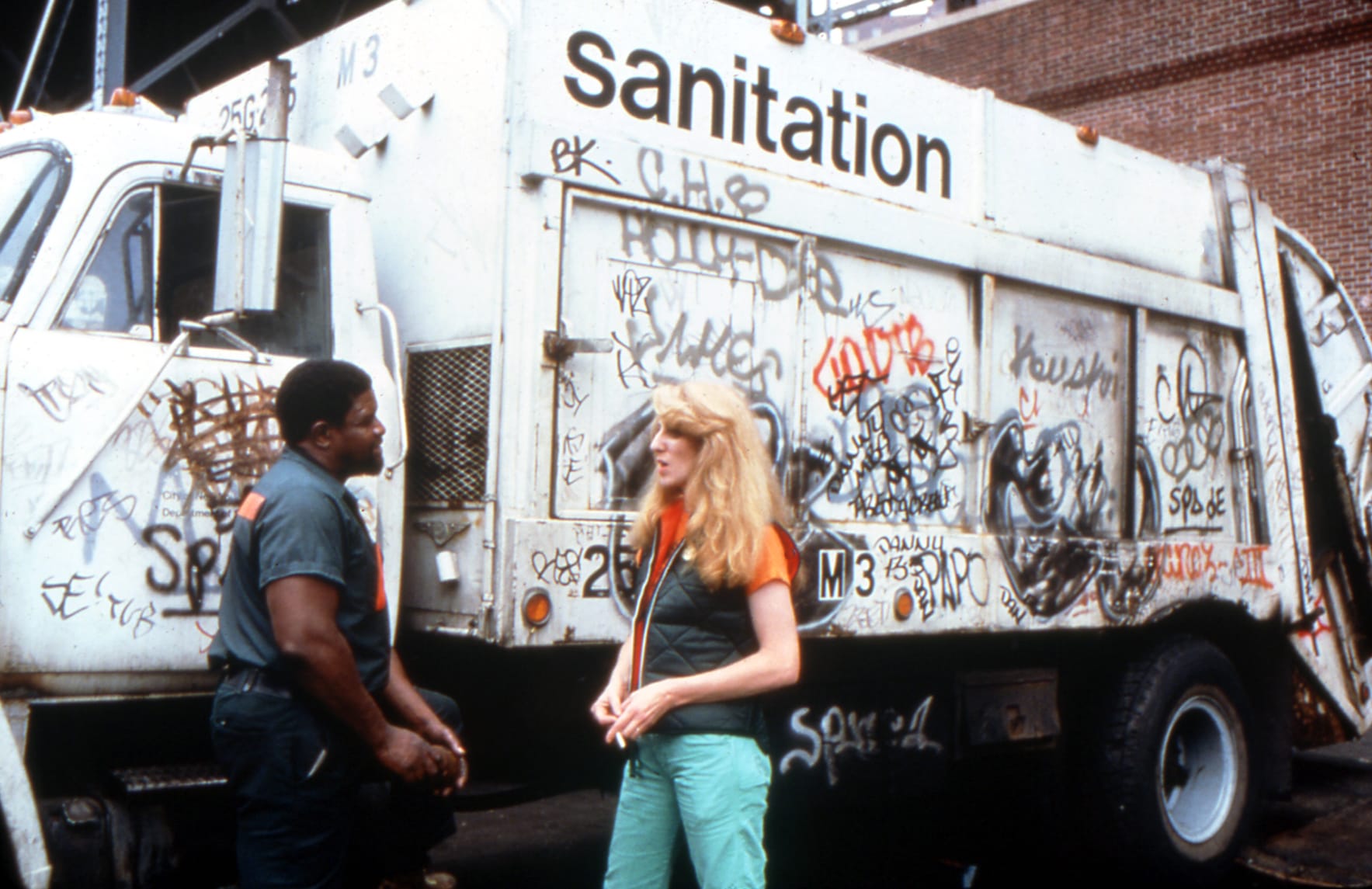
It feels appropriate that Mierle Laderman Ukeles operated mostly beneath the notice of the general public for decades. As a “maintenance artist,” she focused on marginal labor, such as the upkeep of public spaces or the unpaid maternal and feminine labor that for a long time wasn’t thought of as proper work, and sometimes still isn’t. In 2017, 40 years after she became artist-in-residence at the New York City Department of Sanitation, Ukeles received her first career retrospective at the Queens Museum, which brought her wider attention. Now, the documentary Maintenance Artist (2025) has hit theaters, offering an easily digestible biography to spread the word about Ukeles.
It’s opportune that the film releases so close to the Duchamp exhibition at MoMA, since his influence on Ukeles is one of the first things she references — she says he gave her “the gift of naming and renaming,” or recognizing how art could be made by recontextualizing the familiar. But, as she also points out, he and her other male heroes like Mark Rothko and Jackson Pollock “didn’t change diapers.” Indeed, it was during her struggle to continue working as an artist after having a baby that she drafted her 1969 “CARE” manifesto, in which she announced herself a maintenance artist. (There’s a funny bit in the film wherein Ukeles recounts Lucy Lippard calling her and asking, “Are you real, or did Jack Burnham make you up?” after Burnham published excerpts of the manifesto in Artforum.)
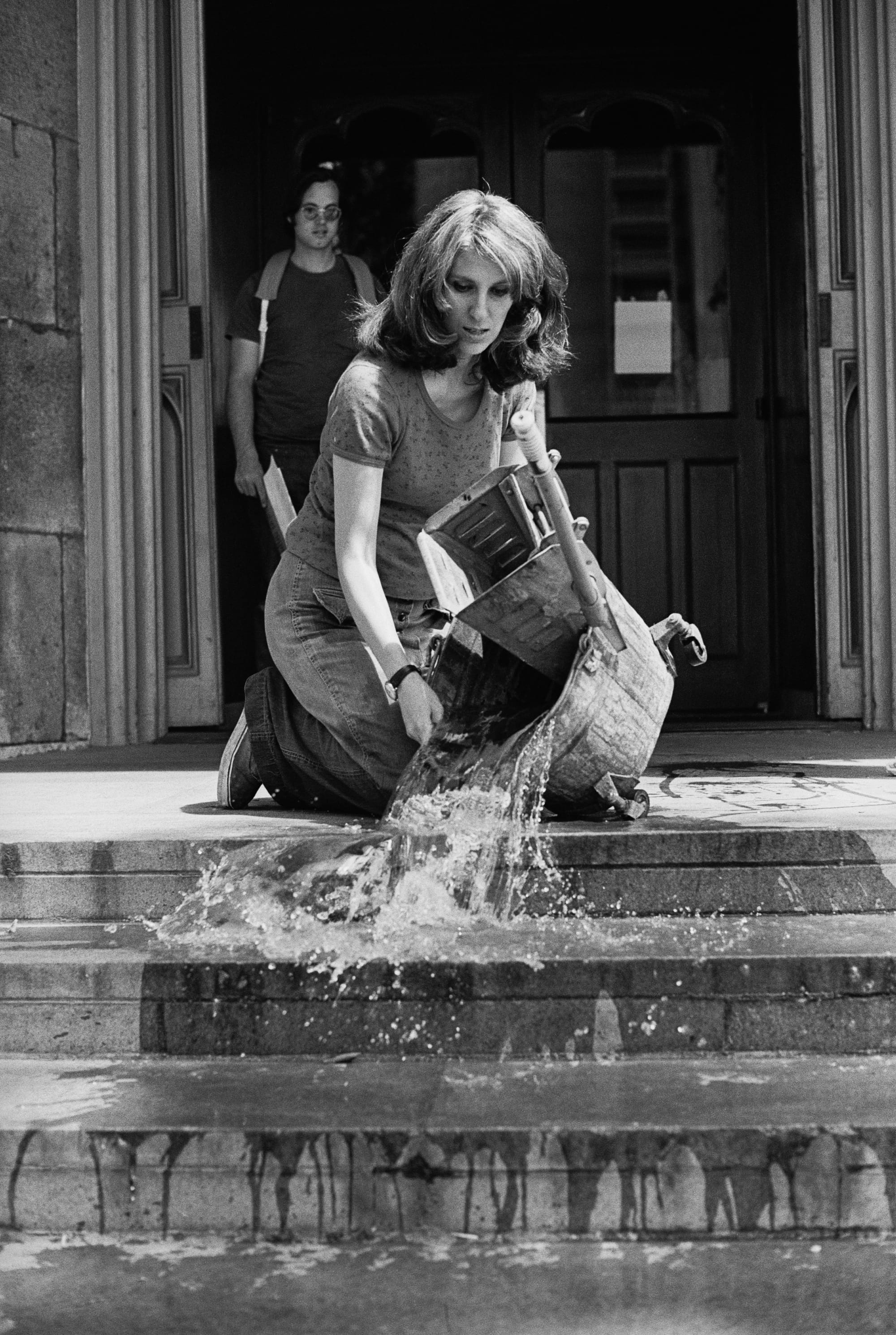
That emphasis on gendered expectations for artists recurs throughout Ukeles’s interviews. At one point, she bluntly tells director Toby Perl Freilich, “If I was a male artist, I wouldn’t be making maintenance art.” A significant part of her efforts go into recognizing the discounted labor in all fields. She talks of how Pop art and Minimalism “were infected by all sorts of strains of maintenance,” but did not “acknowledge that whatsoever.” As an example, she cites Richard Serra’s monumental sculptures. They “came out of worlds of work — steel makers and shipbuilders. But who are the people? Who does this? There is only the unique artist. That’s what bugged me.”
Performance artists tend to make for crowd-pleasing documentary subjects; there’s a reason the Marina Abramovic film did so well. Solely reading about a performance piece can make your eyes glaze over. It’s a form meant to be experienced, and if you can’t witness it in person, then a recording can work in a pinch. The documentary mode jells particularly well with Ukeles’s art because she’s already investigating the minutiae of labor, so an added layer of her explaining the logistics of each piece enhances it.
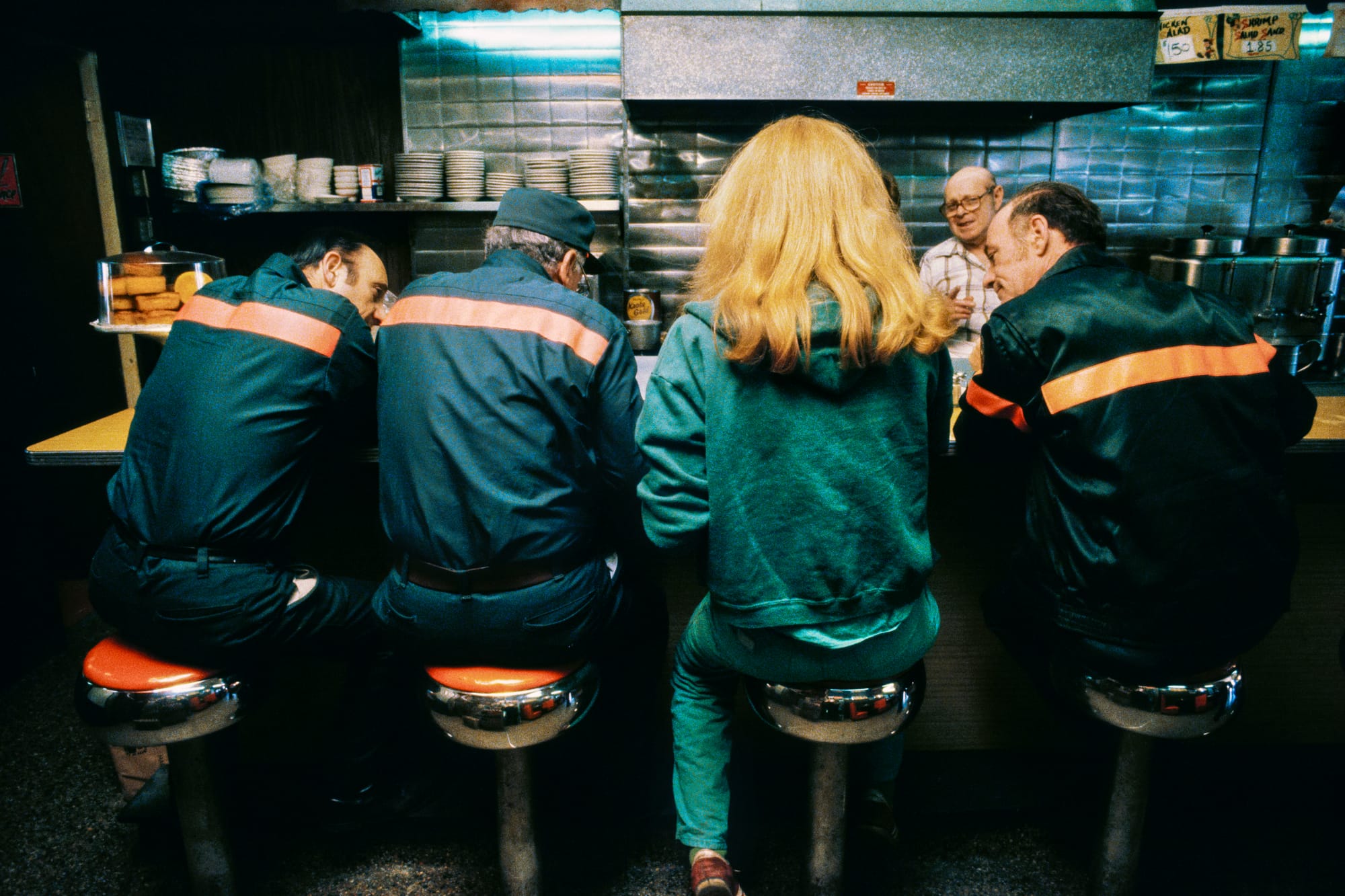
Take “I Make Maintenance Art One Hour Every Day” (1976), an enormous mosaic of 700 Polaroid photos taken of maintenance workers at a Financial District skyscraper. As Ukeles recounts, the Polaroids are more than an aesthetic decision — to gain the trust of the workers and reassure them that she wasn’t a spy from either union or management, she took pictures via a method that would leave no secret negatives. Such efforts translate into a camaraderie that is evident across both the archival and contemporary footage, in which she and myriad municipal workers address each other on a first-name basis with an easy cordiality.
While most artist documentaries glorify individuals, Maintenance Artist typically portrays Ukeles as just one actor within a broader community. That said, the film almost exclusively focuses on Ukeles’s work in New York City, sidestepping that she lives partly in Jerusalem and is active in the art community there, teaching at the Bezalel Academy of Art and Design. (She was also a signatory of a 2023 open letter criticizing the art world for not sufficiently condemning the October 7 attack.) The documentary might help more of us consider and appreciate the maintenance communities both in the art world and in our everyday lives, and what else still goes unnoticed or under-recognized.
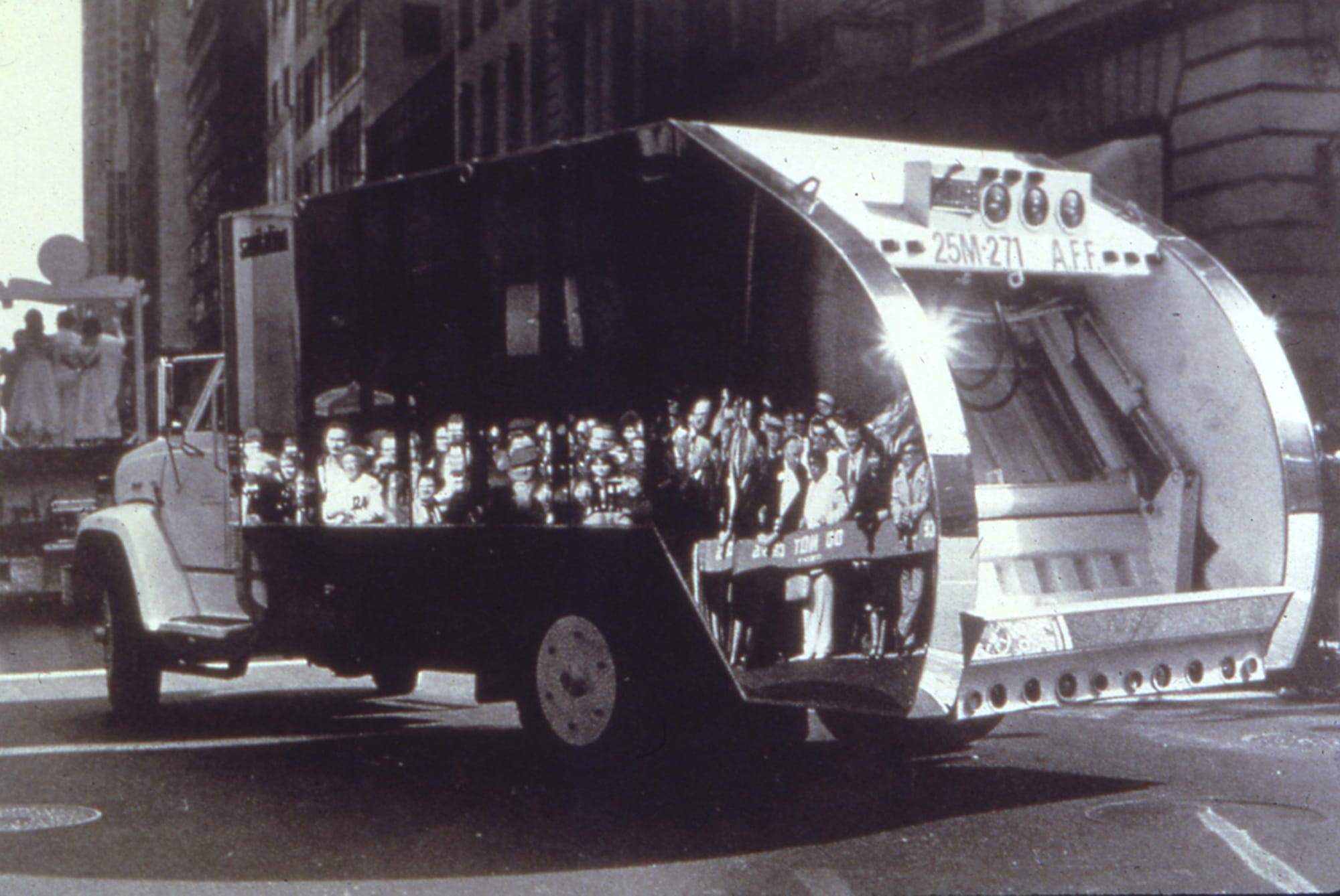
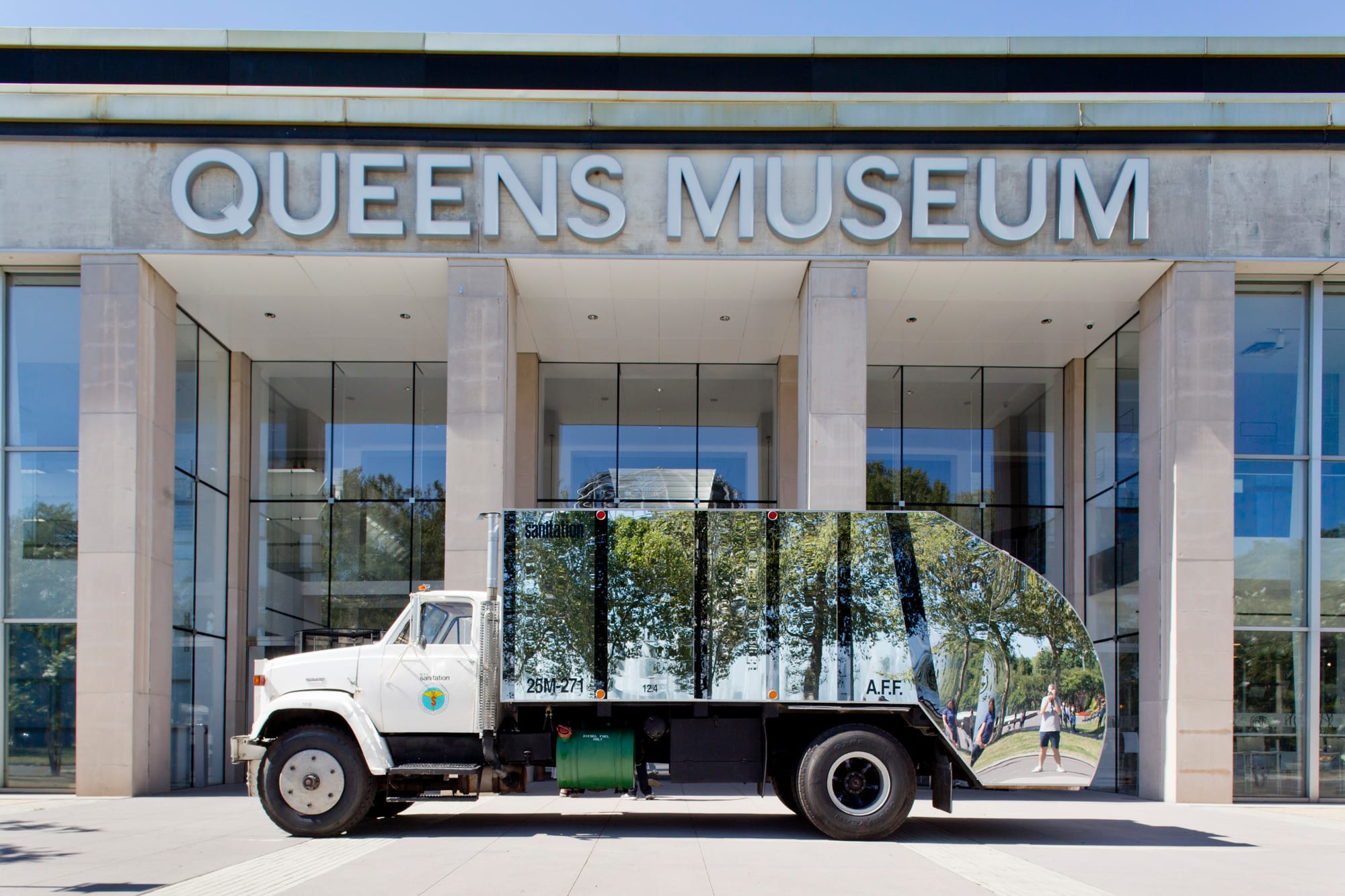
Maintenance Artist (2025), directed by Toby Perl Freilich, is screening in venues across the United States through October 22.