The BMW M3 turns 40 this year. Four decades of the car that redefined what a sports sedan could be — and in that time, six generations, a handful of body styles, engines ranging from inline-fours to V8s to turbocharged straight-sixes, and enough debate to fill every BMW enthusiast forum on the internet several times over. So we picked our three favorites. Not the three most important. Not the three most historically significant. Our three favorites — the ones we’d drive today if someone handed us the keys, and the ones that still make us stop scrolling when they pop up on a used car listing.
Here’s the thing: we’re not putting the E30 on this list. Not because it doesn’t deserve to be — of course it does — but because saying the E30 M3 is your favorite BMW M3 is a bit like saying your favorite Beatles album is Abbey Road. You’re probably right, and it’s almost certainly the correct answer, but it’s also the safe one. The E30 set the template: lightweight, perfectly balanced, naturally aspirated, rear-wheel drive, driver-focused to the point of being uncompromising. The motorsport homologation car that became a road car legend. It’s perfect, and you already know it.
So let’s talk about the three we actually argue about.
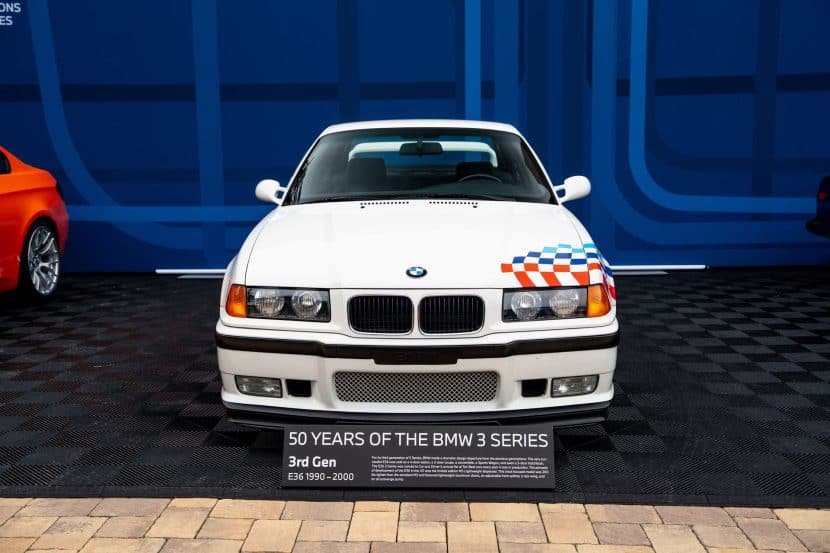
E36 M3 (1992–1999): The One That Deserves More Credit
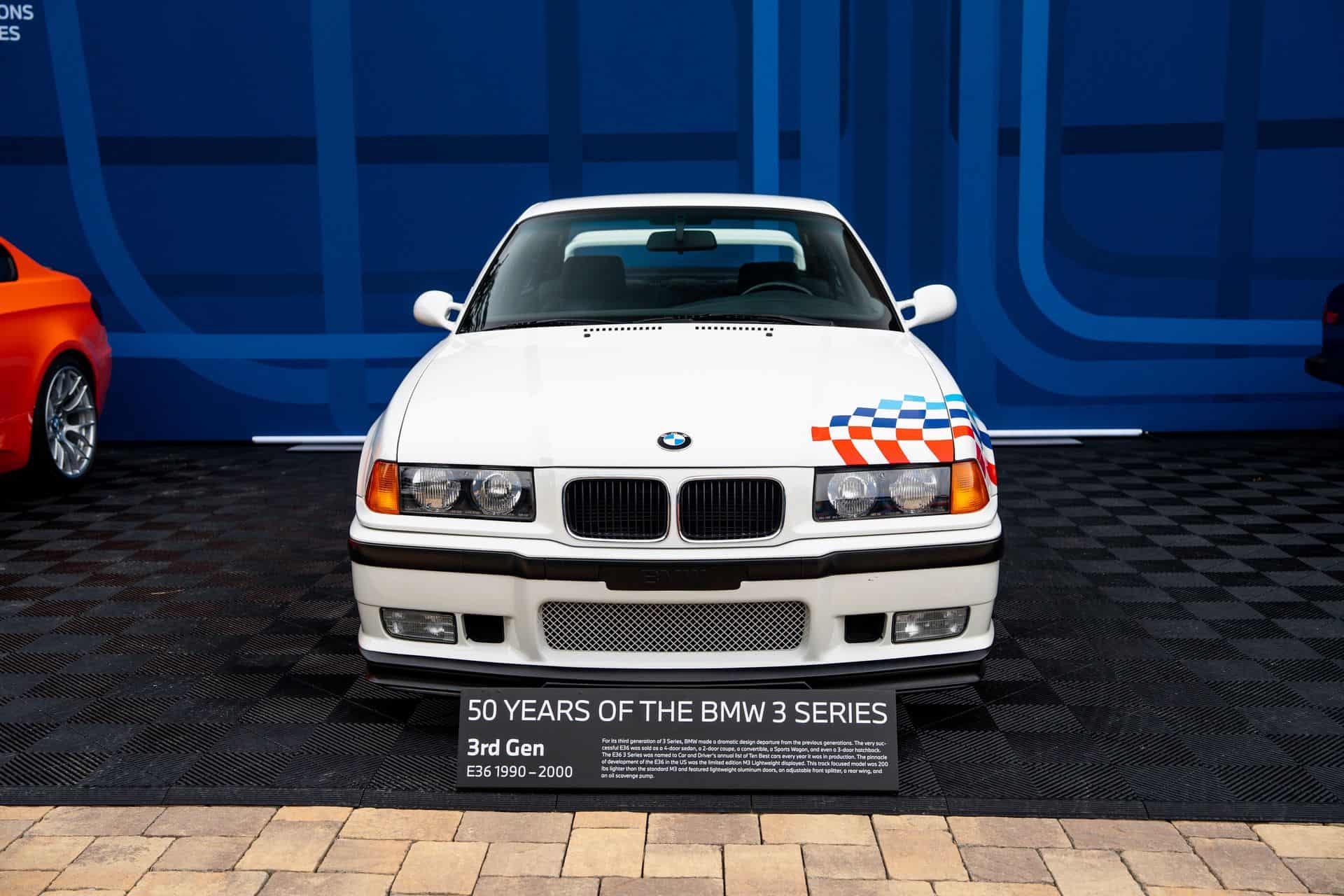
Here’s the unpopular take: the E36 M3 might be better than the E30 for most people who actually drive their car. The E36 gets dismissed constantly, usually by people who either never drove one or drove one next to a mint E30 and let nostalgia do the talking. Yes, it’s heavier than its predecessor. Yes, the American market got the weaker S50US engine rather than the European S50B32.
And yes, if you’re in the US and you got the S50US, you missed out — more than you probably realize. The gap between the American spec and the Euro S50 isn’t just a horsepower number. The European engine ran individual throttle bodies, which gave it a throttle response and intake sound the US version simply couldn’t match. Braking was better too, thanks to floating discs.
The clutch travel was shorter, gear changes were crisper, and the steering components were different enough to affect how the car handled. Then there’s the ECU and the five-bar fuel system, which made the Euro engine faster to respond and easier to tune. And for anyone who worked on these cars, INPA and DIS compatibility on the Euro spec made diagnostics and maintenance a completely different experience.
Those are real criticisms. But spend a week in an E36 M3 and you start to understand what BMW got right, even in the US-spec.
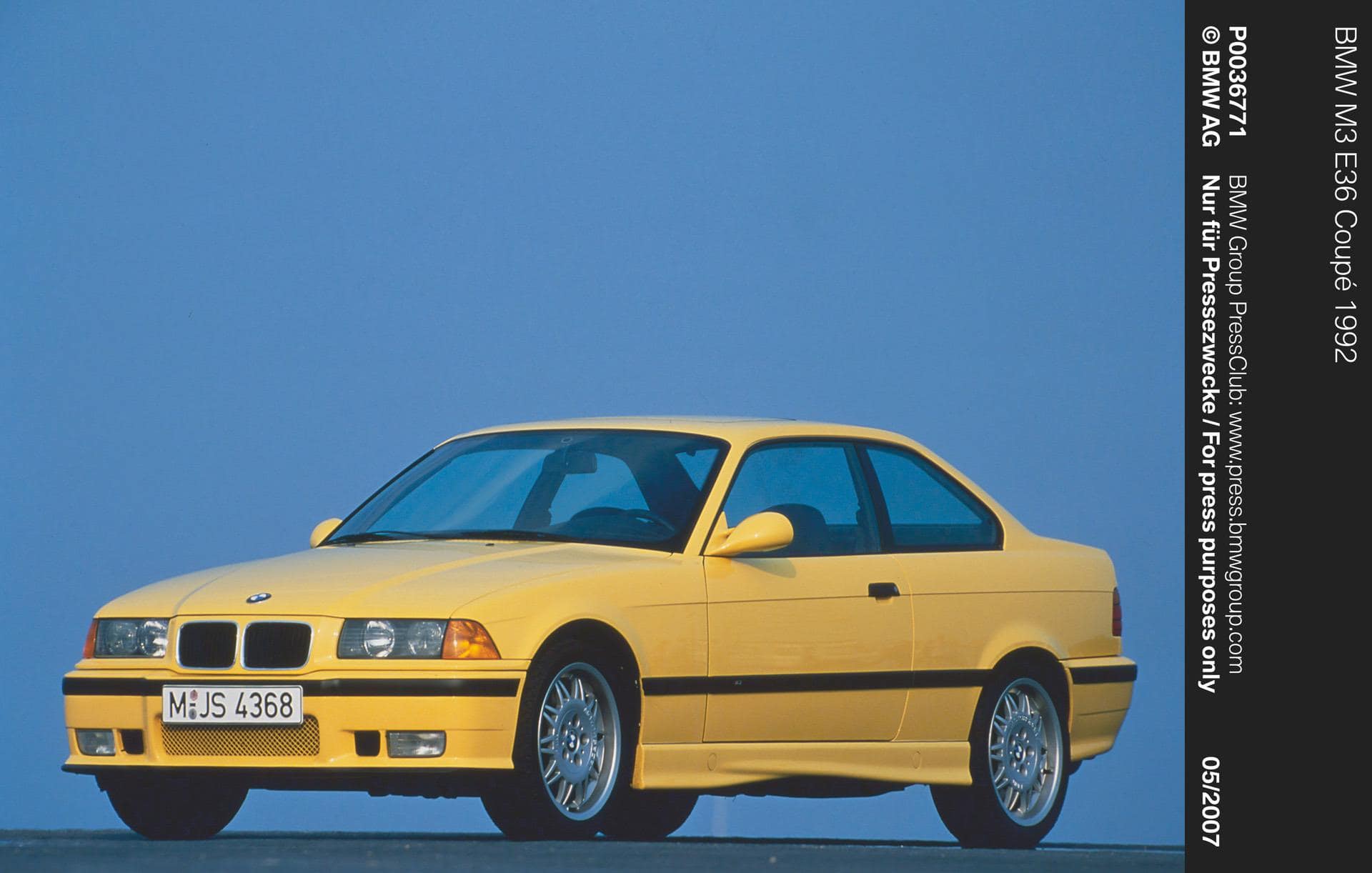
The car is balanced in a way that’s deeply satisfying rather than nervously twitchy. The S50 engine — 3.0 liters, six cylinders, naturally aspirated — pulls cleanly and rewards you for working it. The chassis communicates everything. And unlike the E30, which demands your full attention and a certain mechanical sympathy, the E36 lets you relax slightly without ever becoming boring. It’s the M3 you could genuinely live with every day, take on a long weekend drive, and still feel like you’ve driven something special when you get there.
It also helped establish what the M3 would become: a proper four-seat sports car rather than a barely-legal track car with license plates. That’s not a concession — it’s what made the M3 relevant for the next three decades.
The E36 is the underdog generation, and it’s been underrated long enough.
E92 M3 (2007–2013): The Last Naturally Aspirated V8, and Nothing Like It Since
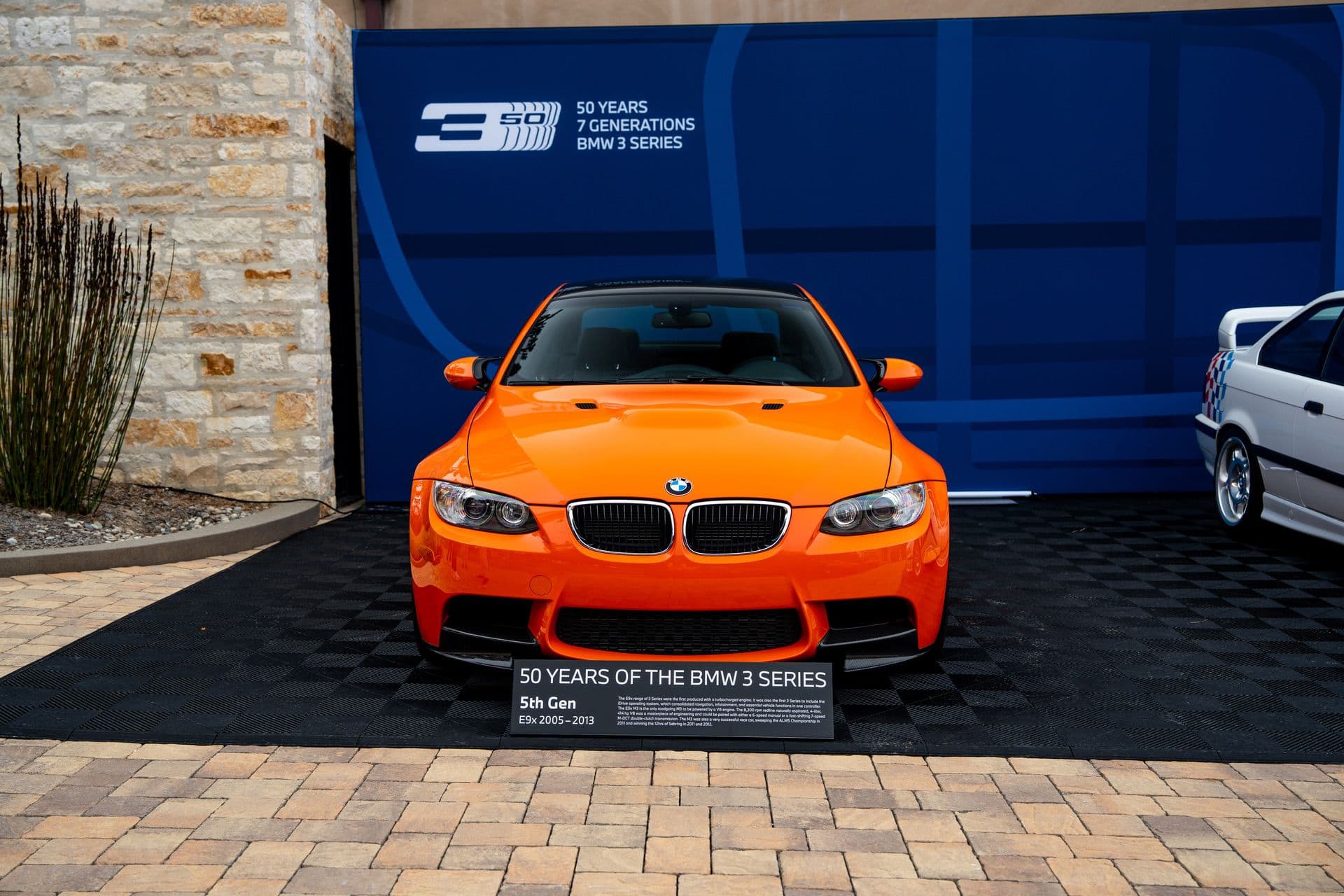
Some things only happen once. The E92 M3 happened to get a 4.0-liter V8. BMW put the S65 engine in the E92, a high-revving naturally aspirated V8 and the result was something that has no successor and no real equivalent in the current lineup. 414 horsepower, redline at 8,400 RPM, and a sound that still gives enthusiasts pause when they hear it on video. It doesn’t sound like a sports car. It sounds like a racing engine that someone was kind enough to make street-legal.
What made it special wasn’t just the power. Naturally aspirated engines have a character that turbocharging, however good it has become, still doesn’t fully replicate. The throttle response is immediate in a way that feels almost telepathic. The power builds linearly through the rev range, so you’re always chasing that next 1,000 RPM. There’s no surge, no lag, no waiting — just the engine doing exactly what you ask, exactly when you ask it.
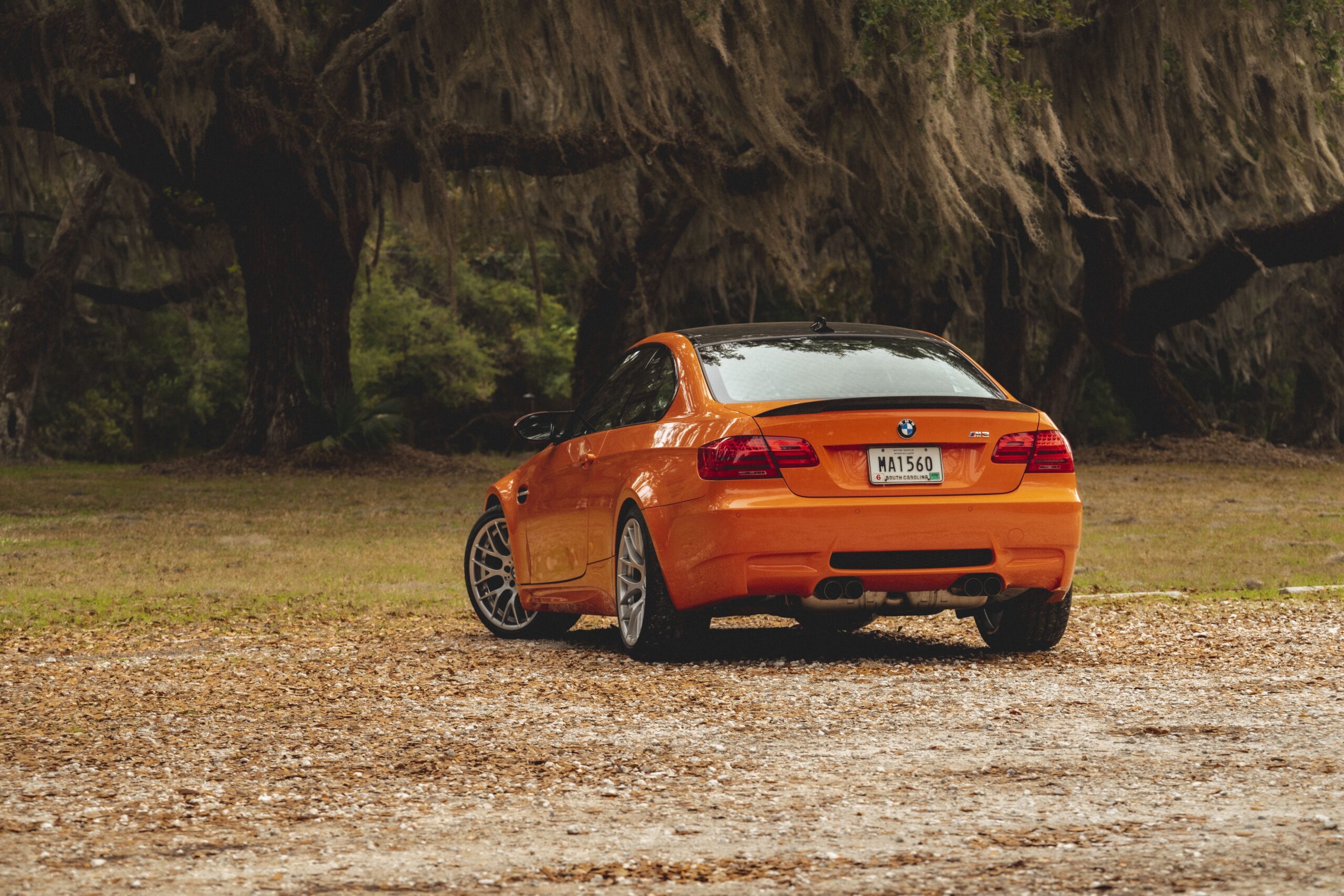
The E92 M3 also came in a coupe body that still looks right. Clean, muscular without being aggressive, with proportions that BMW hasn’t quite matched since.
It was the first and last M3 with a V8. BMW moved to a turbocharged inline-six for the F80, and they’ve never looked back. For a lot of people, that was the moment the M3 stopped being one thing and became something slightly different — more powerful, but different. The E92 is the line in the sand, which is exactly why it belongs on this list.
F80 M3 (2014–2018): Especially the CS
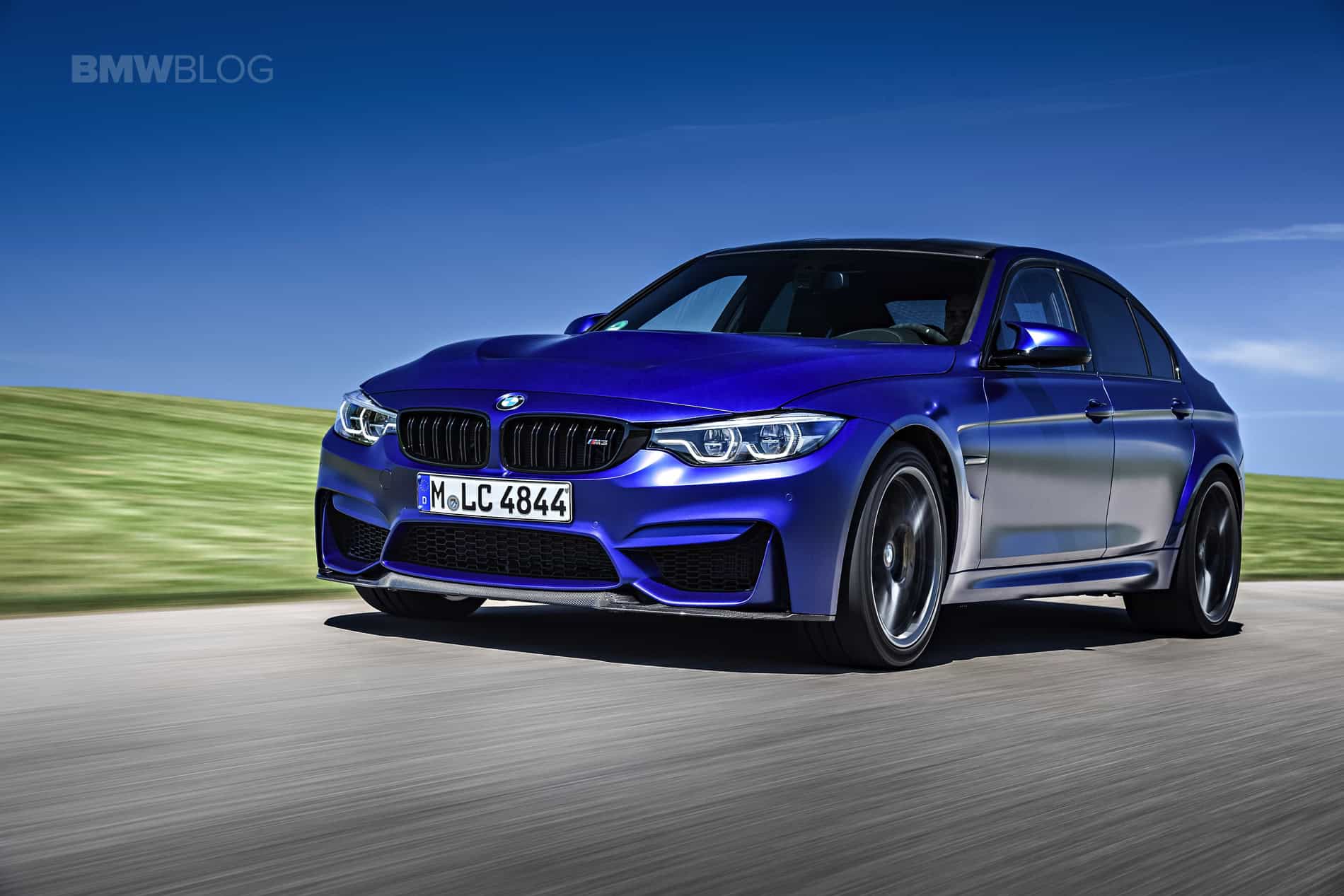
The F80 was controversial when it launched. Turbocharged, heavier than the E92, a twin-scroll inline-six where the V8 used to be. A lot of people wrote it off before they drove it.
Those people were wrong.
The S55 engine in the F80 produces 431 horsepower in standard tune, 444 in Competition spec, but the number that changed everything was the torque: 406 lb-ft, available low in the rev range in a way no naturally aspirated M3 ever could manage. On a public road, in real driving conditions, the F80 M3 Competition is faster than almost anything you’d encounter and more fun to drive than the spec sheet suggests. The turbo response is sharp enough that lag is rarely an issue, and the low-end punch makes the car feel alive in situations where the E92 would have needed more commitment and more revs.
The sound is different — not better than the V8, but not the disappointment people expected. The S55 at full song has its own character, aggressive and racing-like, in a way that suits the car’s attitude.
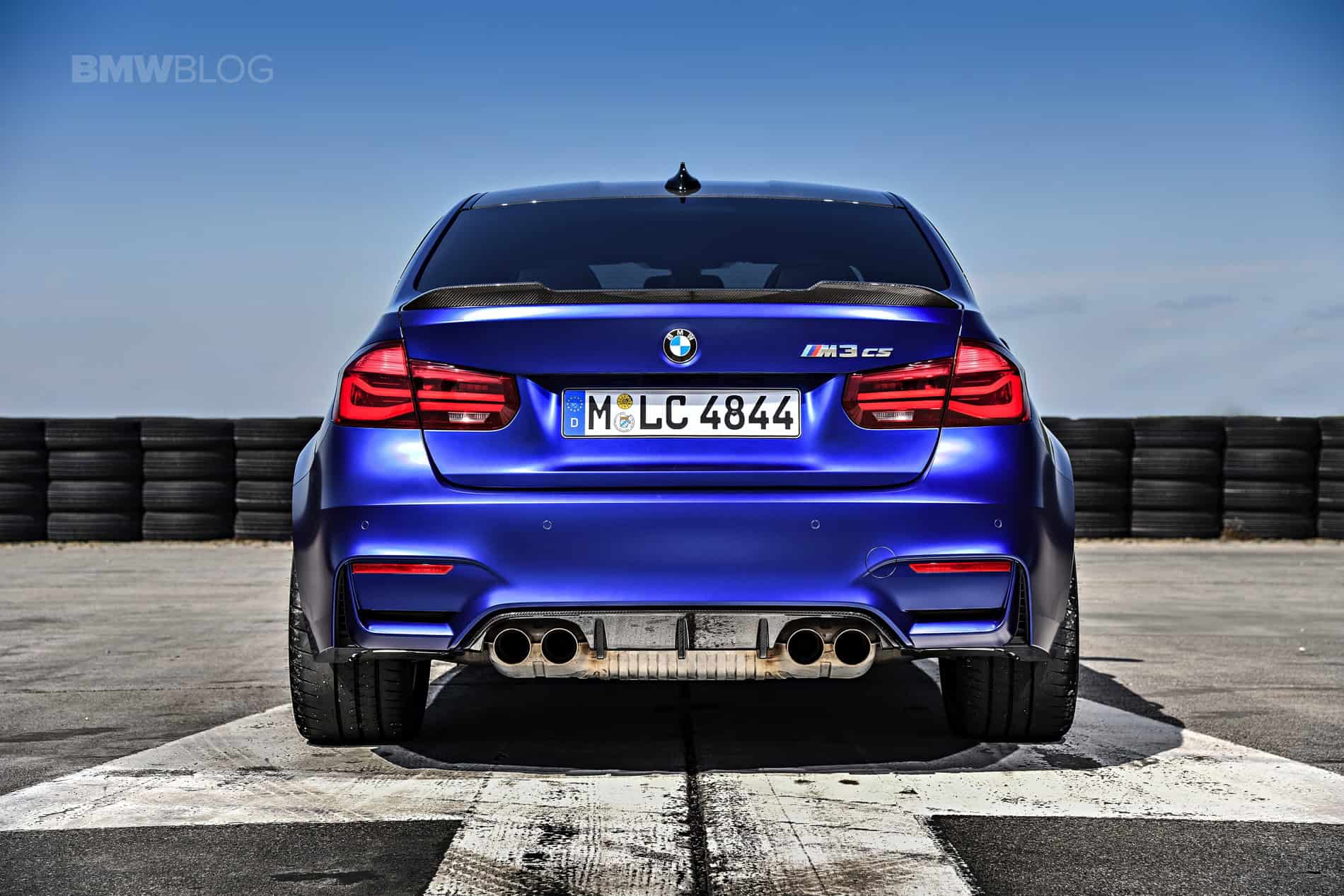
The design of the F80 deserves more credit than it gets. The wider fenders, the muscular rear haunches, the proportions that manage to look aggressive and composed at the same time — it’s a proper-looking M car, and with a few years of distance, it holds up better than the polarizing styling choices BMW has made more recently.
But the M3 CS is the version that turned the F80 into something genuinely special. BMW reduced weight aggressively — carbon fiber roof, lighter wheels, stripped-out interior options — and pushed power to 453 horsepower. The result was a car that Car and Driver, Road & Track, and virtually every publication that drove it called one of the best M cars ever built. Not just best M3s. Best M cars. The chassis balance is near-perfect, the steering is communicative, and the combination of available power and mechanical grip gives you a car that rewards the driver at every level of commitment.
The M3 CS is the kind of car that makes you reconsider everything you thought you knew about turbocharged performance cars. It’s not a concession to turbocharging — it’s proof that turbocharging, done properly, can produce something extraordinary.
What’s Your Favorite BMW M3 Generation?
Those are our three. The underrated E36, the irreplaceable E92 V8, and the F80 CS that proved the turbocharged era could produce a genuine M3 legend.
Now it’s your turn. Forty years of the M3 means a lot of generations, a lot of opinions, and a lot of people with strong feelings about which one got it right. Which M3 generation is your favorite, and why? Let us know in the comments.
First published by https://www.bmwblog.com